

Surge in Housing Construction: Fayetteville’s Growth Trends
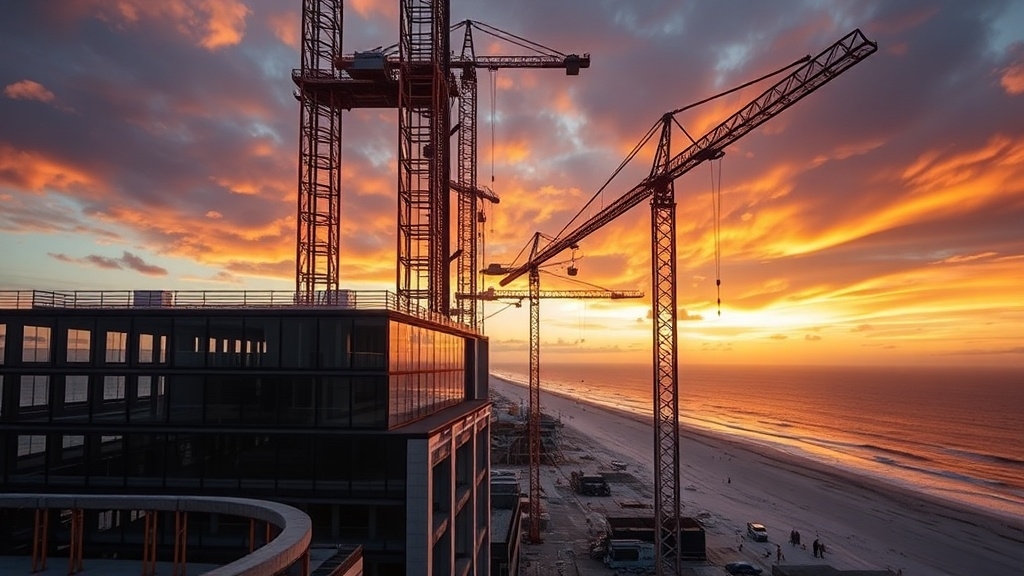
Fayetteville is experiencing a formidable expansion phase, with a notable surge in housing construction.
This development is a direct response to heightened population growth driven by factors like record-breaking admissions at the University of Arkansas.
The increased number of residents has intensified housing demand.
Such dynamics highlight the complexity of population growth intertwined with housing affordability concerns.
From 2021 to 2024, the number of available homes has more than tripled, aiming to alleviate housing access issues.
Despite previous supply chain disruptions, new builds are now meeting current demands.
This is evidenced by a competitive market where newly constructed homes sell at or above asking prices.
Local government efforts, including significant rezoning initiatives, are also in place.
These measures support the necessary housing developments that are crucial for a balanced market.
Expanding Rental Market: Opportunities and Challenges
Fayetteville’s rental market is undergoing a significant transformation. Opportunities and challenges are actively shaping its future.
Market stability in Fayetteville is strong, driven by military demand and moderate rent growth. Average rents range from $1,087 to $1,450. Affordability is a key feature as rents are 34% below the national average. Renters prefer properties near military installations. With over 29 years of experience in property management within the market, the region’s insights and expertise allow investors to capitalize on lucrative opportunities. In comparison to other regions experiencing rent surges, Fayetteville’s rental supply remains relatively stable, despite nationwide challenges. Amenities like pet-friendly options and flexible leases are popular. There’s a rising demand for two-bedroom units and HOA-managed communities.
However, low vacancy rates and increased investment interest may worsen the rental crunch. This situation presents challenges for property investors. Balancing stable returns with market complexities is crucial for investors. They must navigate these dynamics carefully.
Economic Drivers Behind Fayetteville’s Housing Boom
Unprecedented momentum propels Fayetteville’s housing market, driven by a confluence of compelling economic forces.
Federal Reserve policies considerably shape market dynamics. These impacts on mortgage rates and housing affordability are significant.
Fayetteville benefits from North Carolina’s below-average cost of living, which attracts residents. This strengthens housing demand.
Employment trends reveal a robust job market. This underpins economic stability and nurtures further real estate interest.
Demographic shifts also play a vital role. The steady influx of military personnel continually sustains housing needs.
Additionally, Fayetteville appeals to young professionals and retirees. This appeal is due to job opportunities and affordability, broadening its demographic surroundings.
Rental availability is dwindling as vacancy rates have dropped below 5%, which indicates increased demand for housing.
A family-friendly environment and diverse community amplify these effects.
Together, these factors reinforce Fayetteville’s housing surge. They highlight its evolving economic terrain.
Policy Innovations Fueling Housing Diversity and Supply
In Fayetteville, innovative housing policies are reshaping the terrain. This marks a pivotal chapter in real estate.
Central to this transformation is a robust $2 million initiative. It focuses on affordable and workforce housing under 2025 legislative priorities.
Increased community engagement is key. It’s facilitated through regional collaboration and open communication channels between city officials and state lawmakers.
Rising rent prices across the U.S. prompt younger generations to adopt innovative housing solutions, reflecting a nationwide trend towards affordability.
This encourages a shared vision of economic growth. It also enhances the quality of life in the community.
The city aligns its legislative agenda with Statewide goals. It adopts the UNC’s “Our State, Our Homes” program.
By collaborating with Cumberland and neighboring counties, Fayetteville taps into expertise. Resource sharing ensures thorough housing policy strategies.
Community-driven approaches strive to mitigate housing shortages. They also aim to protect renters and prevent displacement.
This marks a shift towards equitable, sustainable development. The efforts aim to make real estate more inclusive.
Investment Insights: Navigating Fayetteville’s Real Estate Landscape
Policy innovations are setting the stage for Fayetteville’s evolving real estate scene. This creates emerging investment insights within this lucrative environment.
Surging rental demand highlights vital strategies amidst these dynamic conditions. Fayetteville’s military presence remains a cornerstone, ensuring consistent rental needs.
This characteristic, combined with year-over-year home price increases of 6.7%, indicates robust market growth. Investors are drawn to affordable areas like Arran Lakes West, offering value purchases with appreciation potential.
The two-bedroom segment captures investor attention, representing 39% of the rental market. Engaging in short-term rentals further diversifies portfolios and capitalizes on steady visitor patterns.
Incorporating sustainable landscaping practices into property developments in Fayetteville can enhance curb appeal and reduce maintenance costs, appealing to environmentally-conscious renters.
These strategies, alongside collaboration with local experts, enhance market intelligence. This optimizes returns within Fayetteville’s rental-centric landscape.
Assessment
Fayetteville’s housing market is growing rapidly, creating a dynamic tension between expansion and limitation.
Construction projects continue to increase. Yet, the rental market remains under pressure, complicating affordability and access.
This boom is driven by economic factors. Innovative policy responses are necessary to balance supply and demand.
Real estate investors must navigate Fayetteville’s quickly evolving landscape with strategic skill and flexibility.
Opportunities are expanding, but challenges persist. Fayetteville’s housing market is a high-stakes area requiring vigilance and foresight.






















4 Responses
Interesting stats but isnt this boom just inflating a housing bubble? Whats the plan when it bursts? Lets talk sustainability, folks.
Interesting read, but arent we ignoring the potential bubble here? All this rapid growth, what about long-term sustainability? #FayettevilleBubble?
The surge in Fayettevilles housing construction might just be inflating a bubble. What about affordable housing? Lets focus more on diversity and supply.
Affordable housing isnt sacrificed for diversity. Overpopulation demands more housing. Its supply and demand.