



The Surge in Condo Conversions
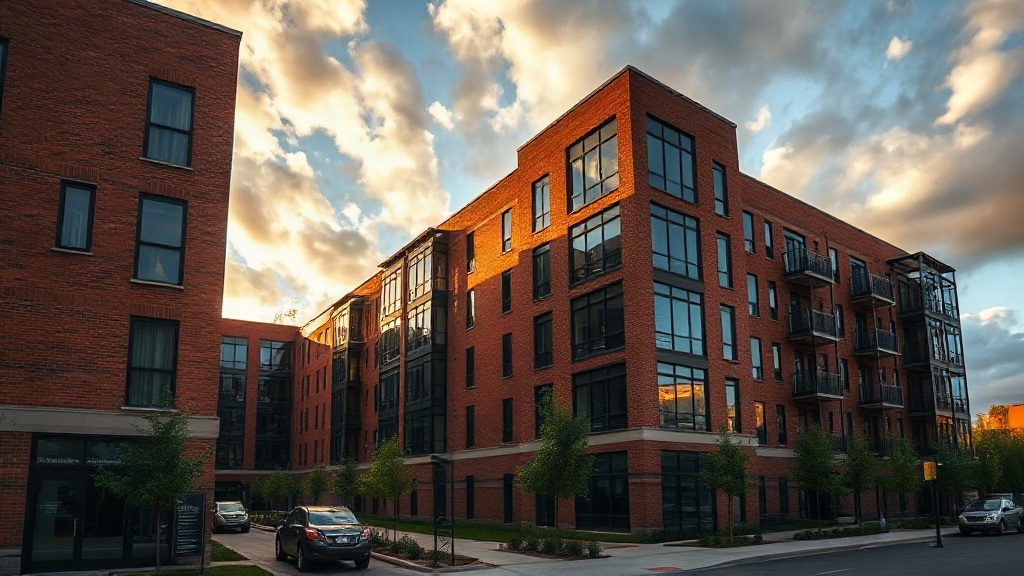
Amidst evolving real estate dynamics, Lynnwood is experiencing a striking wave of condo conversions. Recent data shows a substantial rise in market incentives driving this trend. Condo prices in Snohomish County, specifically Lynnwood, have surged to an average of $589,936 by June 2025. This presents attractive equity growth opportunities for property owners seeking to maximize returns. With a 43.5% appreciation over five years, condos offer an appealing proposition for developers. Buyer preferences highlight an increasing desire for homeownership. As seen in Miami, tight vacancy rates can lead to rising property values in desirable urban areas. The residential resale average price in June 2025 is $844,570, indicating that home prices in general are holding steady over five years. This trend is bolstered by stable median sales prices and active consumer interest. Listings more than doubled in early 2025. This increase is spurred by conversions meeting the appetite for ownership in desirable urban locations. This shift marks a significant change towards owner-occupied units amidst consistent market engagement.
Impact on Lynnwood’s Rental Market
Lynnwood’s rental market is grappling with the challenging effects of widespread condo conversions. The inventory of available rentals has plummeted to around 260 units. This exacerbates renter struggles in a fiercely competitive market. Shrinking availability, coupled with a 6.9% vacancy rate, signals fewer options for those seeking affordable housing. This dynamic particularly affects 1- and 2-bedroom apartments—the most sought-after categories. Rising rents, with median prices between $2,179 and $2,375, further strain tenants. The median rent for all bedroom counts and property types is $2,180, marking a significant shift in the rental landscape. This creates socio-economic challenges. Renters’ median income of roughly $50,735 faces mounting pressure. Affordability continues to diminish. Limited options compel higher costs or less desirable accommodations. This impacts financial stability for many. Lynnwood’s changing market composition amplifies demand for premium units. This intensifies existing market competition.


Regional Housing Trends and Pricing
Lynnwood is experiencing significant challenges in its rental market. The city’s housing environment is equally turbulent, with soaring home values and limited inventory.
As of March 2025, median home prices in Lynnwood range from $776,000 to $802,000. This reflects a year-over-year increase of 5.8% to 7%.
Affordability challenges are evident, with the median sale price hovering at $743,000. Homes are being absorbed by the market at a rapid pace.
Market fluctuations are noticeable, with 36% of homes selling above the list price. However, nearly half of the homes sell for under asking.
Lynnwood’s regional home value growth is surpassing state and national averages. This trend underscores robust demand and notable appreciation.
Inventory constraints remain a challenge, with only 138 homes for sale in early 2025. The limited supply continues to fuel price growth despite elevated prices.
Population Growth and Housing Demand in Lynnwood
Lynnwood’s population is rising by about 1.5% annually. The city is projected to reach 45,182 residents by 2025.
This growth is bringing significant demographic changes. These changes are driving up housing demand.
Lynnwood’s housing needs are diverse due to its varied racial and ethnic communities. This diversity complicates housing stability.
Increased migration and suburban expansion are adding pressure. They are straining available housing resources.
The median household income in Lynnwood stands at $76,439. This economic reality affects housing demand, especially for affordable options.
Certain demographics face economic strain, leading to housing instability.
The urban growth area around Lynnwood contributes to the situation. It presents a complex mix of regional migration and economic opportunities.
The rising demand poses a risk. It threatens the balance between housing availability and affordability.
Investors are increasingly focusing on multi-family assets, contributing to the pressure on the housing market in the region.
Assessment
The rapid shift in Lynnwood from rental properties to condo conversions highlights a significant change in the local housing market. This mirrors wider regional trends.
This transformation is altering Lynnwood’s landscape. It reduces rental availability amid growing population pressures.
As demand increases and inventories become tighter, real estate investors face a swiftly evolving environment. Strategic reassessment is crucial.
Understanding these dynamics is vital for stakeholders. They must seek opportunities or navigate the unstable rental sector.
This situation may predict broader impacts across neighboring areas. Stakeholders need to be aware of the potential regional repercussions.




















4 Responses
Isnt this condo conversion boom just pricing out locals? Lynnwoods charm is fading fast, replaced by cold, unaffordable steel towers. What about sustainable growth?
Isnt the sudden surge in condo conversions just a masked gentrification? What about affordable housing for Lynnwoods growing population? Lets discuss, folks.
Gentrification or not, everyone wants to live somewhere nice. The market dictates affordability.
Isnt it ironic that with soaring condo conversions, were losing affordable rentals? What about those who cant afford to buy? Is gentrification the new norm?