
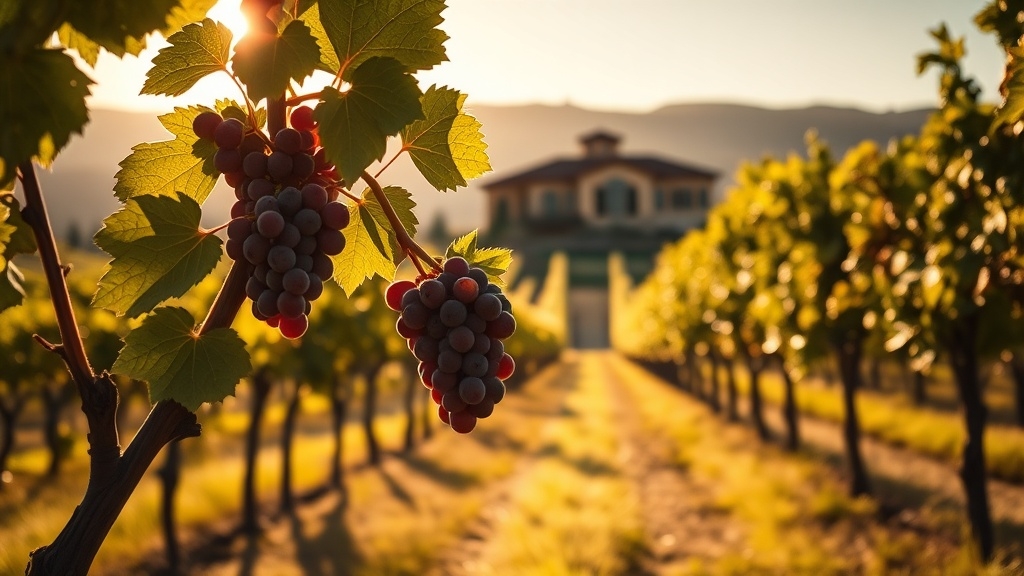
Architectural Elegance and Design Features
Missoula’s Tuscan estate market is soaring to unprecedented highs. Luxurious architectural features are captivating discerning investors.
Natural materials, like stone and stucco, offer rustic charm and resilience. These materials prominently feature in the stunning architectural elements.
Low-pitched, terracotta-tiled roofs enhance the Mediterranean aesthetic. Symmetrical layouts, inspired by Renaissance principles, promote design harmony. Unlike contemporary styles, Tuscan architecture emphasizes traditional elements over modern simplicity.
Signature arches in windows and doorways blend solidity with elegance. Decorative wrought iron adds intricate craftsmanship to railings and fixtures, contributing historical detail.
The warm, earthy color palette, featuring desaturated ochres and burnt siennas, creates a weathered Tuscan countryside appearance.
Interior features, such as exposed wooden beams and large windows, allow natural light. These elements emphasize seamless connections between spaces.
They support harmonious shifts from interior to exterior environments.
Vineyard Characteristics and Wine Potential
The opulent allure of Missoula’s Tuscan estates is not limited to their architectural grandeur.
The vineyard terroir intricately influences the wine potential. It is shaped by a variety of soil types and microclimates.
Elevated terrains enable dynamic climatic exposure. This promotes diverse grape varieties cultivation, including Sangiovese, Canaiolo, and Colorino for reds, alongside whites like Vermentino and Trebbiano. Some of these white grape varieties, such as Vermentino and Trebbiano, contribute to the identity of Tuscan white wines due to their adaptation to the Mediterranean climate.
Key vineyard characteristics impacting wine potential include:
- Soil Composition: From clay to limestone, each soil type enhances unique grape flavors.
- Temperature Variations: Hot days coupled with cool nights sustain balanced ripening.
- Coastal Influence: Sea breezes contribute to freshness and minerality.
Tuscany’s terroir variations yield wines with distinct aromatic profiles. This ensures both complexity and longevity, making these vineyards a vital facet of the estate’s allure.
Impact on Local Real Estate and Market Trends
A seismic shift is rippling through Missoula’s real estate scenery. Luxury Tuscan-style estates are redefining market dynamics.
The Ten Spoon Winery’s sale, priced between $5.39 to $6.07 million, sets a new benchmark for local luxury properties. This impacts valuation strategies across the region.
Notably, the price per square foot, exceeding $2,000, highlights strong demand. Estate properties that blend residence and agriculture are highly sought after. Baltimore’s $1 home initiative is gaining attention nationwide as another example of unique real estate strategies.
| Attribute | Typical Missoula Properties | Tuscan Estate |
|---|---|---|
| Price Per Square Foot | Below $200 | $2,000+ |
| Lot Size (Acres) | 0.25-1 | 21.5 |
| Functionality | Residential | Mixed-use Estate |
These valuation shifts underscore the area’s appeal to buyers desiring exclusivity and versatility. Enhanced property valuations show the significance of lifestyle and business opportunities.
Missoula’s real estate market is entering a transformative era. The precedence of lifestyle and business potential is more evident than ever.
Significance in the Wine and Viticulture Sector
Unprecedented shifts are unfolding in the wine and viticulture sector, as boutique wineries like Ten Spoon Winery set new price benchmarks.
These record transactions underscore the economic importance of the sector, propelling both vintage tourism and community involvement.
The $5 million vineyard estate sale in Missoula is a testament to investor confidence. This sale may transform the area into a strategic hub for high-end wine production.
A key impact is the boost in vintage tourism, drawing enthusiasts to explore Missoula’s changing wine landscape.
Additionally, boutique wineries are enhancing community engagement by becoming cultural landmarks.
These developments catalyze market growth, driven by boutique wineries’ influence and rising property values.
In turn, they support regional viticulture by improving market dynamics and sustaining local economic progress.
Investors and industry leaders may view these changes as signals of a promising period of growth and innovation.
Future Prospects for High-End Vineyard Estates in Missoula
Setting new benchmarks in the wine and viticulture sector, particularly within boutique wineries, signals not only economic robustness but also paves the way for intriguing future prospects in Missoula’s high-end vineyard estate market. The investment potential is significant, with moderate price growth forecasted. This allows for substantial appreciation. As the market normalizes, shifting demographics favor affluent individuals. They are drawn to Montana’s unique blend of lifestyle and luxury. The Tuscan estate trend, marked by record-setting prices, highlights buyer interest in vineyard estates. These are seen as both lifestyle investments and heritage holdings. Rising property values across top markets could further influence appreciation potential. Potential interest rate reductions could further stimulate demand in late 2025. However, the current absorption rate indicates longer market stays. This suggests competitive pricing strategies are essential to attract high-end buyers.
Assessment
The sale of the Tuscan estate in Missoula has rewritten the narrative for high-end real estate in the region. It sets unparalleled price records.
Its unique fusion of architectural elegance and extensive vineyards showcases its burgeoning potential in viticulture. This presents a paradigm shift in market expectations.
This landmark sale elevates Missoula’s real estate profile. It attracts interest from investors eyeing luxury vineyard estates.
The ramifications for local market dynamics and high-stakes real estate investments could be profound. It signals transformative times ahead.





















5 Responses
Is it just me or is this Tuscan estate just overpriced hype? Does wine quality even correlate with architectural elegance? Just asking! #WineNotArchitecture
While the Tuscan estates design is impressive, isnt the price tag a bit high? Could this inflate the local real estate market unnecessarily?
Honestly, isnt it ironic that this Tuscan estate in Missoula is setting price records while local vineyard owners struggle to break even?
Its not irony, its capitalism. Survival of the wealthiest, not the fittest!
Sure, the Tuscan Estate is pricey, but does it really warrant such a record? Is the wine potential truly that significant?