

What the Nashville Housing Market Looks Like in 2026
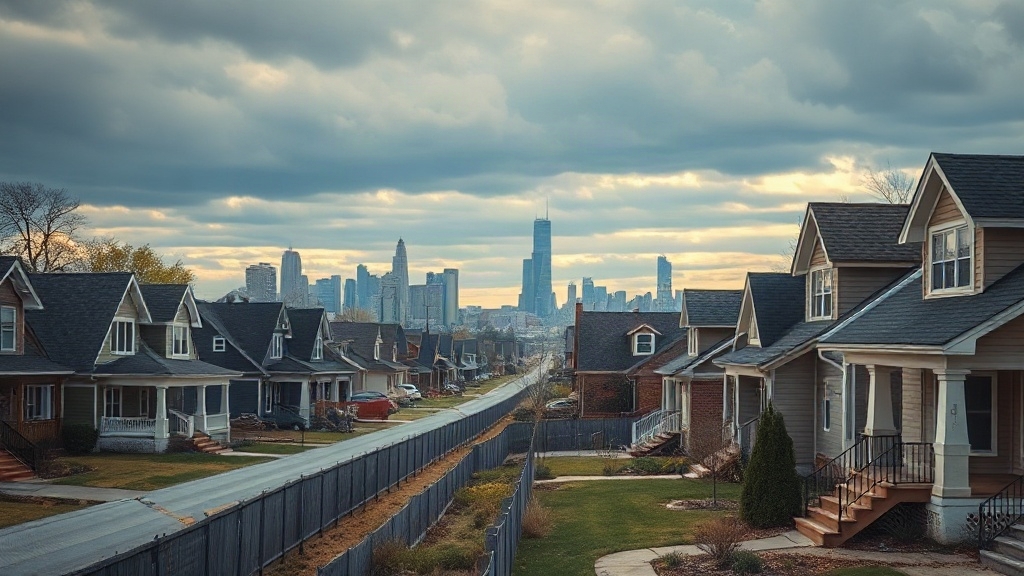
Several indicators show Nashville entering 2026 in a more balanced but still pressured housing market.
Average home value is $434,338, down 3.0% year over year, while the median sale price is $430,300.
Median list price stands at $489,300, and single-family home prices remain stable between $480,000 and $501,445.
January’s median listing price reached $599,900, down 1.2% from a year earlier.
The median sale-to-list ratio is 0.978, with 10.1% of homes selling above list and 72.0% below.
Homes typically go pending in 49 days, showing slower movement across price tiers.
A 14.2% share of price reductions also reflects cautious buyer sentiment.
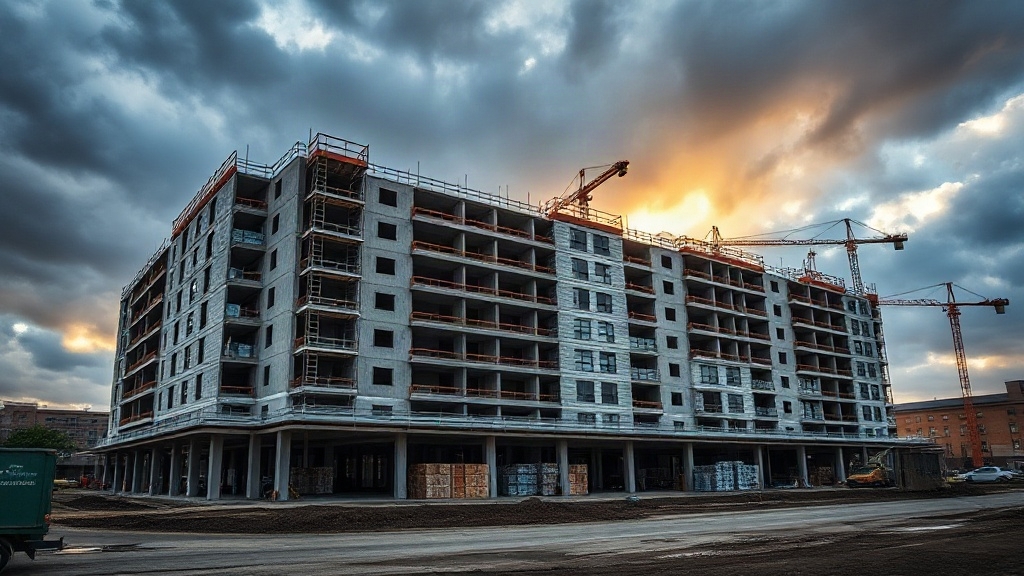
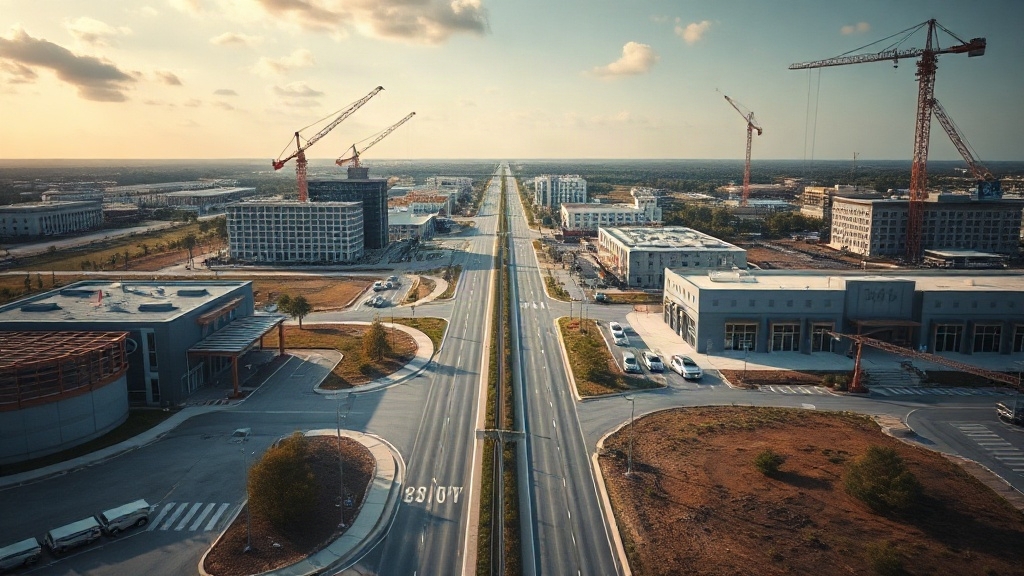
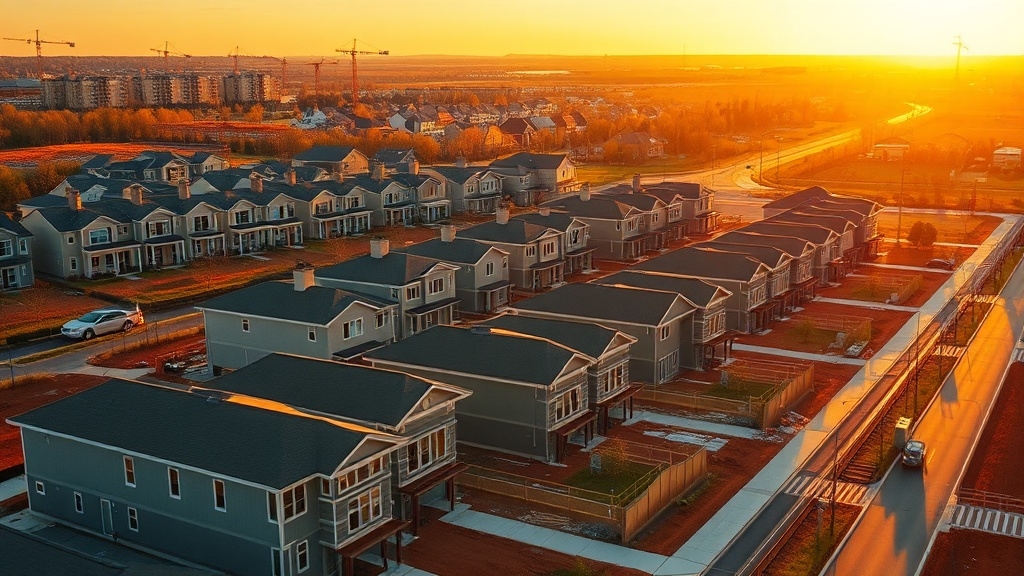
At the same time, Nashville’s hotel construction boom is adding pressure to land use and development patterns across fast-growing urban districts.
The market has also moved into balanced territory, giving buyers more negotiating room than in recent years.
Even so, market resilience remains visible.
Forecasts call for 4% price growth in 2026, supported by steady job gains and population growth.
How Inventory Is Changing the Nashville Housing Market
Rising inventory is reshaping Nashville’s 2026 housing market. Buyers have more options, while sellers are facing softer conditions.
Active listings climbed 13.4 percent year over year to 12,657 in March. That marks the fourth straight March increase and the highest level since 2019.
The gain also exceeded the national rise of 10.7 percent. That suggests stronger local supply elasticity.
Single-family listings rose to 9,920. Condo inventory increased 17.7 percent to 2,047, while townhomes reached 690.
Buyer Leverage Expands
Months of supply reached 4.86 in May 2025. That is up 46 percent from a year earlier and moves the market closer to balance.
Even so, inventory remains below the 5 to 6 months typically associated with a fully balanced market.
Homes now average 98 days on market. That compares with 64 days a year earlier and points to slower absorption and more neighborhood turnover.
Sellers are increasingly facing negotiations. They are also dealing with greater pricing discipline.


Where Nashville Home Prices Are Rising or Falling
Nashville home prices are fragmenting across the market as broader gains give way to flat medians, selective strength, and visible price cuts.
February 2026 median sale price held at $460,000, unchanged both year over year and month over month.
That stability contrasts with Zillow’s typical home value of $434,338, down 3.0% through March, signaling uneven pricing beneath headline figures.
Pressure Points by Area
Patterns suggest downtown appreciation for well-located, move-in-ready homes, while suburban cooling appears in softer list prices and longer marketing times.
March median list price fell to $586,450, down 4.6% from a year earlier, and 17.7% of listings took price cuts.
Single-family medians still ranged from $480,000 to $501,445, showing pockets of resilience even as higher inventory pushed leverage toward buyers in many neighborhoods.
For buyers and investors navigating these shifts, rising concerns over deed theft also underscore the importance of monitoring property records as fraud risks increase in fast-moving markets.
What’s Driving Nashville Housing Demand in 2026
Fueled by steady job growth, continued in-migration, and a broad economic base, housing demand in Nashville remains intact in 2026.
Even as buyers grow more selective, demand continues to hold.
Healthcare, music, logistics, retail, tech, and manufacturing continue supporting employment and relocation.
Major operators, including Nissan North America, reinforce stability and reduce dependence on any single industry.
Migration and Lifestyle Pull
Nashville’s evolution into a national growth engine keeps attracting new residents, corporations, and remote professionals.
World-class entertainment, cultural festivals, and strong livability rankings strengthen its appeal as both a relocation and investment destination.
Deeper Signals
Tourism and service-sector hiring continue creating entry-level housing demand across the metro area.
Corporate expansions and redevelopment projects add confidence to long-term household formation and mobility.
A balanced market with expanded inventory still reflects durable demand, not retreat.
Why Buyers Have More Leverage in Nashville Now
Shifting conditions have handed buyers more negotiating power across the Nashville housing market in 2026.
Active listings climbed to 12,315, while residential inventory reached 11,406 units, marking the highest selection since 2014.
That broader supply across condos and single-family homes has reduced bidding wars and widened choices on price, location, schools, and commute.
Pressure Builds on Sellers
Homes sold 6.4% below asking price most recently, and condo values slipped to $338,500 from $350,000 in February 2025.
Average time on market stretched to 62 to 85 days, giving buyers more inspection leverage on repairs and concessions.
Seller incentives have also become more common, including closing cost credits and builder offers that can make new homes about $600 per month cheaper than comparable resales.
Assessment
Nashville’s 2026 housing market reflects a sharp shift from scarcity-driven competition to a more balanced, high-pressure environment.
Rising inventory has eased some bidding intensity, but uneven price movement and persistent in-migration continue to sustain demand across key submarkets.
Buyers hold more negotiating power than in prior years, yet affordability strain and elevated borrowing costs remain central constraints.
The market’s next phase appears defined by selective resilience, local volatility, and continued pressure on households steering limited financial flexibility.