

Why New Jersey Industrial Is Holding Up
Absorbing earlier excess supply, New Jersey’s industrial market showed renewed stability in 2026 as vacancy rates edged lower and construction activity slowed.
Northern and Central New Jersey posted lower vacancy, while statewide figures also improved quarter over quarter. At the same time, deliveries slowed and the development pipeline dropped sharply from its 2023 peak, limiting new competitive space. Overall vacancy declined to 7.6% in Q2, reinforcing signs that the market was tightening.
Demand Base Remains Intact
Demand remained broad-based, with positive net absorption supported by occupied completions and build-to-suit projects. Elevated construction costs and tighter financing have also reduced speculative starts, a trend seen across markets facing construction financing costs.
That pattern reduced immediate vacancy pressure and helped the market digest prior oversupply more effectively.
Location advantages also continued to matter.
Port synergies tied to the Port of New York and New Jersey, major highway access, and strong labor markets supported logistics users and preserved occupancy in core distribution corridors statewide.
New Jersey Industrial Leasing Hit Record Levels
That firmer occupancy backdrop was matched by a surge in leasing. Northern and Central New Jersey posted 8.0 million square feet of industrial deal volume in Q2 2026, making it only the fourth quarter on record to clear that threshold.
First-half volume reached a record 17.2 million square feet. Multiple reports still placed activity well above long-term norms.
Key Forces Behind Demand
Q1 set the tone, with leasing surging to 8.7 million square feet in Northern New Jersey. Third-party logistics and renewed e-commerce demand remained major drivers of occupier activity. Demand was also reinforced by rising needs from 3PLs and logistics users seeking 75,000- to 175,000-square-foot facilities across the region.
A flight to quality pushed tenants toward newer Class A warehouses. Large users dominated, with 12 deals above 300,000 square feet through June.
Class A captured more than 60% of Q2 transactions. Decision-making grew more selective, but demand stayed active.


Vacancy Tightened as Supply Pressure Eased
A more disciplined supply backdrop helped vacancy edge lower across Northern and Central New Jersey in 2Q26.
Overall vacancy fell to 6.4% as absorbed space outpaced new deliveries, signaling that excess supply from prior years was being worked through.
Positive net absorption totaled 1.32 million square feet in the quarter and 4.71 million square feet year-to-date, underscoring improving absorption drivers.
Construction and Sublease Pressure Receded
Vacancy had climbed in late 2025 after 1.85 million square feet delivered in 4Q25, much of it without pre-leasing.
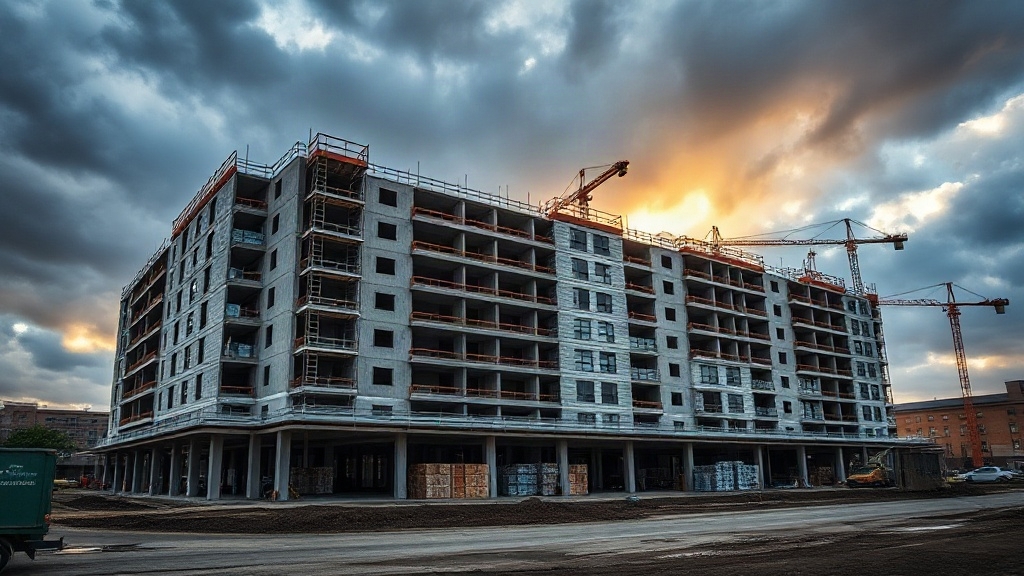
By mid-2026, a thinner pipeline near 7.3 million square feet reduced near-term supply risk and supported balance.
Sublease dynamics also improved as large blocks came off the market, lowering vacant sublease space to 13.9% of total vacancy.
Demand remained strongest for newer, better-located Class A product.
New Jersey Industrial Rents Stayed Elevated
Industrial rents across New Jersey remained historically elevated, even as quarterly growth cooled and vacancy improved.
Recent averages show only modest easing from peak levels, with statewide asking rents at $16.60 per square foot in late 2025 and $16.33 by Q1 2026.
Higher-quality warehouse and distribution space continued to command premiums, reflecting tenant preferences for efficient buildings with modern amenities.
Key Signals
- Class A warehouse and distribution rents reached $16.53 per square foot in Q1 2026, above the statewide average.
- Warehouse and distribution product broadly remained the strongest pricing category.
- Northern New Jersey reinforced the premium, rising to $17.92 per square foot in Q2 2026.
- Strong leasing and positive absorption helped landlords maintain pricing power in well-located, functional properties.
Rents stabilized, but remained historically high statewide.
What to Watch in New Jersey Industrial Next
Several indicators now point to a market entering a more decisive phase. Vacancy direction, leasing momentum, and a slower construction pipeline will likely determine whether New Jersey industrial conditions tighten further through late 2026.
Vacancy has already moved lower. Northern and Central New Jersey reached 6.4 percent in 2Q26, while Class A availability also compressed.
Demand Signals Stay Critical
Leasing and absorption remain central watchpoints.
Year-to-date absorption reached roughly 4.71 million square feet in Northern and Central New Jersey. Leasing approached 17 million square feet or more through midyear.
Demand is still concentrated in Class A logistics space. Key drivers include Port access, highway connectivity, and workforce availability.
Supply Risks Are Receding
Construction has slowed to roughly 6.8 million to 7.6 million square feet.
If deliveries continue trailing absorption, conditions could tighten further.
Assessment
New Jersey industrial appears positioned to remain resilient, but pressure points are building.
Tight vacancy, high rents, and restrained new supply continue to support landlord leverage across core corridors.
At the same time, occupier costs, slower economic activity, and selective leasing decisions could limit momentum.
Near-term performance will likely depend on whether demand stays broad enough to absorb space efficiently.
The market remains stable, though conditions suggest less room for error as the cycle matures.