
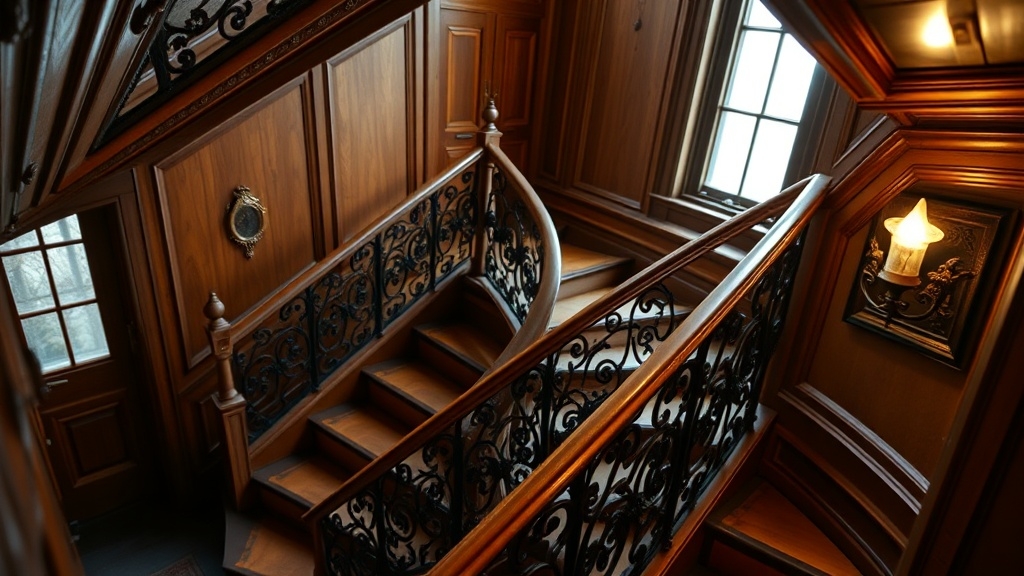
A Relocation Journey: The Manhattan Townhouse’s Historic Path
The Manhattan townhouse boasts a storied past, with roots tracing back to the early industrial era of the 19th century. Initially, it was part of Harlem’s transformation from Dutch farmland to elegant English estates. This evolution of the townhouse reflects broader urban migration patterns. By the 1840s, farm quality deteriorated. Speculative developers anticipated a middle-class shift driven by Lower Manhattan’s overpopulation. They constructed brownstones and apartment buildings. However, a real estate bubble soon burst, rendering many of these structures unrentable. Architectural styles like Federal, Greek Revival, and Italianate were prevalent during this time. These styles showcased an evolution aligned with changing tastes and technologies. The introduction of modern infrastructure into townhouses later in the century highlighted their adaptation to urban living needs. With the arrival of European immigrants in the mid-1800s, East Harlem became a vibrant community, attracting people due to cheap housing and job opportunities. Meanwhile, Tampa’s multifamily sector flourished in the following centuries, driven by population growth and economic resilience.
Architectural Elegance: Distinctive Features of the Dutch-American Home
Architectural elegance finds its quintessential expression in the distinctive features of the Dutch-American home.
A hallmark of this architectural style is the gambrel roof. This roof is characterized by its signature silhouette with a double-pitched design. This barn-style roof enhances the visual charm. It also increases usable space on upper floors. Integrated dormers further enrich the practicality. They offer additional light and ventilation. These homes often feature broad buildings with long eaves extending over the sides, a classic characteristic of Dutch Colonial architecture.
The symmetrical facade of these homes presents a stately balance. Often, there is a centrally positioned entrance flanked by an equal number of windows. Such symmetry imbues these houses with formality and elegance. This contrasts sharply with other colonial styles.
These homes are typically constructed from brick or stone. This reflects Dutch craftsmanship. Notably, the central chimney rises majestically. It serves as a focal architectural element.
Celebrity Influence: Allen-Harbour Brooklyn Townhouse’s Market Appeal
Despite the challenges in Brooklyn’s bustling real estate market, celebrity influence on property values remains undeniable. The Allen-Harbour Brooklyn townhouse listing is a prime example.
Priced at $7.99 million, it more than doubles its 2021 purchase price. This underscores the impact of celebrity renovations on property value.
Lily Allen and David Harbour’s association adds layers to the market storytelling of this unique home. Public intrigue, fueled by Allen’s album and media coverage of their split, adds to its appeal.
The combination of personal tales with renovations offers an engaging narrative. In Carroll Gardens—a desirable locality—the allure of celebrity ownership intensifies interest.
The intertwined cultural and emotional narratives showcase how market storytelling effectively leverages celebrity influence in real estate. This townhouse’s price jump reflects the broader trend in the ultra-luxury sector, where high-profile sales drive interest and appreciation.
Old-World Charm vs. Modern Maximalism: Comparing Two Iconic New York Homes
Amid New York’s multifaceted architectural scenery, a compelling juxtaposition emerges between old-world charm and modern maximalism.
The city’s townhouses echo historical preservation and design contrast through their architectural evolution.
Old-world charm prevails in Federal, Greek Revival, and Italianate styles. These styles showcase brick facades, columns, and period craftsmanship.
Homes with old-world charm possess an authentic, restrained elegance. They feature handcrafted details and symmetrical layouts that reflect historical integrity.
Conversely, modern maximalism incorporates expansive open spaces and eclectic decor. High-end amenities like elevators and pools are common in these homes.
Contemporary renovations focus on open floor plans and vibrant aesthetics. There is a balance between historical aesthetics and urban luxury demands.
Historic preservation efforts must retain original details while integrating modern comforts. This highlights the dynamic interplay between past and present in iconic New York homes.
New York’s historic homes offer a counterpoint to cities like Atlanta, where thriving job markets and steady property value growth make them attractive to first-time real estate investors.
Assessment
The New York $8M townhouse is an enchanting journey through time. It blends historic charm with architectural splendor.
With its Dutch-American roots and notable affiliations, it holds an elevated status in the high-stakes real estate market.
As potential buyers assess its appeal, the home stands as a juxtaposition of old-world elegance and contemporary vibrancy.
In a city known for its relentless evolution, this Manhattan masterpiece embodies a rare fusion. It continues to beckon discerning investors.