

2025–26 NYC RGB Rent Hike Rates (3%/4.5%)
Although the Rent Guidelines Board vote was decided by a narrow margin, the 2025–26 adjustment set one-year lease renewals at 3 percent and two-year renewals at 4.5 percent.
The decision passed 5 to 4 after a heated process. Separate ballot initiatives, including an Affordable Housing Appeals Board, could further reshape how projects and approvals move forward.
A prior 0% one-year guideline in 2016 underscored the board’s ability to freeze renewals.
Disruptive Rate Continuity for 2025–26
The 3 percent and 4.5 percent levels matched the prior RGB rates from the previous year.
They applied to leases signed from October 1, 2025, through September 30, 2026.
This continuity followed a cumulative 12 percent rise over four years under the prior administration.
Owners and lenders flagged portfolio adjustments and valuation impacts tied to regulated cash flow assumptions.


2026 Vote Calendar Adds Uncertainty
Next Adjustment Window
The board is scheduled to vote in June 2026.
That final adjustment will apply to leases from October 1, 2026, to September 30, 2027.
Who the New York Rent Hike Applies To (Rent-Stabilized)
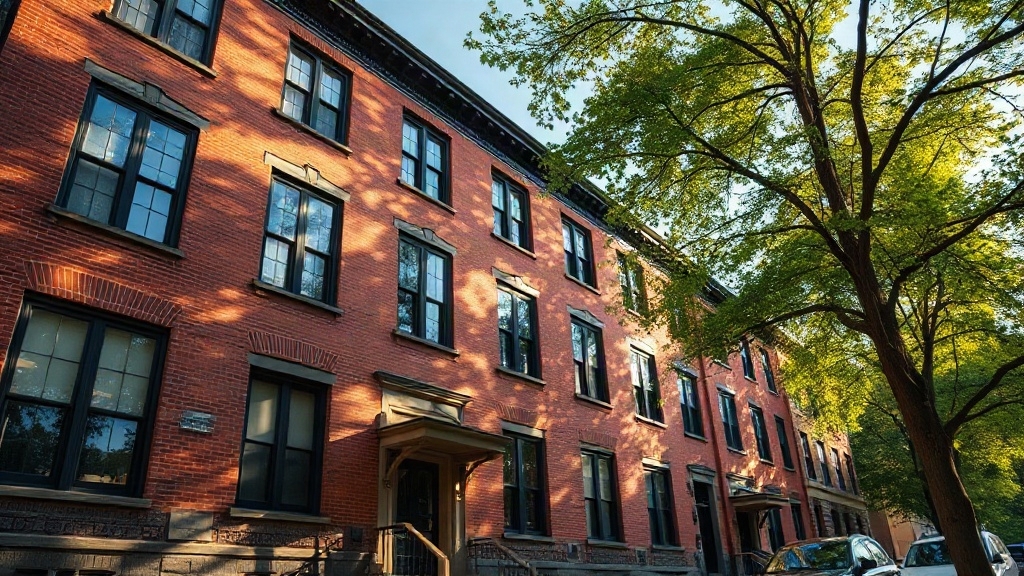
When the Rent Guidelines Board approves annual increases, the changes apply primarily to rent-stabilized apartments in New York City.
Coverage generally includes buildings with six or more units built before 1974.
It can also include properties receiving J-51, 421-a, or 421-g benefits.
Who Is Covered and Who Is Not
Roughly one million apartments fall under stabilization, far more than rent control.
Protections include capped annual increases, required services, and the right to renew for one or two years.
For landlords, these caps can also increase compliance and maintenance costs in a tightly regulated market.
Occupancy requirements matter.
Stabilization is intended for full-time primary residences, not second homes, and tenants must follow lease terms.
Verification Methods
Status can be checked through HCR rent history and the Ask HCR portal.
Not every apartment in a stabilized building qualifies, so confirmation is critical.
June 2026 New York Rent Hike: What Could Change
Rent stabilization coverage sets the stage for the next disruption at City Hall.
The Rent Guidelines Board is expected to vote in June 2026 on rent increases for the following lease cycle.
June 2026 Vote Watch
The nine-member, mayor-appointed board will hold hearings and set renewal caps for stabilized leases.
The vote governs 1-year and 2-year renewals citywide for the cycle.
What Could Shift
The prior order set 3% for 1-year and 4.5% for 2-year renewals.
That affected about 2.4 million tenants.
June 2026 may also align with DHCR-approved capital or hardship increases.
Those approvals can raise a unit’s legal rent beyond the base renewal guideline.
Notices typically go out 90–150 days before the lease ends.
Tenants generally have a 60-day window to respond.
Approved upgrades can lift legal rent.
Separate DHCR pathways may also add increases tied to building costs or hardship findings.
Zoning reform could shift supply assumptions used in the debate.
Subsidy expansion may keep some homes outside RGB rules.
Why the NYC Rent Hike Debate Is So Heated (Costs + Politics)
As median Manhattan rents reach $5,000 a month and market-rate rents climb nearly 6% a year, the rent hike fight has escalated into a high-stakes clash over who absorbs New York City’s housing inflation.
Rent stabilization covers 2.4 million tenants, and urban migration keeps competition intense.
Costs Collide With Politics
Insurance premiums have more than doubled since 2019.
Utility costs remain elevated across many rent-stabilized buildings.
Property taxes can take 40% to 50% of rent rolls, with some bills projected up 15% to 40%.
One example cited is a tax bill rising from $68,000 to nearly $100,000.
Tenant advocates point to roughly 12% cumulative hikes over four years and argue a rent freeze is overdue.
Landlords warn that a zero percent increase ignores rising operating costs, while campaign narratives harden ahead of the June 2026 board vote.
What Tenants and Landlords Can Do Before October
Move quickly before the Rent Guidelines Board locks in adjustments for leases starting October 1, 2026.
Tenant steps under financial strain
Tenants with renewals through September 30, 2027 should review lease timing, gather documents on income and expenses, and follow spring 2026 data releases and hearings.
Hearing rooms can feel stacked against household budgets.
Paper trails can decide whether aid or vouchers arrive.
Testimony can expose wage gaps versus rent.
Uncertainty can freeze moving plans.
Advocacy guidance can steady negotiations.
Landlord steps amid revenue shock
Owners can benchmark costs against RGB research citing a 6.3% minimum need and the 2025-2026 3% and 4.5% precedents.
They can evaluate distress findings, prepare vacancy increases up to 20%, and seek review.
They should also watch new appointees for zero-percent outcomes.
Assessment
The Rent Guidelines Board’s 2025 to 2026 vote signals continued pressure on rent-stabilized housing costs.
With proposed one-year and two-year adjustments of 3 percent and 4.5 percent, cash flow assumptions for owners and monthly budgets for tenants face tighter margins.
The June 2026 cycle could shift again as inflation, arrears, and operating expenses evolve.
Until the final order, leases, renewals, and compliance filings remain the critical timelines for both sides across the city’s regulated market.