

Did a San Francisco Eichler Really Sell $1M Over Ask?
Despite the intensity of San Francisco’s March 2026 overbid market, available sales data does not confirm that an Eichler home sold for $1 million or more above its asking price.
Reviewed results for the week ending March 20 show five homes clearing that threshold, but none are identified as Eichlers. The top closings instead featured Victorians and views.
The strongest overbids involved Victorians, a character-rich 1930s house, and a Pacific Heights condo.
What the Records Actually Show
Noe Valley’s 3853 22nd Street led at $1,977,000 over ask.
Inner Sunset’s 1426 8th Avenue followed at $1,805,000 over, helped by solar, battery storage, and fully electric systems.
Other top sales also reflected historic charm, views, or premium location, not mid-century modern design. The backdrop remains a low inventory market, with San Francisco homes continuing to sell faster than anywhere else nationally.
That leaves Eichler myths and neighborhood lore unsupported by the reported transactions alone.
The 5 San Francisco Homes That Sold Highest Over Ask
March 2026 sales records reveal a sharp concentration of extreme overbids at the top of San Francisco’s housing market.
Five properties closed from $1 million to nearly $2 million above list price.
At 3853 22nd Street in Noe Valley, a John Anderson Victorian listed at $2.598 million sold for $4.575 million.
The sale reflects steep Victorian premiums.
At 1426 8th Avenue, a fully electric Inner Sunset home with solar and battery backup jumped from $2.295 million to $4.1 million.
The result shows how energy incentives aligned with bidding pressure.
Even as San Francisco posts these outsized bids, Seattle is weighing rent cap legislation aimed at stabilizing rents and tenant costs.
Other standout closings
323 Eureka Street sold for $4,999,999, exactly $1,504,999 above ask.
1601 15th Avenue reached $4.2 million, or $1,205,000 over list.
2459 Buchanan Street closed at $3.4 million, exactly $1 million above its asking price.


What Buyers Loved About These San Francisco Homes
The bidding extremes reflected more than scarcity and location. They pointed to design traits that buyers consistently rewarded with aggressive offers.
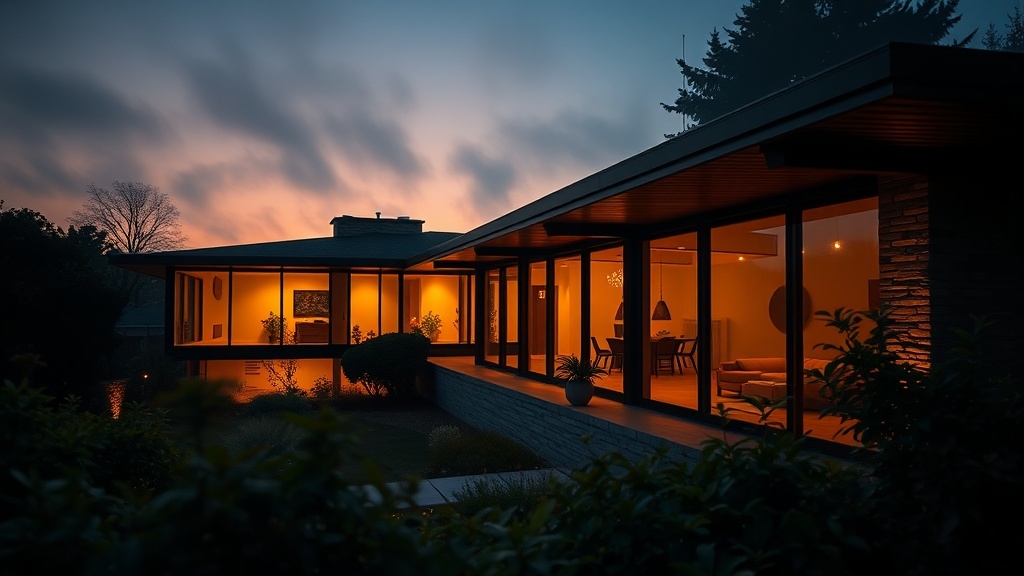
Buyers responded to natural light as a defining feature. Walls of glass, floor-to-ceiling windows, and atriums filled rooms with a soft glow across mahogany walls and post-and-beam ceilings.
The open plan and reduced walls created fluid movement and long sightlines. Together, they gave the homes a calm, gallery-like atmosphere.
Large windows and atriums also tied interiors to gardens. That connection made daily life feel more expansive and grounded.
- Sunlit rooms created immediate ease and emotional warmth
- Open spaces encouraged togetherness without sacrificing serenity
- Honest wood, glass, and stone felt authentic rather than staged
Clean lines and rhythmic ceiling beams reinforced a balanced mid-century character. Many buyers found it soothing, coherent, and deeply livable overall.
Why San Francisco Homes Are Selling Far Over Ask
Intensifying competition has pushed many San Francisco homes far beyond their list prices. Low single-family inventory remains the central force behind premiums that can reach 70 percent over asking.
More buyers are chasing fewer listings. That is creating bidding wars across San Francisco and nearby Silicon Valley markets.
Lower interest rates have added momentum. Improved city conditions and pre-IPO positioning have also drawn additional demand.
| Driver | Effect |
|---|---|
| low inventory | fewer choices, higher overbids |
| lower rates | larger buyer pool |
| premium homes | aggressive bidding wars |
| seller leverage | buy-downs, credits, pricing power |
Examples underscore the pattern.
A Noe Valley home reached $2.2 million. That was roughly $900,000 over ask.
Five San Francisco homes recently sold more than $1 million above list. The market continues to be shaped by scarcity.
What These Sales Mean for the San Francisco Market
Recent Eichler and single-family sales point to a market that is not merely competitive but materially tightening. Price acceleration is now outpacing already elevated expectations.
With single-family inventory down 34.7% year-over-year and median prices up more than 23%, the city’s market dynamics show demand absorbing nearly every available listing.
That pattern suggests current bidding behavior is being reinforced by structural scarcity, returning urban demand, and tech-linked wealth. It does not appear to be driven by short-lived enthusiasm alone.
Signals of Pressure
- Buyers face shrinking options and faster decisions.
- Sellers gain leverage as over-ask sales remain common.
- Observers may question long-term price sustainability.
Even so, price sustainability remains the central issue.
If supply stays constrained by land limits and multi-year approvals, premium pricing may persist. This is especially true in architecturally distinct neighborhoods where competition intensifies quickly.
Assessment
The reported Eichler sale underscores how selective San Francisco properties can ignite extreme bidding and reset neighborhood expectations.
Sales far above asking do not reflect the entire market, but they do signal intense competition for rare, well-positioned homes.
For buyers, the gap between list price and final price remains a major risk.
For sellers, these results show that pricing strategy, scarcity, and demand can still produce outsized outcomes in a volatile housing environment.