Accelerating Market Dynamics
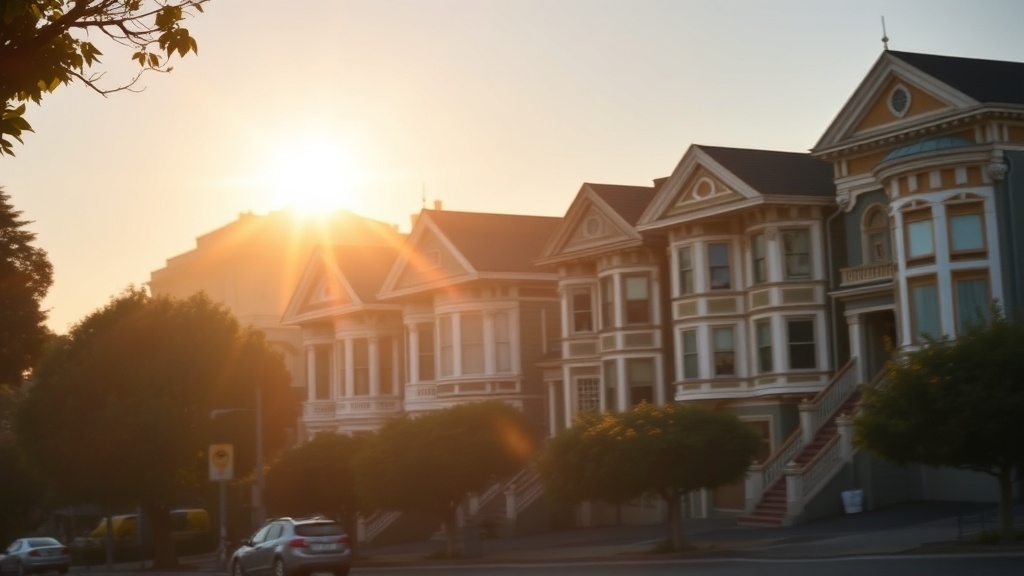
San Francisco’s real estate market is experiencing an unprecedented surge in activity following a post-pandemic slump. Market trends reveal a significant rebound, with a rise in home sales and a notable appreciation in median prices—up over 5% by August 2025. Despite historically low inventory, buyer behavior remains aggressive. Open houses are packed, and competitive bidding wars are common. Condos, in particular, are popular, with absorption rates climbing 46% year-over-year. The brisk pace of sales is evident. The median “days on market” has fallen to 32 days as of February 2025. With increased inventory levels, buyers have more options, yet listings could still sell out in about six weeks. This confirms a strong seller’s market and shapes new dynamics in San Francisco’s bustling real estate scene.
Influences of the Tech Industry Boom
San Francisco’s real estate surge highlights revitalized market dynamics. It underscores the pivotal role of the burgeoning tech industry.
AI demand greatly propels this housing market. Companies like OpenAI and Nvidia continue to drive economic transformation in the region.
Substantial investments and high salaries have raised purchasing power among tech professionals. This leads to a marked shift in buyer demographics.
These affluent buyers are often young, global talent relocating for AI-related jobs. They are fueling competitive bidding and rapid transactions.
Around 40% of recent rental applicants have moved to San Francisco specifically for tech positions. This indicates a robust influence of the AI sector on the market.
With increased demand mirroring the vibrancy of previous tech booms, neighborhoods like Noe Valley and Bernal Heights have experienced heightened interest and competition.
The demographic shift includes tech workers swiftly converting stock wealth into real estate assets. This intensifies demand further.
Tight Supply and Inventory Constraints
San Francisco is facing a tightening housing market, escalating inventory constraints. These challenges create significant obstacles for both buyers and sellers in the area.
Inventory shortages are particularly pronounced. As of mid-2025, single-family home supplies have plummeted approximately 15.93% year-over-year. Meanwhile, condo inventories have decreased by nearly 19.91%.
This scarcity intensifies competition among buyers. Homes tend to stay on the market for only a brief period, with single-family residences selling in an average of just 13 days. This rapid pace of transactions highlights the strong demand that far outstrips the available housing options.
The situation worsens as new listings continue to decline. By July 2025, there was a notable 18.46% reduction in single-family offerings. This further exacerbates the supply challenges.
The median time to sell a property—just 21 days by September 2025—underscores the substantial market imbalance. Eager buyers find themselves navigating an increasingly constrained market.
Impact of the Rising Rental Market
The escalation in San Francisco’s rental market is a clear indicator of the city’s evolving housing environment.
With median rents now at $3,650, prices have surged, leaving many renters displaced.
Neighborhoods like Mission Bay and South Beach are at the forefront of this growth. They are pressured by a demand surge partly due to office re-occupancy and high-income tech professionals.
This demand is noticeably higher than other U.S. regions, where rents have declined by 1%.
Incomes have not kept pace with this rise, notably affecting housing affordability. Notably, the expiration of pandemic protections has intensified tenant instability and exacerbated issues in the rental market.
Consequently, many lower- and middle-income families face displacement.
Such trends suggest potential distress for average renters. Some are possibly being forced to move to less expensive cities like Oakland, where rent increases are beginning.
Assessment
The rapid pace of home sales in San Francisco highlights key market dynamics. These dynamics are shaped by technological growth, limited inventory, and a booming rental market.
As the city’s housing landscape evolves, these factors drive urgency and competition among buyers. This unique mix of influences creates both challenges and opportunities for real estate professionals.
Understanding these elements is crucial for navigating San Francisco’s high-stakes residential market. Efficient and strategic maneuvering can make a significant difference.