


Complex Factors Behind the Budget Shortfall
Amidst Seattle’s bold architectural endeavors, a looming budget shortfall hinders progress on its skyline ambitions. Cost escalation in construction and materials poses severe challenges. The West Seattle Link’s budget increased by approximately $3 billion, a stark example of rising expenses. Concrete and steel costs soar due to inflation and supply chain disruptions. Labor shortages exacerbate wage pressures, causing delays. Complex site conditions in Seattle’s dense urban areas further inflate costs. Simultaneously, funding delays exacerbate financial strain. A long-term financial shortfall estimated at 30-40 billion dollars threatens the feasibility of certain Sound Transit projects. Voter-approved levies and state budgets often face administrative holds. Fragmented funding streams add complexity. Projects struggle with funding reallocation and lengthy approval processes, resulting in delays. Together, these factors complicate capital planning and strain financial resources for Seattle’s skyscraper ventures.
Regional Infrastructure Funding Challenges
The stark reality of fiscal inadequacy looms over Seattle’s regional infrastructure. This paints a grim picture for future development. Challenging funding sources exacerbate prioritization challenges. Significant gaps remain unaddressed. Central Puget Sound faces a $78.2 billion shortfall for essential transportation upgrades. Recent discussions during a Sound Transit Board meeting have highlighted the growing challenges faced by infrastructure projects, especially in addressing cost increases impacting the ST3 program. Projected roadway costs are set to balloon to $9.2 billion by 2025. As bridge conditions worsen, with 88 rated “poor” by 2025, local budgets are strained. Half of these bridges fall outside the state highway system. Critical infrastructure demands millions in investments. Projects like the BNSF rail line and waterfront seawall compete for funding, risking seismic safety. Fiscal constraints are driven by misaligned revenue distribution and rising costs. This compels difficult prioritization, stalling many necessary initiatives. Recent investigations into mortgage fraud allegations highlight potential impacts on real estate finance and investment trust, further complicating infrastructure funding efforts.


Implications for Housing and Urban Development
Funding challenges impacting regional infrastructure cast a shadow over Seattle’s urban development prospects.
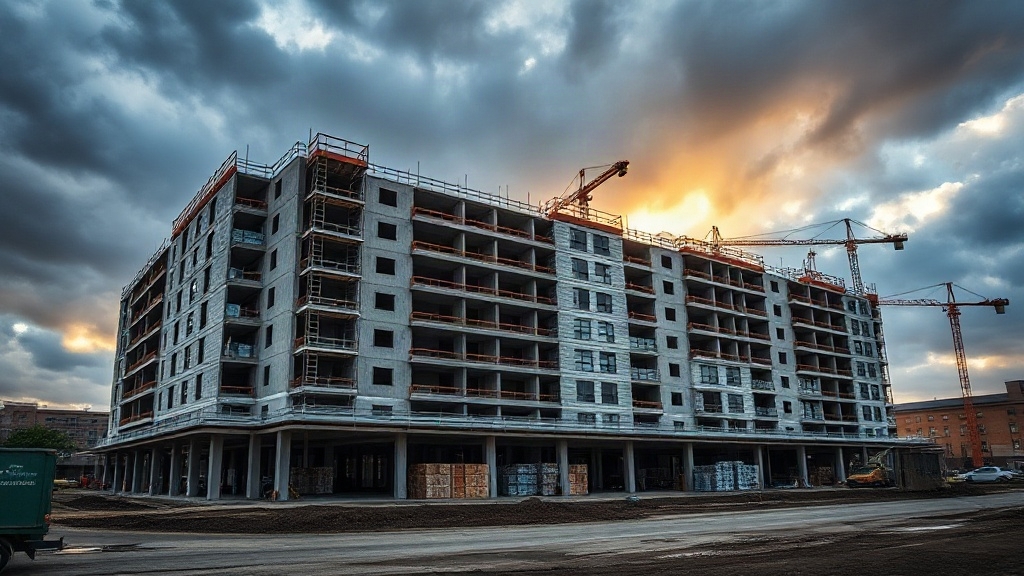
The $400M gap in the skyscraper plan threatens to delay critical mixed-use projects. These projects are vital to addressing Seattle’s acute housing shortage. This is particularly concerning given the region’s urgent need for 1.1 million homes by 2044.
Efforts to increase urban density face setbacks. This could potentially slow the development of transit-oriented communities aimed at reducing car reliance.
The lack of affordable housing components in stalled skyscraper projects risks aggravating supply shortages. Worsening barriers for marginalized groups further complicates the situation.
Developers may be forced to pivot investments towards suburban areas. This action counters city zoning goals for sustainable growth.
These disruptions undermine Seattle’s potential to cultivate a resilient urban environment amidst ongoing housing crises. Effective solutions are needed to address these challenges.
Strategic Responses and Project Adjustments
Emerging financial constraints have necessitated strategic recalibrations for Seattle’s transit and urban development projects. Sound Transit is facing a notable funding shortfall. To address this, they are focusing on cost strategies and project optimizations. Key adjustments include considering delays or reductions in scale for expansions, especially in regions like Ballard. This approach emphasizes maintaining service improvements within fiscal constraints. Cost control and construction efficiency initiatives are being prioritized. They include innovative methods to cut construction costs without negatively affecting communities. Alternative funding and resource allocation strategies are being revised. These revisions aim to bridge financial gaps while ensuring long-term sustainability and alignment with urban development goals. Additionally, the Mission Gateway project in Kansas City demonstrates the importance of timing and market awareness in large-scale urban developments, offering valuable lessons for effectively managing similar challenges.
Assessment
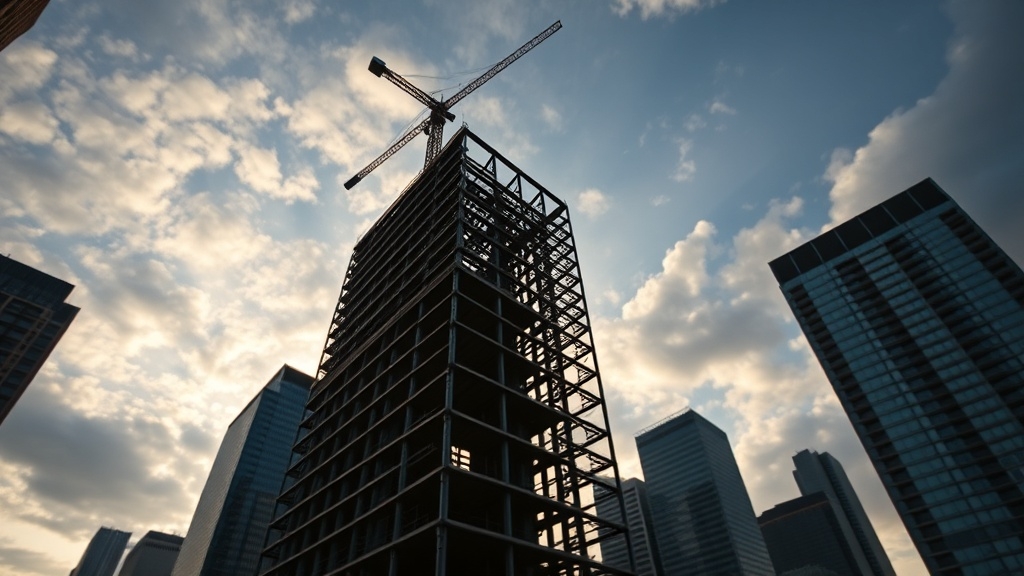
The stalling of the Seattle skyscraper project highlights significant challenges in urban development and infrastructure funding. The $400 million deficit exposes vulnerabilities in financial planning.
These shortfalls could have far-reaching effects on housing and economic growth in the region. Strategic adjustments are essential to navigate this complex landscape.
Ensuring future project viability and maintaining investor confidence is crucial. Stakeholders must recalibrate their approaches moving forward.
The outcome of this endeavor will shape the trajectory of urbanization in Seattle. It will also serve as a critical learning point for future developments.





















6 Responses
Isnt the $400M funding gap just a scapegoat? Maybe the real issue is a lack of strategic planning and foresight. Just my two cents.
Seems like Seattles just not ready for the big leagues, huh? Perhaps we should reassess our urban ambitions and focus on affordable housing instead.
Affordable housing and urban ambitions arent mutually exclusive. Seattle can handle both!
Isnt it ironic that we can fund space exploration but cant nail down $400M to boost our own urban landscape? Just some food for thought…
Guys, ever think maybe Seattle doesnt need another skyscraper? What about using that $400M to address the housing and infrastructure issues instead?
Honestly, wouldnt that $400M be better spent on solving Seattles housing crisis than on another skyscraper? Just a thought.