
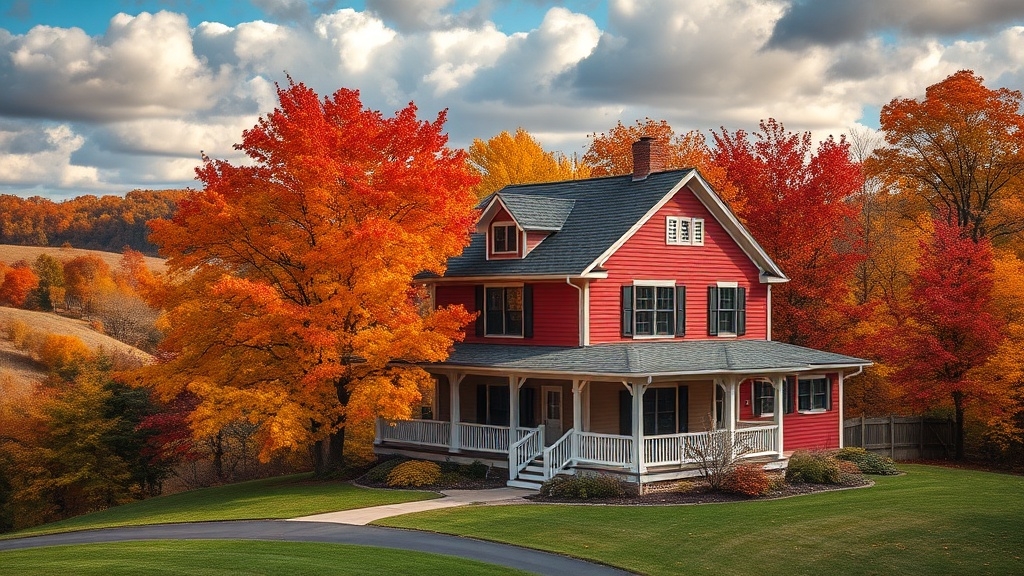
Syracuse Inventory Changes and Buyer-Seller Dynamics
A whirlwind of market forces continues to shape the inventory changes and buyer-seller dynamics in Syracuse. Despite a slight growth in Onondaga County’s inventory, overall levels remain far below pre-pandemic norms. This scarcity propels homes to pending status in merely seven days.
Buyers adapt by honing strategies like swift decision-making and engaging in competitive bidding wars. Seller advantage reigns as rising prices motivate listings. Yet, new entries barely meet demand.
The use of digital ownership tokens in the broader real estate market demonstrates the growing influence of blockchain technology in facilitating property transactions and investments.
Oswego County bucks the trend with notable inventory growth. Oswego County experienced a 21.8% Year-over-Year increase in sale inventory totaling 126 homes. Meanwhile, neighboring Madison County declines sharply. State and local efforts to alleviate tight supply have thus far proven insufficient.
This emphasizes the ongoing struggle to balance burgeoning demand with available housing units in this heated market.
Upstate New York Housing Market Comparisons
Buffalo distinguishes itself with robust economic growth, fueled by job creation surpassing new housing permits.
This dynamic results in one of the fastest-growing home prices in the state, despite constrained housing affordability. Syracuse follows closely, with homes selling rapidly amid low inventory and continuous price escalation.
Albany and Rochester also experience steady value increases, although at a more moderated pace. Rural areas, however, face slower growth, exhibiting lower price movement influenced by diverse economic factors. As demand for attractive amenities and energy-efficient homes grows, constrained supply across key metros continues to challenge affordability.
In the broader context of the U.S. housing market, nearly 80% of large counties are financially devastated, highlighting the gravity of rising housing costs and systemic challenges.
This discrepancy highlights the complex interplay of economic growth and housing affordability across the region.
Impact on Syracuse Rental Market
Amid the rapid escalation of home prices and accelerated real estate transactions in Syracuse, attention turns sharply to the implications for the city’s rental market. The surge in home sales has intensified rental demand substantially.
Potential homebuyers are turning towards renting due to affordability challenges. With an average rent reaching $1,667 in 2025, up from $1,400 in the previous year, the rising rental costs reflect this demand.
Neighborhood disparities are evident. University Hill commands premium rents near $3,000, while Eastwood averages less than $1,000.
Although supply constraints exist, moderate vacancy rates at 5.5% signal balanced supply-demand dynamics.
The booming sectors like healthcare and technology, alongside educational institutions, further anchor renter demand.
This projects stability despite growing rental affordability challenges.
Assessment
Syracuse’s housing market is undergoing rapid changes. The brisk pace of home sales highlights a significant shift in local real estate dynamics.
A shrinking inventory paired with steady demand underscores competitive buyer-seller interactions. This scenario keeps prices elevated.
When compared to other upstate regions, Syracuse stands out as a particularly hot market. This surging interest also places pressure on the rental market.
Potential challenges for renters are emerging as housing affordability tightens across the area.

















5 Responses
Interesting read, but arent we ignoring the sky-rocketing rental rates? How does that factor into the Upstate Standout scenario? Just food for thought.
Honestly, arent these hot markets just bubbles waiting to burst? Syracuse isnt Silicon Valley. Whos assessing these home values?
Every markets a bubble, mate! Its all about when, not if. Ride the wave while its high!
Interesting read, but are we just ignoring the inflation factor? Maybe Syracuse isnt booming, but just catching up with the rest? Just a thought.
Interesting read, but isnt Syracuses red-hot market more about low inventory than high demand? What about comparing this to the Rochester market?