

Is Inflation Helping or Hurting CRE in 2026?
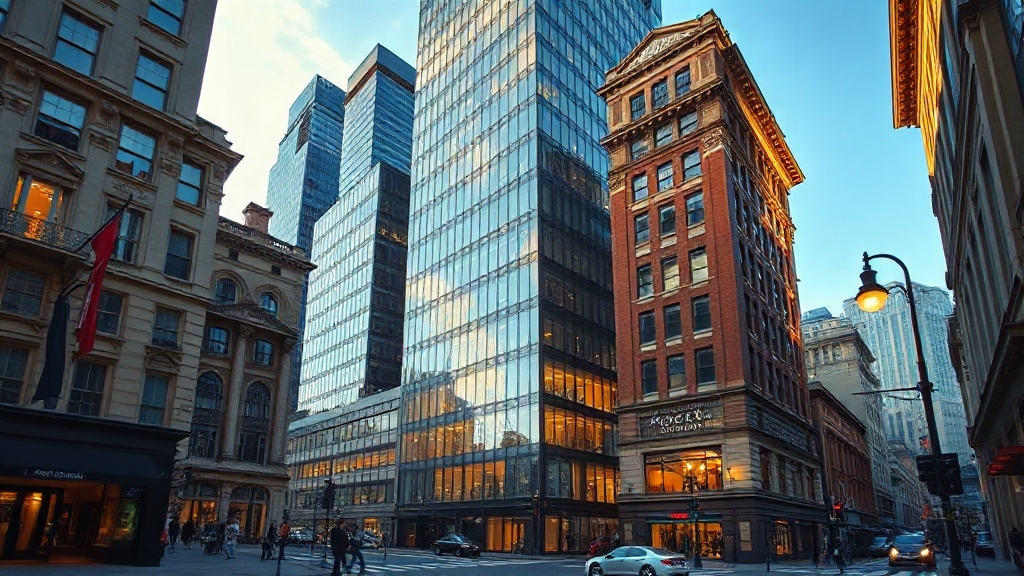
At first glance, inflation in 2026 is creating a mixed backdrop for commercial real estate. It is helping some property owners raise nominal income while pressuring others with faster cost growth.
Properties with built-in rent escalations or more flexible lease structures can reset pricing more quickly. That has favored industrial, retail, and some multifamily assets where demand remains firm. In retail, rent growth reached 2.0% year-over-year in April 2026, the highest among major property types.
Core inflation around 2% to 3% has also supported a stable-growth narrative across more resilient segments. If Federal Reserve easing continues, cap rates could compress and lift values for some commercial assets despite persistent cost pressures.
The pressure shows up when expenses rise faster than revenue. Higher taxes, insurance, utilities, payroll, and maintenance costs can squeeze operating income.
Office remains the most exposed when soft demand limits pricing power. That is true even though leasing has stabilized in some markets.
Inflation’s demand effects also matter. Moderating inflation may help planning and leasing activity.
But weaker consumer spending can still hurt retail tenant solvency and increase occupancy risk.
How Inflation and Rates Are Hitting CRE Values
With inflation still running above the Federal Reserve’s 2% target, commercial real estate values remain under pressure from elevated discount rates and higher return requirements.
CBRE expects inflation to average 2.5% in 2026, reinforcing a higher-for-longer rate backdrop. That keeps valuation models strained as discount rates rise and buyers demand more yield.
The 10-year Treasury at 4.45% in Q2 2026 remains a core benchmark for cap rates and pricing. Prime income assets are generally trading around 6.5% to 7.0%, while office yields are materially wider.
When cap rates expand faster than income, values fall.


Financing Stress Deepens the Reset
Higher borrowing costs, tighter leverage, policy uncertainty, and episodes of capital flight continue to limit bids. Refinancing risk and thinner debt service coverage further constrain transaction pricing across U.S. markets.
Meanwhile, Blackstone’s £2 billion partnership with Pluto Finance highlights growing demand for whole loans as traditional lenders pull back from real estate financing.
Where Inflation Is Squeezing CRE NOI
Pressure on commercial real estate values is increasingly showing up in property-level cash flow. Inflation is driving operating expenses higher than rent growth in many assets.
Expense Lines Under Pressure
NOI falls when maintenance, management fees, utilities, insurance, and taxes rise faster than lease revenue. Long-term leases with fixed escalations often lag inflation.
That limits recoveries and compresses cash flow even when occupancy remains stable.
Utilities, Labor, and Repairs Bite Harder
Utility exposure has become especially visible. Energy and service-price inflation are pushing bills higher than contractual rent bumps.
In some multifamily portfolios, utilities represent 15% to 20% of operating expenses.
Labor-intensive services, payroll, and vendor contracts are also resetting upward. At the same time, rising materials and deferred upkeep can turn a maintenance backlog into a larger recurring drag on actual property cash flow.
Which CRE Sectors Are Most Resilient?
Despite broad inflation pressure across commercial real estate, resilience is still concentrated in sectors with pricing power, necessity-based demand, and limited new supply.
Multifamily stands out as a stronghold because housing undersupply supports occupancy, rent resets, and steadier cash flow.
Industrial remains resilient as logistics demand, supply-chain tenancy, and long leases help protect income.
- Multifamily benefits from necessity-based demand and improving rents.
- Industrial NOI remains far above pre-pandemic levels.
- Necessity-oriented retail shows low vacancy and steadier pricing power.
- Data centers and cell towers benefit from durable digital demand.
- Manufactured housing and self-storage continue to show sticky operations.
Retail resilience is strongest in general retail and better-located necessity formats.
Digital infrastructure, senior housing, manufactured housing, and self-storage also appear comparatively durable as inflation keeps financing and operating conditions restrictive.
What CRE Investors Should Watch in 2026
For CRE investors, 2026 is shaping up as a year defined by rate sensitivity, refinancing strain, and uneven price discovery.
Inflation above target is keeping borrowing costs elevated, while June Fed minutes signaled caution on cuts and left room for additional hikes.
That raises pressure on refi timelines, especially for borrowers facing tighter underwriting in the second half.
Costs, Values, and Liquidity Risks
Higher debt-service burdens can reduce cash flow even when property income holds steady.
Long-duration assets remain vulnerable to small moves in Treasury yields and credit spreads.
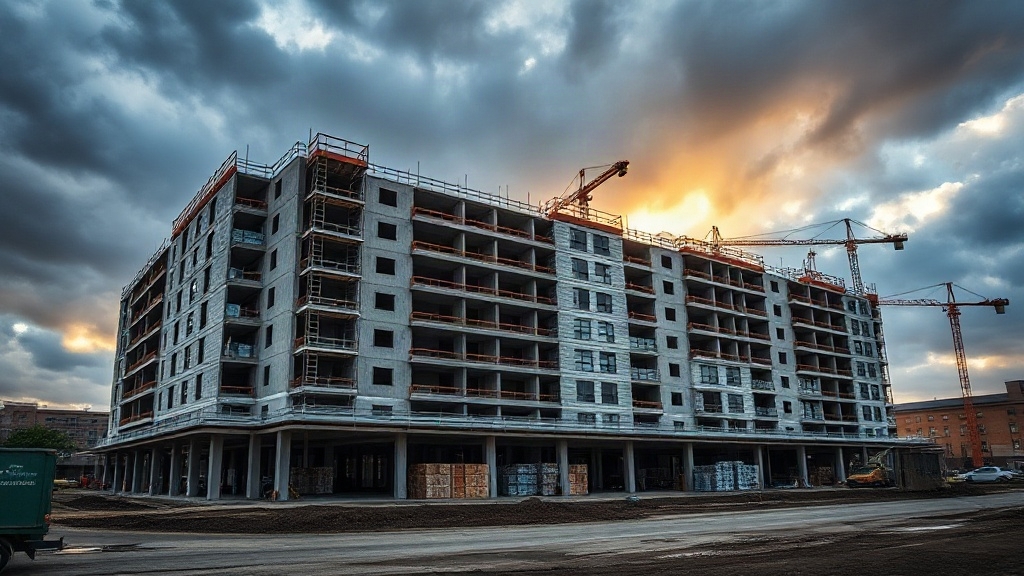
At the same time, construction budgets are still pressured by labor, materials, tariffs, energy, and financing costs.
Replacement costs may support existing assets, but development feasibility stays fragile.
Capital availability and transaction volume should improve only if inflation and rates become more predictable.
Assessment
Inflation remained a destabilizing force across U.S. commercial real estate in 2026. Higher rates continued to pressure valuations, refinancing, and transaction activity.
Operating costs also eroded net operating income across multiple property types. Some resilient sectors showed stronger rent growth and occupancy, but that insulation remained limited.
Debt costs stayed high, and expense inflation continued to weigh on performance. The market’s direction depended less on headline inflation alone and more on financing conditions, lease structures, and each asset’s ability to preserve cash flow.