

Are Starter Homes Becoming More Affordable?
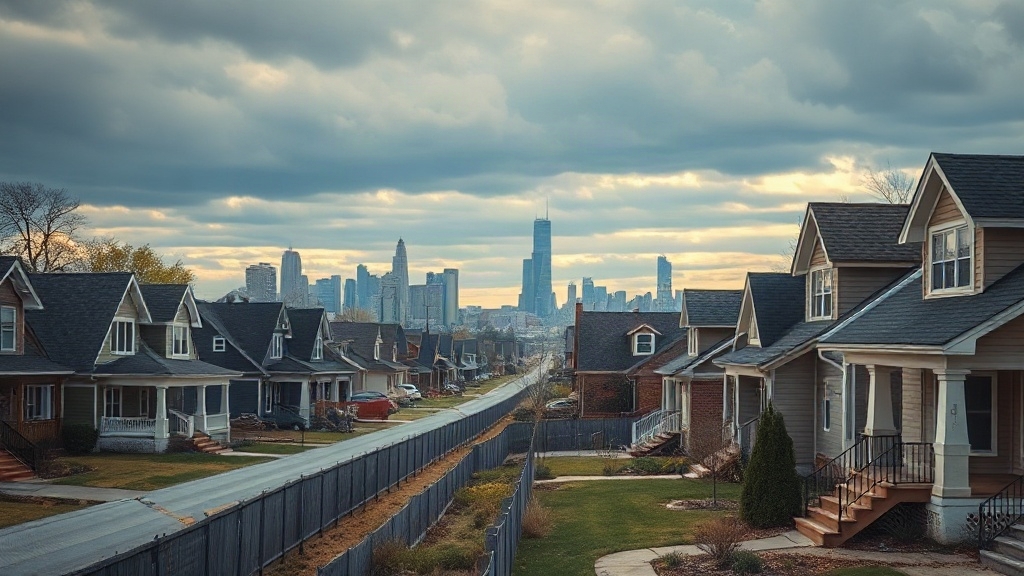
As inventory expands, starter home affordability is showing only a modest national improvement. Major structural barriers still block many first-time buyers.
Nationally, for-sale supply rose nearly 20 percent from a year earlier. That helped affordability improve slightly in some markets. Since 2017, home sale prices have climbed far faster than wages, underscoring the broader housing cost surge. Mortgage rates near 6.7 percent are reinforcing a lock-in effect that keeps many existing owners from listing their homes.
Middle-income households benefited most. Lower-income buyers saw options shrink further.
Uneven Gains Deepen Pressure
Households earning $75,000 could afford 21.2 percent of listings in March 2025. That is up from 20.8 percent a year earlier.
Those earning under $50,000 could afford just 8.7 percent of listings. That is down from 9.4 percent.
Prices remain historically stretched, with median homes costing six times median income. Higher mortgage rates, downpayment trends, and tighter credit access continue limiting entry.
Affordability also varies sharply by region. The South and Midwest offer easier paths than coastal markets.
How Much Income Do You Need for a Starter Home?
Starter home affordability now demands roughly $70,000 to $80,000 in annual household income nationwide, depending on mortgage rates, prices, and timing.
Recent estimates range from $70,164 to $79,252, with the typical benchmark near $80,000 for a median starter home priced around $262,317.
That is nearly double the 2019 requirement, showing how quickly affordability standards have shifted beyond many entry-level buyers.
With 30-year fixed rates above 7% and a growing housing inventory, affordability pressures may ease only gradually even as buyers gain a bit more negotiating power.
Local Gaps Widen
A household following the 30%-of-income rule may still struggle if savings for a down payment lag behind income growth.
Costs vary sharply, from about $22,000 in Detroit to more than $167,000 in Hawaii, while some California markets require far more.
Remote work can widen search options, but zoning reform and local income growth remain central to whether starter homes fit median household budgets.


Why Are Starter Home Prices Still High?
Tight supply continues to keep starter home prices elevated across the United States.
A housing shortage of nearly 1.5 million units, years of underbuilding, and restrictive zoning all contribute to scarce inventory.
The median home is now more than 40 years old.
Many aging properties need repairs before they can be sold, which further limits options for buyers.
Key Forces Keeping Prices High
1. Limited inventory
Underbuilding and slow new construction leave too few homes for entry-level buyers.
2. Investor pressure
Cash buyers often purchase fixer-uppers and convert them into rentals, removing affordable homes from the market.
3. Mortgage lock-in
Many owners are holding onto older low-rate mortgages, which reduces listings even as demand remains steady.
At the same time, elevated mortgage rates and closing costs are stretching buyer budgets.
Even so, strong demographic demand continues to support prices in many markets nationwide.
Where Is Starter Home Affordability Improving?
Affordability is showing the clearest improvement in parts of the South and in select Western metros. Softer price growth and rising inventory are creating more openings for first-time buyers.
In Southern markets, the starter-home price threshold fell 3.5% since 2022, reaching $311,000. Listings under $350,000 rose to 43.6%.
Nearly 170,000 more affordable homes are now available than at the peak of the housing crunch.
Metro Shifts Signal Changing Pressure
Metro shifts were especially visible in Florida and Texas. West Palm Beach, Fort Lauderdale, Dallas, and Fort Worth moved from unaffordable in 2023 to affordable in 2024.
Median-income households in those metros are now spending about 28% to 29.1% of earnings on starter homes.
In the West, Denver and Phoenix are also showing progress. That improvement is being supported by a 7.3% drop in the regional starter-home threshold.
What Could Improve Affordability Next?
Across much of the country, the next phase of improvement will likely depend less on price declines alone and more on whether policymakers and builders can expand the supply of smaller, lower-cost homes.
That includes two-bedroom houses, suburban infill, refurbished older properties, modular construction, and accessory dwellings that widen entry-level options.
Key Levers
Upzoning and faster permitting could lower delays and make medium-density housing more feasible.
Reasonable codes, lower impact fees, and stronger labor and materials pipelines could trim construction costs.
Federal incentives, tax relief, and targeted financing could attract private capital into starter-home development.
Financing Barriers Remain
Mortgage modernization could also matter.
Updated underwriting that credits rental payment history may help more qualified first-time buyers.
Zero-down loans, buydowns, and down payment assistance could also help bridge affordability gaps.
Assessment
Starter home affordability in the United States has shown limited improvement, but conditions remain strained. Income thresholds are still high, prices remain elevated, and mortgage rates continue to restrict buying power.
Some markets are easing as price growth slows and wage gains improve household capacity. Even so, broad relief has not arrived.
Affordability will likely depend on lower borrowing costs, increased entry-level supply, and steadier home price trends across a wider share of metropolitan markets.