
Washington’s $1M Starter Home Market
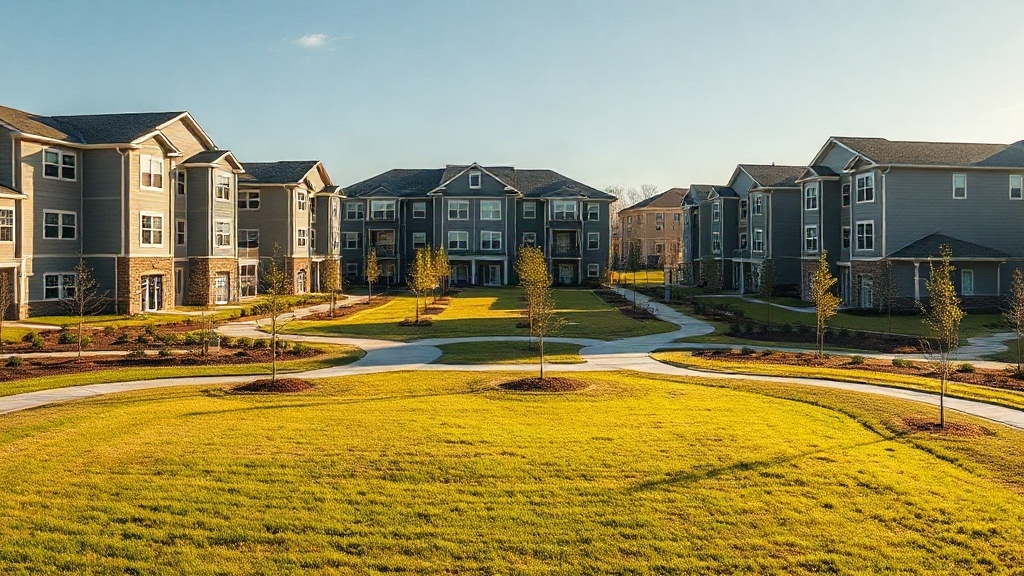
Across Washington’s most expensive enclaves, the starter home market has moved firmly into seven-figure territory.
Eight Washington cities now post starter home values at $1 million or more, up from five in 2019.
That concentration sits largely in Seattle’s upscale suburbs, reinforcing Eastside exclusivity and widening affordability gaps.
Prices Signal Intensifying Pressure
Hunts Point leads at $3.5 million, followed by Clyde Hill at $3.4 million.
Yarrow Point stands at $3.3 million, and Medina comes in at $3.2 million.
Mercer Island sits at $1.6 million.
Even Seattle’s entry-level homes now begin around $1 million.
Nationally, the typical starter home is valued near $198,649.
Nationwide, 242 cities now have starter homes valued at $1 million or more, underscoring how far affordability pressures have spread beyond a handful of coastal enclaves.
That leaves Seattle-area entry homes at roughly five to ten times the U.S. norm.
Supply constraints, rapid appreciation, and urban displacement continue reshaping who can access first-time ownership in Washington.
Why This Washington Home Hunt Crosses States
For many $1 million buyers, the search no longer stops at Washington’s borders.
Washington now has 18 cities with typical home prices at $1 million or more. In several Seattle-area suburbs, starter homes top $1.2 million.
That pressure pushes buyers to compare nearby markets where $1 million buys more space and flexibility.
Main Forces Behind the Shift
- Washington inventory is tight, limiting entry-level options.
- Oregon and Idaho offer lower starter-home thresholds.
- Cross-border commuting keeps job access within reach.
- Regional school choices influence where families draw search lines.
Digital platforms also make three-state comparisons easier.
Buyers increasingly treat Washington, Oregon, and Idaho as one connected housing region. Commute times, school access, and affordability now matter more than state boundaries alone.
This pattern reflects severe regional strain, not a simple preference shift. Markets such as Aurora underscore that low housing supply can keep prices elevated even as inventory edges higher.


New York’s $1M Starter Home Comparison
New York shows how far the starter-home crisis has spread beyond the Pacific Northwest.
In New York, 41 cities now have starter homes costing at least $1 million. That total rose by 10 in a year.
Zillow says entry-level prices have never been higher. It underscores an affordability crisis that now reaches well beyond luxury markets.
In other expensive markets like San Francisco, rising interest rates near 7% have further strained affordability even as inventory has increased.
Long Island Pressure Points
Long Island contains 29 of those communities. That makes it the state’s clearest concentration of seven-figure entryways to ownership.
That cluster helps explain why New York stands out nationally. It has more $1M starter-home cities than Washington, Florida, or Massachusetts.
National Contrast
Nationally, the typical starter home is valued near $198,649.
Against that benchmark, New York buyers face unusually steep barriers. In many markets, starter-home pricing now resembles luxury tiers elsewhere.
Colorado’s Smaller $1M Home Market
Colorado presents a smaller seven-figure starter-home footprint than New York, even as statewide prices remain elevated.
The state’s October 2025 median sale price was $550,000, while the year-to-date median reached $570,000, down 4.1 percent.
Average prices also eased to $706,723, reflecting buyers’ continued focus on homes below $1 million.
- Active listings reached 30,803 in October.
- Supply stood at about 4.3 months statewide.
- Sales volume slipped 2 percent to 7,353.
- New listings also fell 2 percent to 9,659.
At the upper end, Denver’s $1M-plus segment saw an inventory surge entering 2026.
That influx sharpened competition and signaled luxury recalibration rather than demand collapse.
Detached pending contracts rebounded, but attached luxury condos remained softer, underscoring Colorado’s narrower million-dollar market.
What $1M Starter Homes Mean for Buyers
As Colorado’s million-dollar footprint remains comparatively narrow, the broader national picture shows how sharply entry-level buying power has deteriorated.
In 242 cities, starter homes now cost $1 million or more, turning first purchases into high-cost transactions.
Because Zillow measures starter homes as the lowest third of local values, even modest condos or townhomes can carry seven-figure price tags. That shift narrows buyer strategies and complicates financing options.
| Measure | Meaning |
|---|---|
| 242 cities | Starter homes at $1M+ |
| 25 states | At least one affected market |
| California | 117 cities lead nationally |
| Washington | 8 cities at threshold |
| U.S. typical | About $196,611 nationally |
For first-time buyers, the affordability gap is stark.
A $1 million starter home is roughly five times the national typical value, while borrowing costs and scarce inventory intensify pressure.
Assessment
Washington’s $1 million starter-home search reflects a market under severe pressure. Buyers are increasingly pushed beyond state lines to find viable options.
The contrast with New York and Colorado shows that identical budgets can deliver sharply different outcomes. Supply, density, and regional demand all shape what buyers can actually get.
For many households, the starter-home benchmark no longer signals entry-level access.
Instead, it points to a widening affordability gap, longer home searches, and growing displacement across interconnected housing markets.