

Key Takeaways
- Conducting a title search before closing is crucial to avoid hidden legal issues such as liens, boundary disputes, or claims on your property.
- A title search helps confirm the legal ownership of a property, ensuring a solid foundation for your investment.
- By addressing potential issues early, you can prevent future legal complications and protect your investment.
Safeguarding Your Property Investment
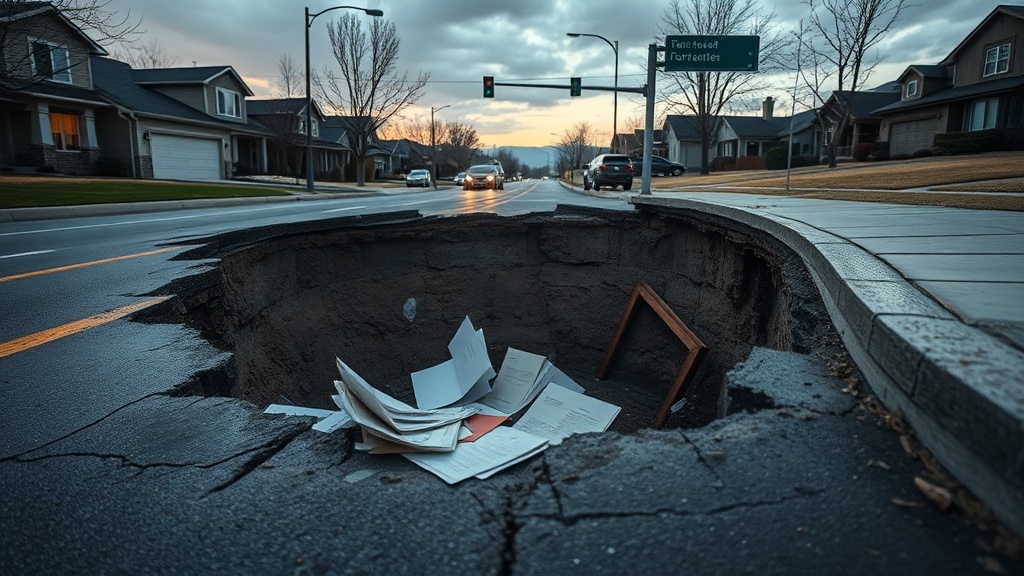
You should never skip a title search before closing because it’s your first and best line of defense against costly surprises—think hidden liens, boundary disputes, or even someone else claiming your property.
Imagine closing a deal and then learning about a decades-old debt attached to your new investment.
Title searches uncover issues early, confirm legal ownership’s rock solid, and keep your project free from legal headaches.
Want to know how savvy pros safeguard their deals every time?
Verifying Legal Ownership and Chain of Title
Before you close on any property, you need to be absolutely certain who truly owns it—because in real estate, just one missing signature or an overlooked deed can derail your entire investment strategy.
Have you ever noticed how savvy investors pair property inspections with chain of title reviews? It’s not just best practice—it’s protection. By examining deeds, leases, and public records, you confirm that the seller has the unquestionable right to transfer ownership.
A solid chain of title reveals the complete history of a property, validating every handoff. Spotting inconsistencies early protects you from legal disputes that could cost you dearly down the road, especially as market trends shift. In many cases, a proper title search will also uncover undisclosed liens or encumbrances that could otherwise become your responsibility after closing.
Want to stay ahead of common mistakes? Always put legal clarity first before sealing any real estate deal.
Uncovering Liens, Debts, and Hidden Financial Risks
Clear ownership on paper doesn’t always guarantee a clean slate—plenty of investors have been blindsided by hidden financial liabilities lurking beneath the surface.
Imagine closing on what looks like a great deal, only to discover decades-old tax liens, judgment debts, or mechanic’s liens that threaten your investment. These financial ghosts undermine your property valuation and can expose you to real estate scams if not detected early. In today’s market, a surge in falling asset prices among major real estate investment trusts (REITs) underscores how quickly property values and associated risks can shift beneath the surface.
It’s not just what you can see—unrecorded debts or improperly filed encumbrances often elude standard searches, making comprehensive lien investigations absolutely vital. Incomplete or outdated records in official databases can easily cause you to overlook crucial liens or recent ownership changes that dramatically alter the true status of a property.
About one in five closings could involve such hidden risks, creating unexpected costs long after the sale.
Can you afford to gamble with hidden liabilities that might derail your property’s true worth? Always demand exhaustive diligence.
Preventing Disputes and Legal Challenges
Even a single misstep in the title search process can leave you entangled in costly disputes or disruptive legal challenges that threaten your investment. Imagine closing on what you believe is a sound property—only to face lawsuits due to missing heirs, forged deeds, or boundary clashes exacerbated by market fluctuations. Insurance pitfalls become real if underlying title defects go unnoticed, leaving you exposed instead of protected. Proactive due diligence shields you not just from litigation, but also from financial and reputational losses. Since liens stay with the property even when they are associated with a previous owner, failing to identify them can mean you unexpectedly inherit someone else’s unpaid bills or debts.
| Prevention Method | Common Issue | Protective Outcome |
|---|---|---|
| Title Search | Incomplete records | Unearth hidden claims |
| Legal Counsel | Disputed ownership | Prevent litigation |
| Updated Surveys | Conflicting boundaries | Clarify property lines |
Would you risk your portfolio’s integrity for an unchecked title?
Understanding Restrictions and Use Limitations
Although a property might appear to offer limitless possibilities, the fine print woven into its deed can quietly dictate what you can—and can’t—do with your investment. Restrictions rooted in historical property records aren’t just relics of the past; they’re legal boundaries that can shape your project’s future. It’s especially important to note that these zoning regulations may affect not only additions like ADUs but also future property value and potential uses.
If you’re hoping for flexibility, it’s essential to examine how community standards and deed restrictions impact potential plans. Deed restrictions often limit property changes in ways that aren’t obvious at first glance, and these limitations can have a lasting impact on both your use and the value of the property.
Here’s what to consider:
- Research historical property records—they often reveal limits on building height, style, and permitted uses added by developers or HOAs.
- Recognize that community standards—sometimes enforced by HOAs—can govern everything from paint color to landscaping and vehicle types.
- Understand the legal stakes—violating restrictions can trigger lawsuits, fines, or forced changes.
Do your homework upfront; surprises can be costly.
Safeguarding Your Investment and Ensuring a Smooth Closing
When you’re preparing to close on a property, have you considered what’s truly at stake if the title isn’t airtight? Skipping a title search can put your investment and peace of mind at serious risk. A thorough look into the property history doesn’t just provide ownership verification; it also safeguards you against undetected liens, unresolved disputes, or fraudulent claims that could surface after closing. Title searches and insurance are critical to enabling trust and confidence in property transactions. Imagine years later discovering an old lien or a hidden heir with a claim—that’s a financial and legal nightmare. Evaluating potential risks, much like addressing drainage in landscaping, is essential for long-term security and avoiding costly setbacks in your property investment. Proper due diligence ensures the seller is the lawful owner, and any outstanding obligations are caught before your money’s on the line. By verifying the chain of ownership now, you’re investing in a smooth, secure closing—and a future free of unpleasant surprises.
Assessment
Skipping a title search is like diving into murky waters—it can quickly turn your investment dream into a costly nightmare.
Why take the gamble when a thorough title search can reveal hidden issues, like liens, disputes, or use restrictions, before they wreck your deal?
Think about it: you wouldn’t buy a car without knowing its history, right?
Your property deserves the same level of care and diligence.
Investing a little time now can help you dodge legal landmines later.
Isn’t protecting your business—and your peace of mind—worth it?
Don’t leave it to chance; make sure you conduct a comprehensive title search before closing.





















4 Responses
Interesting points, but arent title insurances just a scam to up real estate costs? Arent public records enough for verifications? Lets debate.
Yeah, but what if the title search itself is flawed or incorrect? Isnt that just a false sense of security then?
While I see the logic behind title searches, it seems like unnecessary paranoia. Are property disputes really that common to merit such paranoia?
Better safe than sorry. Property disputes can become financial nightmares!