



Project Delays Impact Seattle’s Ambitious Development Pipeline
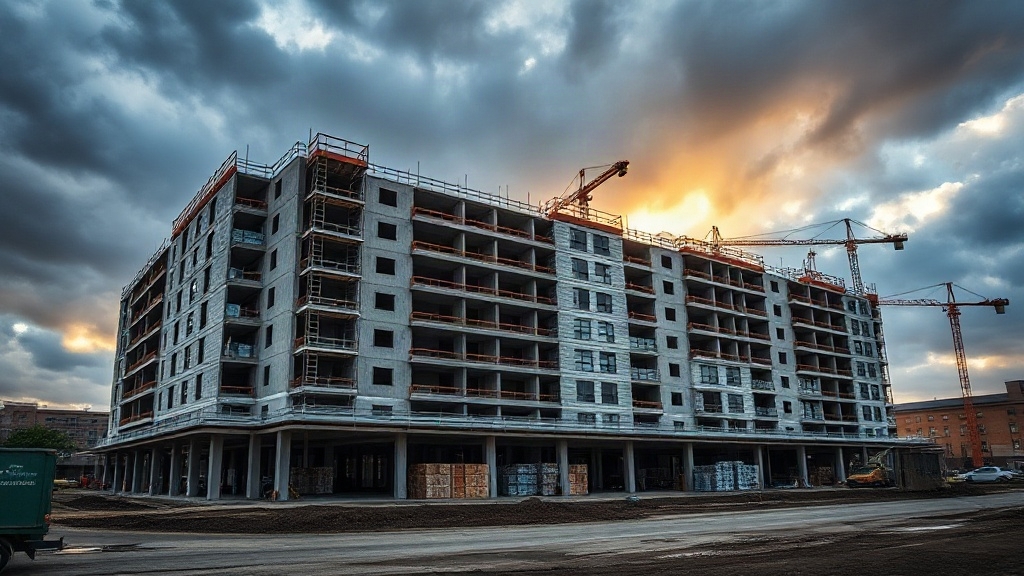
Seattle’s ambitious development pipeline is under increasing pressure from various economic challenges. Over 34,000 potential housing units are at risk as more than 3,000 projects face delays and regulatory issues.
The construction industry is still dealing with the legacy effects of the pandemic. These effects have disrupted project timelines throughout the city. As rising labor and material costs hinder development, developers are unable to meet growing demand, exacerbating market scarcity.
High interest rates and persistent inflation add to these challenges. Developers are experiencing financial strain as they navigate a volatile market.
Regular updates to the Seattle Building Code create additional regulatory hurdles. These updates require significant redesigns for ongoing projects when permits expire. The city is considering a two-year extension on existing permit applications to help developers avoid costly redesigns.
Legal disputes over zoning modifications create more uncertainty. This further complicates planning initiatives in the development sector.
Infrastructure delays, like those affecting the I-5 Revive Project, show broader municipal challenges impacting private developments.
Despite some increase in housing market activity, these factors continue to undermine Seattle’s development efforts.
Financial Pressures Force Major Developers to Halt Construction Plans
Tightening credit markets and soaring construction costs are having a significant impact on Seattle’s largest residential developers. They are abandoning projects worth hundreds of millions of dollars. The recent housing market decline in March 2025 has exacerbated economic uncertainty, adding to the challenges faced by the industry. This marks the most severe construction halt in the city’s recent history. Financial constraints have reached critical levels as lenders impose stricter standards. They also demand higher equity commitments from developers.
Construction costs continue climbing due to persistent material inflation and labor shortages. Meanwhile, elevated interest rates are slashing profit margins on new developments. Developer strategies now focus on survival rather than expansion.
They are extending project timelines to avoid costly redesigns under new building codes. There are strategic pauses on marginal developments until market conditions stabilize. Capital is concentrated in proven high-return submarkets like Bellevue and Redmond. The region’s ambitious Sound Transit 3 expansion, approved by voters in 2016, will eventually bring light rail connections to these outlying areas.
Aggressive value engineering is used to reduce construction expenses through design modifications. The construction finance squeeze has triggered a 60% year-over-year decline in new multifamily starts.
Investment capital increasingly flows toward Southern metros. This leaves Seattle developers scrambling for increasingly scarce funding sources.


Housing Supply Crisis Worsens as Megaprojects Face Extended Timelines
Seattle’s housing shortage has reached catastrophic proportions. Megadevelopers are retreating from commitments, leaving an already inventory-starved metropolitan area facing a bleaker supply outlook.
The Seattle-Tacoma-Bellevue region struggles with a deficit of 71,060 homes. This represents 4.2% of the total housing stock. Extended construction timelines mean these shortages will persist for years.
Major developments face indefinite postponements. Developers are burdened with limited financing options and volatile market conditions. High construction costs and regulatory complexity compound delays.
Class B and C properties show significant potential for growth despite current market challenges, as shown by rental markets like Atlanta that have managed to thrive.
Seattle’s ambitious social housing initiative aims to build 2,000 units over a decade. However, current production rates drastically fall short of demand. Community feedback reveals growing frustration.
Promised developments are vanishing from construction schedules. Market-driven barriers continue to undermine large-scale projects. This persists despite Washington state’s 2023 upzoning law.
Developer risk assessment has shifted dramatically. Unstable conditions prompt widespread project suspensions across the metropolitan area. The future outlook remains uncertain.
Market Conditions and Regulatory Challenges Stall High-Rise Developments
Investor confidence is showing signs of recovery in Seattle’s core markets. However, high-rise development projects are facing significant obstacles from regulatory complexity and volatile financing conditions.
High interest rates have led to a market correction. This correction has dramatically slowed the development pace across the region.
New rent control measures at the state level compound existing regulatory hurdles for developers. Seattle’s constrained housing supply is partly due to tight zoning regulations.
These regulations create barriers for large-scale projects. South Lake Union faces oversupply challenges due to high condo density and ongoing construction activity.
Development trends show buyer preferences are shifting. There is a notable movement away from downtown high-rises toward suburban alternatives.
The median multiple continues to rise, signifying a worsening affordability crisis, affecting development strategies and housing market stability.
The regulatory environment highlights four critical challenges:
- Zoning complexity restricts project scope and limits flexibility.
- State-level rent control creates uncertainty for rental developments.
- Financing volatility delays project approvals and groundbreaking efforts.
- Permitting delays extend development timelines noticeably.
Cap rate compression of 30 basis points indicates renewed confidence in downtown Seattle. However, regulatory uncertainty continues to hinder the advancement of megaprojects in the metropolitan area.
This ongoing uncertainty stifles progress despite some positive market signals. High-rise developments, therefore, remain stalled amidst these challenges.
Assessment
Seattle’s development sector is facing cascading delays, highlighting broader structural challenges. These issues threaten the region’s growth trajectory.
Market volatility, regulatory bottlenecks, and financing constraints are squeezing major developers. These challenges are affecting multiple projects across the area.
Setbacks are compounding existing housing shortages. This creates ripple effects through construction employment and municipal revenue streams.
Industry observers warn that prolonged project suspensions could reshape Seattle’s skyline ambitions. Affordable housing delivery timelines could be affected for years ahead.




















8 Responses
Seattles Megadeveloper woes are just karma for years of prioritizing profits over sustainable, affordable housing. #HousingForAll not just for the rich.
Guys, isnt it ironic? Developers pausing projects might just give Seattles overworked construction crews a well-deserved breather! Silver linings, eh?
Honestly, maybe these delays are a blessing. Its about time we reassess this rampant overdevelopment and its impact on local communities, right?
Cant help but wonder, maybe Seattles housing crisis is karma for all these developers prioritizing profits over people? 🤔 Just food for thought.
Is anyone else thinking these stalled mega-projects might actually slow Seattles skyrocketing cost of living? Silver lining, maybe? 🤔🏗️🏢
Perhaps these delays are a blessing? Maybe the universe is telling us to rethink our overdevelopment strategies. Less concrete, more nature!
So, are we ignoring how these delays might actually encourage more sustainable, community-driven developments? Just a thought…
Maybe Seattle should focus less on skyscrapers and more on affordable housing? Just a thought for the Megadeveloper folks…🤷♂️