


Why Charlotte Commercial Real Estate Is Rising
Few U.S. markets are climbing as quickly as Charlotte, where investor demand, job growth, and tightening space availability are converging to lift commercial real estate fundamentals.
Charlotte’s rise reflects both local expansion and national attention. Rising home prices and high mortgage rates are also supporting multifamily demand through rental affordability advantages that keep more residents in the leasing market.
The city ranked fifth in CBRE’s 2026 Investor Intentions Survey, up 13 spots, as capital inflows intensified and 95% of investors planned to buy as much or more property in 2026. Charlotte’s metro area added 37,600 jobs in 2025, a second nationally ranking that reinforces the market’s commercial momentum.
A population influx tied to corporate expansions, infrastructure projects, and new job announcements is also increasing demand for modern office and industrial space.
Leasing momentum has strengthened as new-to-market tenants absorb available space.
At the same time, improving office rents, low industrial vacancy, strong retail occupancy, and projected investment returns of 7% to 12% are reinforcing confidence in Charlotte’s commercial outlook.
Which Charlotte Submarkets Are Tightening Fastest
Across Charlotte, pressure is concentrating fastest in Southwest Charlotte, North Charlotte, Uptown-South End, Ballantyne, and the UNC Charlotte area. Investor demand, rapid inventory growth, and shrinking top-tier availability are all colliding.
Southwest Charlotte added 9,600 units since Q3 2019, lifting stock 54 percent. Even so, scarcity is intensifying as prime locations draw investors and Class A full-floor options thin.
North Charlotte grew 50.5 percent with nearly 7,000 units completed. But concentrated demand is steadily reducing choices.
Premium Space Contracts
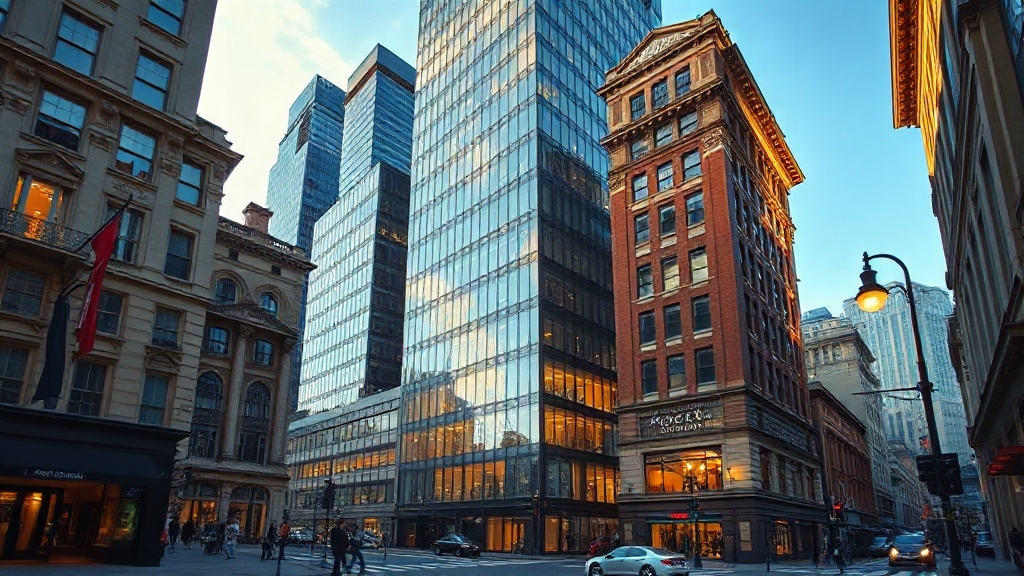
Uptown-South End is tightening despite 10.3 percent projected growth next year. The flight to quality is making top-tier space harder to secure while rents rise from already elevated levels. Similar conditions in growth-oriented markets are often reinforced by economic diversification, which supports long-term investor confidence and business expansion.
Ballantyne is seeing similar strain in high-quality assets. Around UNC Charlotte, absorption is keeping pace with supply, helping vacancy remain near 8.2 percent despite major expansion.


Where Charlotte Industrial Demand Is Growing
Driven by rapid in-migration, job creation, and expanding logistics infrastructure, Charlotte industrial demand is strengthening most visibly near major transportation corridors, airport-linked distribution nodes, and outlying county submarkets with room to build.
Growth is clustering around west-side logistics assets tied to Charlotte Douglas International Airport, the expanding intermodal terminal, and new freight-oriented projects. These areas benefit from cargo capacity, interstate access, and proximity to East Coast markets.
Outlying counties are also gaining share. Gaston County led second-quarter demand, while Rowan and Lancaster offer developable land for larger facilities and final-mile hubs.
Population growth, including 57,300 net new residents, is pushing industrial users closer to expanding residential bases and workforce housing. Tenant tours totaling nearly 18.5 million square feet indicate broadening geographic interest.
How New Charlotte Supply Is Changing Vacancies
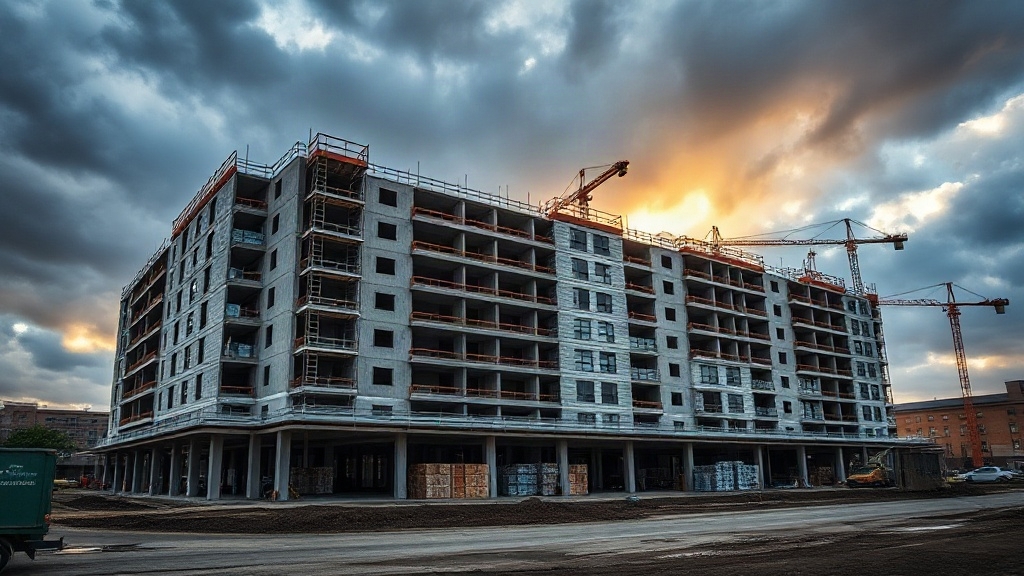
Amid an unusually heavy construction cycle, Charlotte vacancies are rising fastest in property types absorbing the largest wave of new deliveries.
In apartments, inventory growth reached 7.8 percent through Q1 2025 after 17,914 units delivered. A peak 8.4 percent annual expansion is expected in Q2 2025.
That scale is driving apartment saturation in submarkets receiving the most units. The biggest pressure is in Southwest Charlotte, Uptown-South End, and North Charlotte.
Vacancy Divergence Across Sectors
Multifamily vacancy rose to 8.2 percent in Q3 2025 even as absorption stayed positive for an 11th straight quarter. This shows supply is outrunning demand in the near term.
Industrial vacancy also widened sharply, reaching 11.6 percent in January 2026 from 7.2 percent a year earlier. The largest pressure is concentrated in big-box space.
This vacancy divergence reflects how new supply is reshaping market balance across Charlotte.
What Charlotte CRE Investors Should Watch Now
Track where fundamentals are tightening and where excess space still threatens pricing power.
In Charlotte office, concentrated demand for large blocks in core submarkets, rising rent benchmarks, and scarce full-floor options in prime towers signal continued strength. Population growth and financial services hiring support that trend.
Capital Pressure and Infrastructure Shifts
Industrial conditions remain favorable as supply-demand imbalance compresses vacancy, while municipal restrictions limit new development. Investors still need caution in infill multi-tenant projects, where oversupply should take time to normalize.
Tighter capital markets are pushing more buyers toward creative financing, including seller financing, partnerships, and equity leveraging. Asset quality, cash flow protection, and lender relationships remain central.
Transit impacts also deserve attention. The 2030 Transit Plan and related infrastructure spending may raise values, reduce parking needs, and widen the gap between high-rise and mid-rise performance.
Assessment
Charlotte’s commercial market remains uneven, with tightening conditions in select submarkets colliding with rising vacancies elsewhere.
Industrial demand continues to favor logistics-linked corridors, while new deliveries are testing pricing power in office and multifamily-adjacent nodes.
The result is a more fragmented investment environment shaped by supply timing, tenant migration, and capital discipline.
Near-term performance is likely to depend less on metro-wide momentum and more on asset quality, location-specific demand, and lease rollover exposure.