
What Is the $11M Publix West Palm Deal?
In West Palm Beach, an $11 million Publix land deal centers on a planned grocery development at 202 to 206 North Sapodilla Avenue.
The transaction combines a 2.3-acre purchase from Related Ross affiliates and a separate 0.8-acre city parcel priced at $3.5 million.
Related Ross assembled the broader properties for $15 million in 2022, including land acquired from Florida Public Utilities Company.
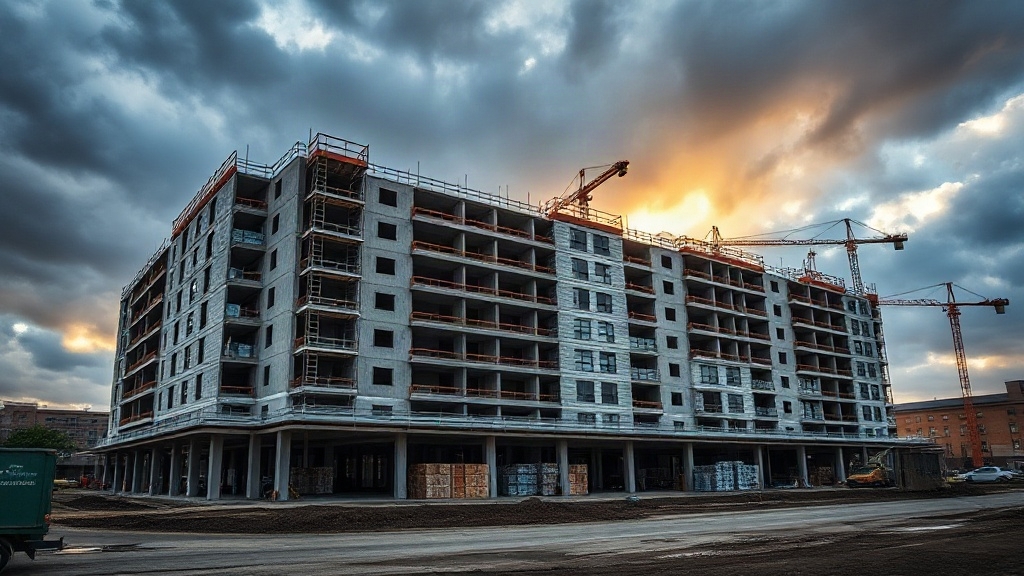
Plans call for a roughly 40,000-square-foot store with covered parking, designed by Alleguez Architecture. Similar Florida redevelopment efforts, such as Tampa’s transit-oriented development projects, show how mixed-use planning can strengthen long-term retail demand.
City commissioners approved the municipal sale on first reading, with a final vote set for March 16.
Completion is projected by June 2028.
A restrictive covenant requires grocery operations for 15 years, shaping lease terms and long-term market positioning.
The project also aligns with Publix’s broader South Florida investment strategy amid strong grocery-anchored retail demand and low vacancy. South Florida investors continue targeting grocery-anchored centers for their steady foot traffic and resilient rents.
Where Publix Is Buying in West Palm
Across West Palm Beach, Publix already operates a network of stores that frames the market it is expanding into. Its downtown presence is anchored by Publix at CityPlace, 375 South Rosemary Avenue.
Additional locations are on Haverhill Road North, Okeechobee Boulevard, and Southern Boulevard.
Existing Footprint Signals Direction
That footprint includes Paradise Place at 4075 Haverhill Rd N and Palm Beach Plaza at 6820 Okeechobee Blvd. Shoppes at Andros Isle at 8989 Okeechobee Blvd and Southdale Shopping Center at 828 Southern Blvd add to the spread.
These stores combine supermarket staples with pharmacies, nutrition programs, meal planning resources, delivery access, and customer service support.
Investor appetite is also being reinforced by limited inventory trends shaping broader Palm Beach real estate activity.
Market Reach and Local Pressure
Taken together, the locations show Publix targeting both downtown convenience and car-oriented neighborhood centers.
That pattern helps explain investor interest in grocery expansion and its likely neighborhood impact.
How Related Ross Is Changing the Block
At the center of West Palm Beach’s next redevelopment wave, Related Ross is advancing a nearly $10 billion South Florida investment strategy. That strategy is rapidly reshaping the blocks around downtown and the Brightline station.
Led by Stephen Ross, the company is concentrating office, residential, retail, dining, and public space projects within a tightly connected district. Its offices sit on the same block as Brightline, placing planning and execution at a key mobility hub.
Nearly one million square feet is rising at 10 and 15 CityPlace, along with public plazas. Transit-linked upgrades include rail coordination, overpass work, and easier access to downtown.
Nearby mixed-use activity, including Nora, is also reinforcing community activation and streetscape improvements. Together, these moves are changing how the area functions, looks, and connects for residents, commuters, businesses, and visitors alike.
Why West Palm Development Demand Is Rising
Mounting demand in West Palm Beach development is being driven by a structural convergence of wealth migration, corporate expansion, and improved regional connectivity.
Tax migration continues to pull high earners from New York and California, reinforcing Palm Beach County’s exceptional taxable income gains.
More than $3 billion in income arrived with newcomers in 2023, indicating a durable shift rather than a seasonal surge.
Corporate Presence Reshapes Housing Needs
Corporate relocation has added another layer of demand. Dozens of companies expanded or moved into the county between 2024 and 2026, while firms such as BlackRock, Goldman Sachs, and Microsoft established local footprints.
Executives increasingly favor full-time residences near offices, airports, and Brightline access.
At the same time, limited modern inventory, finite waterfront supply, and rising preference for full-service luxury projects keep development pressure elevated.
What the Deal Signals for Downtown West Palm
In practical terms, the $11 million retail deal points to a downtown West Palm market that is widening beyond isolated transactions into a more coordinated mixed-use expansion.
That signal is reinforced by Nora, CityPlace, and Echo. Together, they show retail, office, hospitality, and parking assets moving in sync.
The pattern suggests stronger urban vibrancy and improving transit connectivity. North Railroad Avenue is helping extend Nora toward the downtown core.
Nora is adding adaptive-reuse retail, a 201-room hotel, and 25 ground-floor tenants by 2025.
CityPlace is locking in 125,000 square feet of premium leases, led by Eataly, Equinox, and Reformation.
Echo’s $45.7 million sale shows renovated mixed-use assets remain liquid and relevant downtown.
Taken together, the market appears to be evolving into a more continuous, destination-oriented district. It also points to broader investor confidence.
Assessment
The $11 million Publix acquisition underscores intensifying competition for well-located retail real estate in West Palm Beach.
The transaction reflects rising confidence in grocery-anchored assets as downtown development accelerates and investor demand tightens.
With major mixed-use projects reshaping nearby blocks, the deal points to mounting land constraints, higher pricing pressure, and a more contested acquisition environment.
For downtown West Palm, the purchase signals that neighborhood retail sites are becoming increasingly strategic and harder to secure.