


Enhancing Access and Community Engagement
In the South Bronx, libraries are emerging as vital community pillars. They function as hubs of community literacy and offer more than just books. These institutions provide a wealth of digital resources accessible to all residents. Library initiatives address diverse community needs by offering tailored classes and workshops. Programs cater to immigrants, people with disabilities, and the homebound. This approach effectively bridges the gap in digital literacy skills. Programs like NYPL’s Community Conversations enhance engagement. They facilitate topic-driven discussions that address neighborhood needs. By partnering with local partners, Street Lab Initiatives plan to strengthen neighborhoods through pop-up street activities, further enhancing engagement and community connections. Libraries also benefit from innovations such as VR technology, enabling virtual access to resources and expanding their reach. By partnering with local schools and community organizations, libraries extend their outreach. This promotes educational advancement and inclusive community engagement. These efforts highlight libraries’ essential role. Empowering residents through access to knowledge and technology is their key mission.
Strategic Development and Urban Renewal
As South Bronx undergoes a transformation through strategic development and urban renewal initiatives, the library rebuild projects emerge as keystones in this metamorphosis.
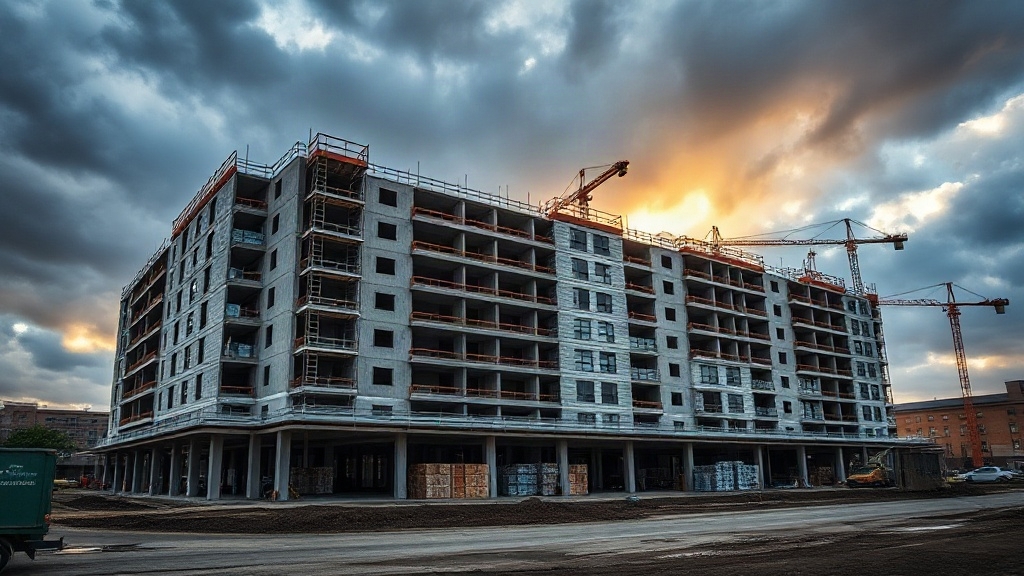
These projects are strategically positioned near transit hubs and essential community assets. This facilitates enhanced accessibility and seamless neighborhood integration. To address the housing crisis, up to 850 apartments, including affordable units, are planned, showcasing the integration of residential solutions with public resources.
The implementation of zoning changes further promotes mixed-use developments. Libraries are incorporated alongside affordable housing options. Penn’s strategy in University City, which includes renovating older properties, highlights a similar approach in transforming community spaces for comprehensive urban planning.
Collaboration between city agencies, nonprofits, and private developers occurs through public-private partnerships. These partnerships guarantee funding, local hiring, and adherence to affordability targets.
Policy frameworks, such as the Sustainable Communities initiatives, guide these endeavors. They ensure streamlined processes and alignment with citywide goals.
Economic revitalization follows suit, with local economies benefiting from increased foot traffic. Revitalized public spaces contribute to this economic uplift.
Through these targeted efforts, South Bronx takes strides toward an enduring urban renaissance.


Integrating Housing With Public Infrastructure
Integrating housing with public infrastructure is a transformative urban development model. It presents both significant opportunities and challenges.
The library-housing integration model is a prime example of successful collaboration. Here, housing is combined with public facilities for mutual benefit.
Key aspects include multifunctional developments. Projects like the Grand Concourse and Bloomingdale utilize available land efficiently. They stack residential units above modernized library spaces.
Community benefits are significant. Residents have immediate access to educational resources, technology, and community programs.
Strategic collaborations are essential. Initiatives by the New York Public Library and NYC Department of Housing Preservation and Development showcase effective public-private partnerships.
There’s a strong focus on sustainability. Projects like the LEED-certified Grand Concourse Passive House emphasize energy efficiency. They incorporate green infrastructure practices.
These collaborations foster sustainable urban environments. They also address critical housing needs.
Naples, Florida, known for its high-quality healthcare, exemplifies the potential of urban planning that balances community facilities with residential needs while enhancing the quality of living for particular demographics such as retirees.
Assessment
The ambitious South Bronx project exemplifies a forward-thinking approach. It combines urban renewal with community development.
By seamlessly integrating 100 new homes into the library rebuild, the initiative sets a precedent for infrastructure that serves both individual and communal needs. This fusion considerably boosts access to resources while meeting housing demands.
It illustrates a transformative model for future city planning projects. As neighborhoods evolve, strategic designs like this will surely reshape urban environments across the nation.