


Office Properties Acquired
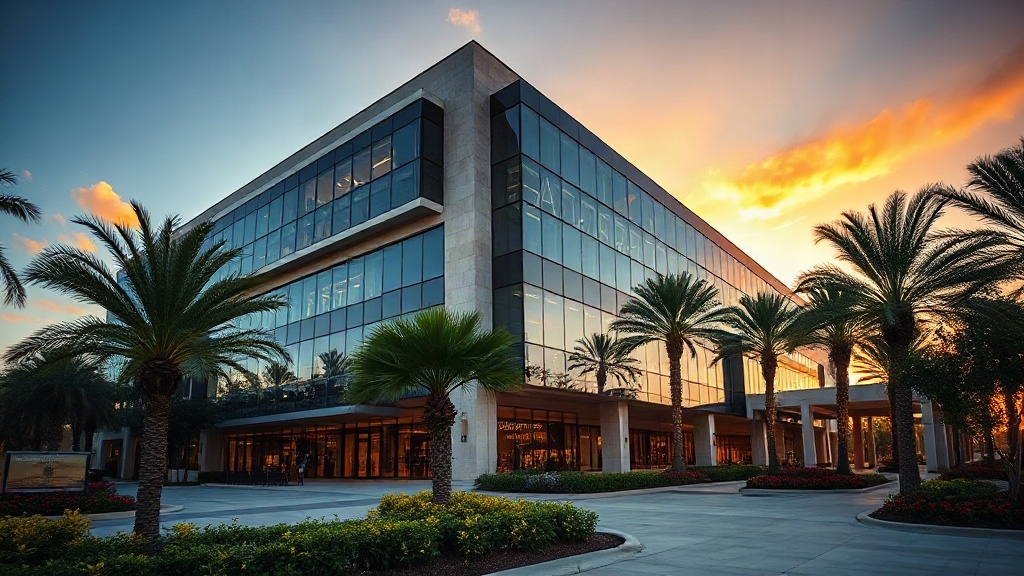
As part of its strategic expansion in 2025, Apple Inc. has strengthened its presence in Cupertino. This was achieved through the acquisition of two significant office properties on Stevens Creek Boulevard.
The addresses involved are 19319 and 19339 Stevens Creek Blvd. Together, these properties offer approximately 266,500 square feet of office space.
These properties were existing office buildings previously leased by Apple. This move marks a shift from leasing arrangements to ownership.
In recent years, Apple’s real estate footprint in Santa Clara County has exceeded $1.1 billion, showcasing a commitment to long-term investments in the region.
This acquisition aligns with Apple’s goal of consolidating operations near its core Cupertino campus. It shows a preference for acquiring already occupied spaces over speculative ventures.
The transaction for these properties is valued at $216 million. It highlights Apple’s strategic focus on securing its real estate assets while ensuring continued occupancy within Cupertino’s competitive market.
Buying Spree Overview
Apple Inc.’s aggressive acquisition spree in 2025 has set a stunning precedent in the real estate market. More than $1.1 billion was spent on office properties across Santa Clara County.
This movement reflects a significant real estate trend and strategic investment for the technological giant. Since June 2025, substantial funds have been allocated to key purchases.
The phenomenal expansion spans over 1.5 million square feet. The two newly acquired office buildings are strategically located near Apple Park and enhance the company’s innovative and collaborative potential.
| Location | Amount Spent | Total Square Feet |
|---|---|---|
| Stevens Creek Boulevard | $216 million | 266,500 |
The spree has strategically targeted select office properties, aligning with their investment strategy aimed at nurturing innovation. Santa Clara Valley remains pivotal in Apple’s geographic and economic footprint.


Seller Information
In a bold move, Sand Hill Property Co., led by president Peter Pau, has emerged as a significant player in Apple’s latest real estate acquisitions. The transaction, valued at $216 million, hints at a possible motivation from the seller to capitalize on the strategic importance of the properties’ proximity to Apple Park. Previously leased by Apple, the sale involved two office buildings on Stevens Creek Boulevard. These buildings total 266,500 square feet. The implications of this transaction reflect Sand Hill Property Co.’s effective real estate strategy. They successfully converted long-term leases into an all-cash deal. {In recent years, the commercial real estate decline has pressured sellers to liquidate assets strategically.} This transaction holds substantial implications for both parties. It enhances Apple’s Bay Area footprint and allows Sand Hill Property Co. to reap benefits from its holdings’ escalated value. The deal emphasizes strategic relinquishment by the seller group.
Market Context and Competition
The sale of the Stevens Creek Boulevard properties aligns with broader market dynamics. These shifts are reshaping the Bay Area’s real estate environment.
The rise of AI-related activities fuels this transformation. Major expansions and the quest for premier office spaces are also contributing factors.
In San Francisco, the competitive atmosphere intensifies. This is due to increased AI leases and tech job growth.
A surge in demand for technology-enabled and environmentally sustainable buildings is evident. This highlights key market trends shaping the industry.
| Trends | Impact |
|---|---|
| AI Leases Surge | Significant expansion of tech companies |
| Premium Office Demand | Uptick in leasing quality trophy spaces |
| Market Recovery | Strengthening with rising leasing confidence |
The push for cutting-edge infrastructure is essential. It underscores San Francisco’s leadership in the competitive atmosphere.
These developments continue to set a benchmark. The city remains a leader in innovation and sustainability.
Assessment
Apple’s aggressive real estate acquisition signals its strategic ambitions. In a competitive market, it faces evolving workplace dynamics.
As Cupertino’s tech giant secures key office properties, it navigates through market fluctuations. The competition remains fierce.
This billion-dollar spree disrupts the sector. It challenges industry norms and influences property values in major urban centers.
Such bold moves underscore the high-stakes nature of real estate investments. This occurs amid rapid technological advancements and shifting business paradigms.