

Market-Wide Rent Levels and Dynamics
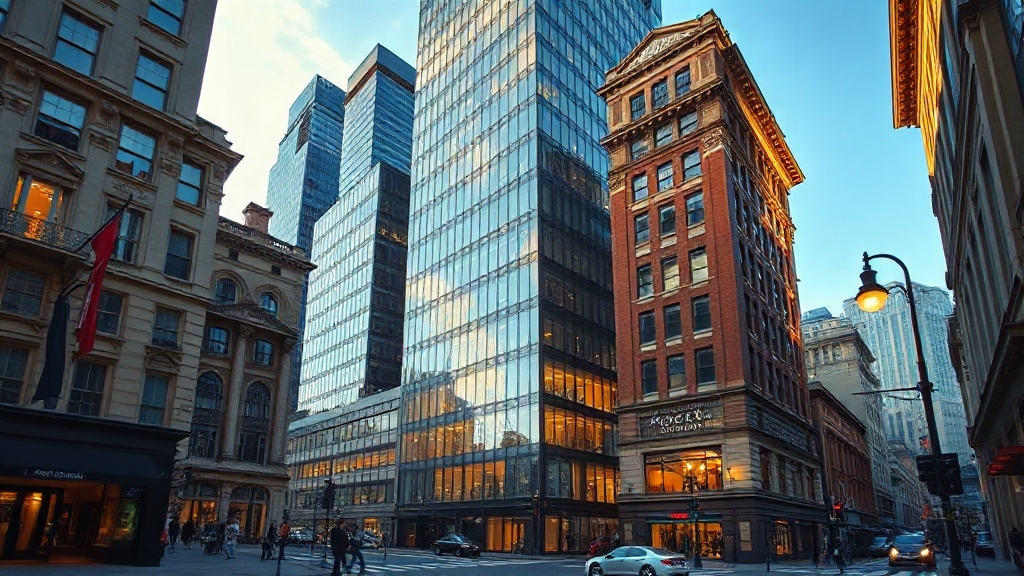
Manhattan’s rental market is experiencing an unprecedented surge. Median rents have climbed to historic highs, reaching nearly $4,800 in November 2025. This significant increase illustrates the intense escalation in market trends, highlighting pressing issues of rental affordability. The influx of affluent new residents has contributed to this pressure, pushing up demand for luxury rentals and driving prices higher. This record-setting year has seen a 13% year-over-year rise in median rents, demonstrating a rapidly evolving environment. Downtown Manhattan led the charge with a 14.8% rise in rent prices. The top 10% of apartments saw an even more substantial increase, surging by over 17%, which illustrates significant disparities. Average rents have also scaled upwards, reaching a peak of $5,686, marking a 13% annual rise. For professionals observing these trends, the dynamics underscore growing challenges. Maintaining affordable housing has become increasingly difficult amidst sky-high demand and soaring rental rates. This period appears to define an era of steep rental inflation.
Vacancy Rates and Supply Constraints
A significant shift in vacancy rates and supply constraints defines the current environment of Manhattan’s rental market.
A record low vacancy rate of 1.56% in September 2025 highlights tightening conditions driven by persistent supply shortages. This figure declined from August’s 1.84%, showcasing a focused trend causing decreased market flexibility. Rising rates elsewhere may lead cash investors to seek opportunities in distressed property in areas with more enticing properties available at discounted prices.
Intensifying the challenge:
- Double-digit annual inventory decline evokes urgency as listings plummet by 20% from the previous year.
- Reduction in available rentals stirs apprehension, as a 3% dip from August exacerbates scarceness.
As the median rent increased to $4,972, the combination of rising costs and limited availability further burdens tenants.
Submarkets’ mixed stability elicits concern, with uptown vacancies falling amid climbing rents.
Collectively, these vacancy trends signal a growing strain on renters, limiting options and driving a competitive atmosphere across the Manhattan setting.


High-Income and Institutional Demand Drivers
High-income tenant demand continues to be a pivotal factor in shaping Manhattan’s rental market. This demand exerts significant influence on pricing dynamics.
Luxury preferences among affluent renters have caused the median rent to reach $4,995 per month. This matches the record set in July, marking an 11% increase on an annual basis.
Institutional investing strategies further amplify this demand. They raise asking rents to offset broker fees in the wake of the FARE Act.
Luxury segments, including doorman buildings and exclusive neighborhoods, have seen notable rent hikes.
| Neighborhood | Average Rent November 2025 |
|---|---|
| Lenox Hill | $8,794 |
| Sutton Place | $7,468 |
| Lincoln Square | $7,422 |
| TriBeCa | $6,506 |
| NoHo | $6,410 |
Rising luxury rents highlight the competitive pressures within the market. Institutional strategies further elevate market dynamics in 2025.
Policy and Regulatory Challenges
The intricate web of policy and regulatory challenges presents substantial hurdles to Manhattan’s rental market dynamics.
Regulatory changes like the Good Cause Eviction Law and Housing Stability and Tenant Protection Act (HSTPA) of 2019 introduce complex policy implications.
These regulations cap rent increases, restrict certain evictions, and end practices that previously allowed unchecked rent hikes.
Details show diminished landlord flexibility, potentially stymying investment.
Increased compliance burdens, due to mandates like the FARE Act, are also evident.
Unintended vacancy issues arise as eviction backlogs lead to prolonged rent-free occupancy.
The dynamic of rising inventory levels, observed with increasing seller concessions in other major housing markets, parallels the challenges faced in the rental sphere, creating pressure on landlords operating within these regulatory frameworks.
While these legal frameworks aim to guarantee tenant protections, they add layers of complexity.
This influences the balance between affordability concerns and landlords’ operational dynamics.
Careful navigation is essential as new policies unfold.
Keeping track of these changes will help stakeholders effectively manage these challenges.
Socioeconomic Impact on Tenants
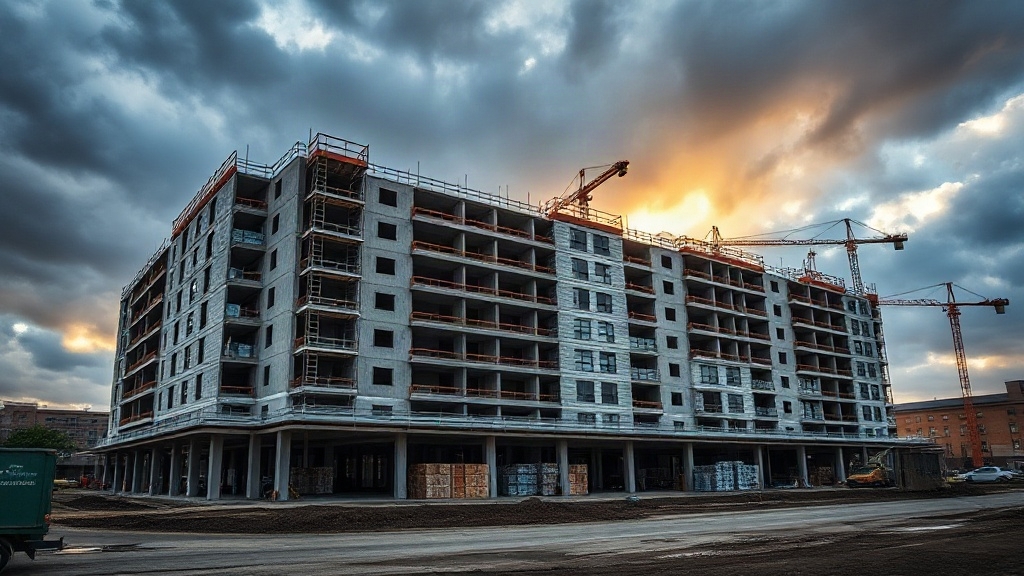
Rent turmoil shadows Manhattan tenants as financial pressures strain the city’s socioeconomic fabric.
With average one-bedroom rents surpassing $4,000 monthly, tenant struggles heighten. Rents consume over 30% of their income, far above the sustainable threshold.
Economic disparity is evident, with 46% of rent-stabilized tenants burdened. This rises to 84% among those below 50% AMI.
Displacement accelerates in areas like Harlem and Bushwick, driving long-term residents to outer boroughs.
Gentrification exacerbates economic disparity, resulting in higher eviction rates for low-income households.
As rents soar, financial insecurity affects vulnerable groups, particularly people of color and immigrants.
The widespread housing market crisis and regional distress contribute to this instability, affecting markets nationwide.
Chronic housing instability impacts mental health and employment.
Personal bankruptcies have increased by 14% since 2024.
These issues intensify tenant struggles and deepen disparities citywide.
Assessment
The skyrocketing rent levels in Manhattan signify a profound shift in the city’s housing dynamics. Vacancy rates are plummeting while demand is intensifying.
Supply constraints are becoming stark. High-income earners and institutional players exacerbate these pressures.
This leads to challenges in policy frameworks and regulatory measures. The socioeconomic impact on tenants is severe.
Urban fabric transformation is underway. Unchecked market forces highlight significant perils.
The future underscores a critical juncture for stakeholders. They must maneuver this relentless, distressing environment.