

Los Angeles Home Prices in Dec 2025: Down MoM, Mixed YoY
Although Los Angeles entered December amid typical seasonal slowing, the median home price fell sharply to $890,910.
That marked a 5.5 percent drop from November and a pullback from September’s peak near $983,230.
With mortgage rates near 8.1%, affordability pressures intensified for would-be buyers.
Redfin’s latest snapshot showed homes averaged 66 days on the market in December 2025.
Month over month shock
Heightened mortgage rate volatility and economic uncertainty coincided with weaker activity.
Pending sales were down 21.5 percent statewide from November.
Single family pricing slipped to $807,540 in the metro area.
Condos and townhomes posted broader California declines of 3.3 percent.


Mixed year over year signals
Year over year, the county median was 2.4 percent lower than December 2024.
Other trackers reported modest gains or larger declines.
These splits reflect methodology and property mix.
That complicates rental dynamics and tax implications for households and investors in 2025.
Inventory and Days on Market: Is LA Shifting to Buyers?
How quickly Los Angeles County’s supply picture has deteriorated for sellers is now visible in both listings and time on market.
December active listings fell to 11,526 from 13,428 in November, after an August peak of 15,258. Mortgage rates fell following the Fed cut in October, offering a modest affordability tailwind.
Listings Retreat, Still Elevated
Even with seasonal pullbacks, inventory remained 14.6% higher year-over-year.
That equals 2,836 more homes.
Inventory distribution is broadening as price reductions appear in higher-cost pockets such as Encino and Brentwood.
Time on Market Signals Weak Absorption
Homes averaged 66 days on market in December, up from 59 a year earlier.
This lengthening timeline indicates softer absorption rates, even with months supply at 3.7.
That’s nearing balance and slightly above the prior year’s 3.6. Nearby Santa Monica is already at 6 months supply, signaling how quickly adjacent coastal markets can settle into a balanced environment.
Inventory growth also outpaced sales growth.
Listings rose 17.38% versus 6.01% locally.
Why LA Home Prices Fell in December: Rates, Seasonality, Mix
As mortgage rate volatility intensified into year end, Los Angeles County’s median price fell 5.5% month over month to $890,910 from $942,610.
Elevated payments widened the ownership-rent gap, sidelining buyers.
Across markets, mortgage rates near 6% have cooled demand and left more listings sitting longer.
Economic uncertainty also weighed slightly.
Rates Shock Hits Demand
Statewide pending sales fell 21.5% from November as rate swings disrupted financing.
Credit tightening limited approvals and boosted cash needs.
Los Angeles homes averaged 66 days to sell.
Seller concessions rose as listings met fewer qualified bidders.
Winter Slowdown and Mix Effects
December’s winter pause compounded uncertainty, holding sales near 1,585 homes.
Inventory growth in Southern California added choice and pressure.
Seasonal softness delayed closings.
Fewer high-priced deals and more mid-tier sales pulled the median lower. Mix shifts can move medians even with steadier values.
LA Condo vs. Single-Family Prices: Where the Drop Is Sharper
Price pressure in Los Angeles is no longer uniform across property types. Investors cite permitting delays and shifting rules as reasons capital is moving to faster, more predictable markets.
Condos Show the Sharper Break
Condo prices were flat just under $700,000 in December.
Townhomes and condos were down over 28% year-over-year, reflecting shifting buyer demographics and the HOA impact on monthly outlays.
Inventory rose to 2.6 months.
Entry-level units slipped to about $525,000.
Downtown LA units near $718,000 in 2025 faced added remote-work headwinds.
Resale liquidity also slowed.
Single-Family Drops Look More Seasonal
LA County’s single-family median hit $890,910.
That’s down 5.5% month-over-month from November and 2.4% below December 2024.
Some broader single-family measures still show roughly 2.5% gains.
Pending sales fell nearly 40%.
West LA and Santa Monica stayed steadier.
Valley listings sat longer.
What 2026 LA Buyers Can Do: Leverage, Timing, Negotiations
Inventory-driven leverage is reshaping Los Angeles deal terms heading into 2026.
More sellers than buyers, plus rates above 6 percent, are muting competition.
Investors remain sidelined, preserving a rare, decade-level buyer window.
Elevated inventory in other major Sun Belt markets has already produced a buyers market, showing how fast pricing power can shift when supply builds.
Leverage and Timing Risks
Market Leverage
Rising inventory gives buyers more power on homes priced at market.
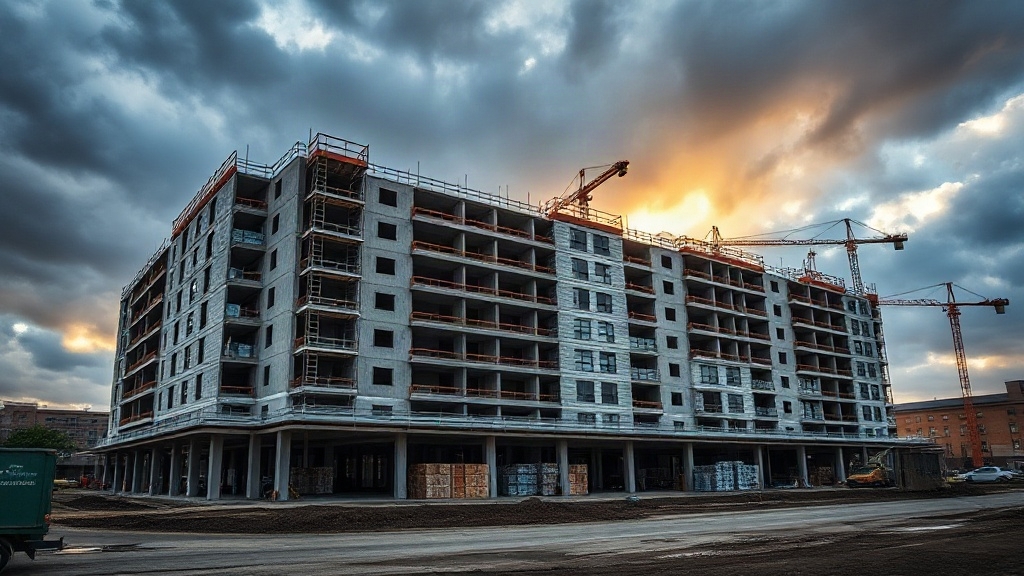
Supply is still constrained by zoning and build costs, which can limit how deep discounts go.
Rate Timing
If rates ease toward the low-6 percent range, activity can restart quickly.
Positioning may favor emerging neighborhoods and urban infill before they go mainstream.
Negotiations and Value Add
Deal Terms
With fewer bidders, negotiation tactics can focus on credits, repairs, and seller concessions—especially with motivated sellers.
Undervalued multifamily in strong school districts can benefit as new construction falls by about 70 percent.
Forced Upside
Value-add plans like ADUs, efficiency upgrades, and common-area refreshes can create appreciation beyond near-term market moves.
Assessment
December data showed Los Angeles home prices slipping month over month, extending a late year pullback.
Higher mortgage rates, seasonal demand drops, and a shifting sales mix weighed on closed prices.
Inventory and days on market edged higher, tightening seller leverage across several neighborhoods.
Condominiums faced sharper pressure than many single-family listings as affordability constraints persisted.
Entering 2026, negotiations increasingly reflected price sensitivity, appraisal scrutiny, and longer marketing timelines for both financed and cash-backed buyers.