

United States Real Estate Investor

United States Real Estate Investor

United States Real Estate Investor

United States Real Estate Investor

United States Real Estate Investor

United States Real Estate Investor

NYC Apartments Sit Empty as Rent Laws Squeeze Supply

Article Context

This article is published by United States Real Estate Investor®, an educational media platform that helps beginners learn how to achieve financial freedom through real estate investing while keeping advanced investors informed with high-value industry insight.

  • Topic: Beginner-focused real estate investing education
  • Audience: New and aspiring United States investors
  • Purpose: Explain market conditions, risks, and strategies in clear, practical terms
  • Geographic focus: United States housing and investment markets
  • Content type: Educational analysis and investor guidance
  • Update relevance: Reflects conditions and data current as of publication date

This article provides factual explanations, definitions, and strategy insights designed to help readers understand how investing works and how decisions impact long-term financial outcomes.

Last updated: February 17, 2026

PLATFORM DISCLAIMER: To support our mission to provide valuable resources and insights, United States Real Estate Investor may earn affiliate commissions from links or advertising featured in our content. Images are for informational and entertainment purposes only and may not be fully representative of people or places.

United States Real Estate Investor®
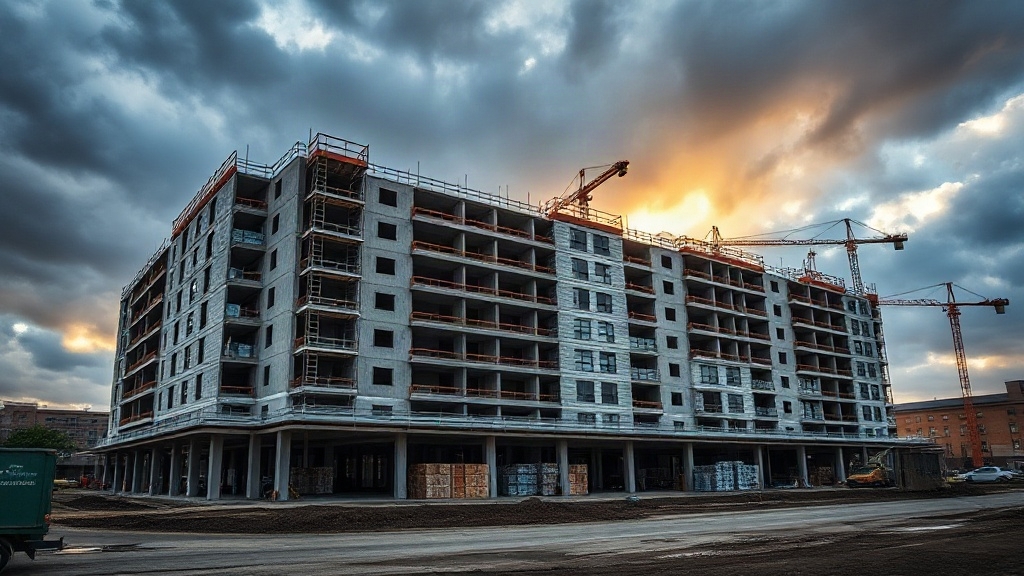
nyc apartments sit empty
Record-low vacancies persist as rent in NYC apartments law leave thousands idle. What unfolds next could reshape who can afford a home.
United States Real Estate Investor®

United States Real Estate Investor® News

Rent Laws and Their Impact on Supply and Tenant Mobility

How have New York City’s rent laws reshaped the housing market, altering both supply and tenant mobility?

The HSTPA era reduced incentives to renovate rent-stabilized units, increasing vacancy and warehousing of stock. This policy landscape has also driven record-low vacancy in stabilized housing, constraining options for tenants.

Some estimates suggest up to 43,000 rent-stabilized apartments could sit vacant under HSTPA, a figure that underscores the 43,000 units supply constraint.

Compliance costs and procedural burdens slow investment, while incentive effects discourage modernization.

Landlords withdraw units, sparking a tighter supply and more vacancies even as rents rise.

Public data show tens of thousands of stabilized units idle, depressing available affordable housing.

This idle stock reduces actual options for tenants seeking affordable rents.

  • Housing supply: Reduced as permits collapsed and owners withdraw units.
  • Vacancy dynamics: Vacancy rates near record lows in stabilized stock, warehoused apartments.
  • Tenant costs and mobility: Rents rise faster than wages, mobility constrained.

These dynamics shape compliance costs, limit investor confidence, and slow recovery.

Who Loses Most: Tenants, Landlords, and Neighborhoods

As policy shifts tighten rent regulations, the distribution of losses becomes sharply uneven among tenants, landlords, and neighborhoods.

Tenants face unresolved arrears due to eviction backlogs, and illegal overcharges threaten stability in rent-stabilized homes.

Frozen rents and debt costs worsen living conditions for long-term residents.

Landlords confront unsustainable annual increases amid rising taxes and expenses, while the 2019 HSTPA caps recoupment, pushing upgrades beyond reach.

Nearly 60% reduce investment willingness, and some properties deteriorate as funds for maintenance disappear, leaving units idle or neglected.

Neighborhoods risk abandonment and stock reductions, with conversions cutting about 15% of rental housing and warehousing affecting tens of thousands of units.

Historic preservation and transit access concerns magnify disinvestment when improvement incentives vanish for long-term residents and communities citywide.


Across New York City, vacancy dynamics set the stage for rent trajectories and turnover pressures.

Data methodology clarifies citywide versus borough results, while seasonal fluctuations influence leasing patterns.

NYC 2024 vacancy at 5.5%, and 2026 January metro at 4.6% below 5%.

Rent trends show Manhattan approaching $5,000 monthly in 2026, Brooklyn near $4,000, with overall rents up about 0.8% year over year in January.

One-bedroom averages around $3,950; two-bedrooms surpass $5,100, amid a modest supply expansion that supports pricing.

Turnover remains brisk in core markets, with fast absorption and short leasing windows.

Despite a national 41-day average length, New York shows rapid turnover backed by strong private-sector hiring and graduate mobility.

This sustains elevated rents and persistent demand while vacancy remains constrained for tenants.

Policy Levers to Alleviate the Vacancy Crisis

Why are policy levers being activated to ease New York City’s stubborn vacancy crisis?

The city pursues a multipronged approach to release stalled inventory.

Rent-stabilized units cap annual hikes, yet a reversal of the rent freeze raises concerns about further tightening supply.

Fast-track permitting and city-owned land utilization aim to accelerate construction finance and reduce delays.

Historic preservation considerations accompany new development, ensuring sensitive sites are balanced against mission to expand rental stock.

Eviction and vetting reforms seek to stabilize cash flow for small landlords while avoiding systemic vacancies.

Short-term rental limits remain, with policy adjustments intended to preserve long-term affordability and occupancy.

The balance between protection and supply hinges on data-driven evaluation, transparent oversight, and sustained investment in historic preservation and construction finance.

Assessment

The vacancy crisis in New York City persists as policy shifts, market realities, and demographic pressures collide. Analysts note that limited new supply, regulatory risk, and rising construction costs constrain affordability and mobility for long-term tenants.

Landlords face uneven demand and refinancing pressures, while neighborhoods experience shifting demographics and maintenance gaps. Without coordinated reforms, vacancy remains a structural drag on rents, investment, and civic resilience, threatening housing access for vulnerable households and the city’s vitality.

United States Real Estate Investor®

Leave a Reply

Your email address will not be published. Required fields are marked *

Thank you for visiting United States Real Estate Investor.

United States Real Estate Investor®

Information Disclaimer

The information, opinions, and insights presented on United States Real Estate Investor are intended to educate and inform our readers about the dynamic world of real estate investing in the United States.

While we strive to provide accurate, up-to-date, and reliable information, we encourage readers to consult with professional real estate advisors, financial experts, or legal counsel before making any investment decisions.

Our team of expert writers, researchers, and contributors work diligently to gather information from credible sources. However, the real estate market is subject to fluctuations, changes, and unforeseen events.

United States Real Estate Investor cannot guarantee the completeness or accuracy of the information presented, nor can we be held responsible for any actions taken based on the content found on our website.

We may include links to third-party websites, products, or services.

These links are provided for convenience and do not constitute an endorsement or approval by United States Real Estate Investor.

We are not responsible for the content, privacy policies, or practices of any third-party sites.

Opinions expressed by contributors are their own and do not necessarily reflect the views or policies of United States Real Estate Investor.

We welcome diverse perspectives and encourage healthy debate and discussion.

By accessing and using the content on United States Real Estate Investor, you agree to this disclaimer and acknowledge that the information provided is for informational and educational purposes only.

If you have any questions, concerns, or feedback, please feel free to visit our contact page.

United States Real Estate Investor.

United States Real Estate Investor®
Picture of United States Real Estate Investor®
United States Real Estate Investor®

Helping you learn how to achieve financial freedom through real estate investing.

Don't miss out on the value

Join our thousands of subscribers

Subscribe to our newsletter to learn how to attract clients, close deals faster, and a lot more!

United States Real Estate Investor logo
United States Real Estate Investor®

This is the easiest way to know the industry.
The Ultimate Real Estate Investing Glossary

United States Real Estate Investor®

More content

United States Real Estate Investor®

notice!

Web & Social yearly Package

Please, have ad set files ready before purchase.

Please, be aware that after your purchase on the Stripe payment portal, keep your browser open; You will be automatically redirected to the ad set submission page.

notice!

Web & Social Monthly Package

Please, have ad set files ready before purchase.

Please, be aware that after your purchase on the Stripe payment portal, keep your browser open; You will be automatically redirected to the ad set submission page.