

Why Dallas Suburb Tax Rolls Are Rising
Accelerating population growth, rising home prices, and higher appraisals are pushing tax rolls upward across Dallas suburbs. Strong demand from incoming residents and corporate relocations has tightened housing supply and lifted values.
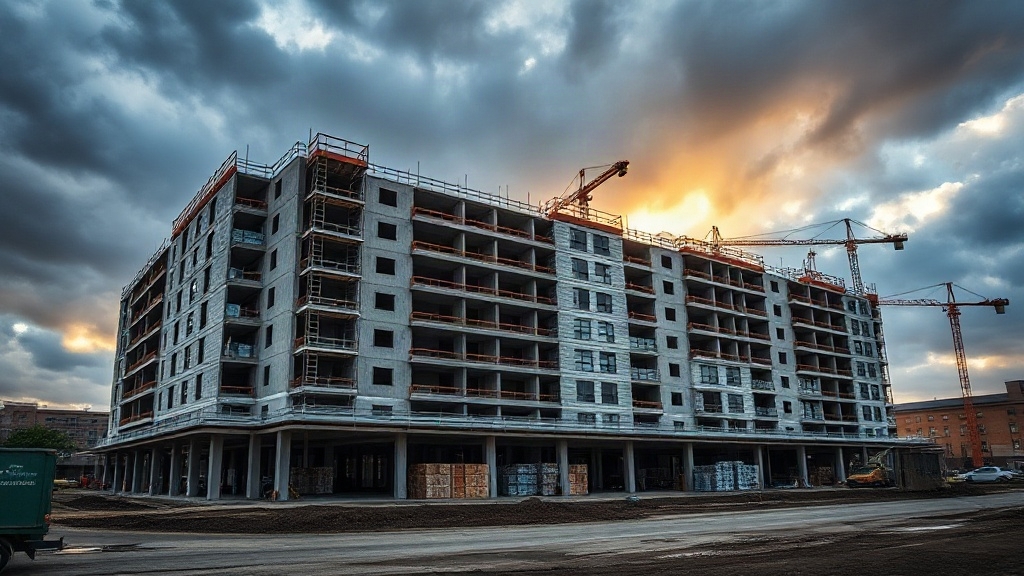
Dallas County residential values rose 5.6 percent in 2025, while commercial values jumped 15.1 percent. Higher comparable sales, especially from new construction, are being used by appraisal districts to reassess surrounding homes. Nearby Kaufman County ranked among the nation’s fastest-growing counties, fueled by outward migration from Dallas County and rapid expansion in cities such as Forney.
Those reassessments increase taxable values even when tax rates do not change. Local governments also face mounting costs for roads, fire protection, parks, and school funding as subdivisions expand. Similar growth corridors elsewhere have relied on utility interconnections and coordinated infrastructure planning to support new residential and commercial development.
Bonds, special districts, and overlapping entities such as hospital districts can raise total burdens. In some areas, zoning changes and phased development add infrastructure costs that appear in property tax bills.
Which Dallas Suburbs Are Growing Fastest?
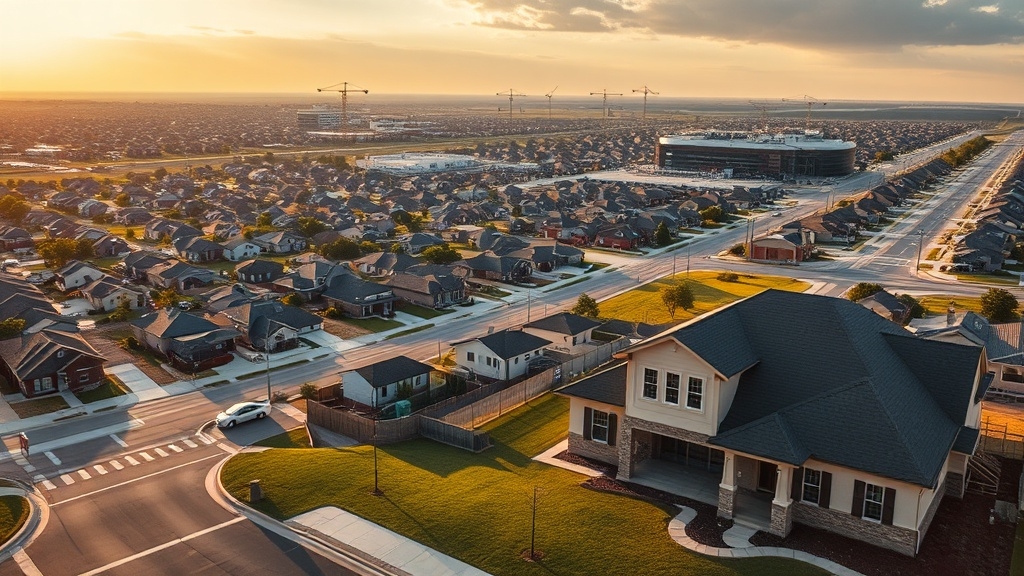
Several north and northeast Dallas suburbs are posting some of the fastest population gains in the country. Celina, Prosper, Melissa, Princeton, and Fate are standing out as major expansion centers.
Celina leads the group, with population booms ranging from 314% over the past decade to 757% since 2013, depending on the measure cited. Prosper, Melissa, Princeton, and Fate also rank among the nation’s fastest-growing cities.
Growth Drivers and Pressure Points
Prosper’s appeal includes top-ranked schools, master-planned communities, and high-end amenities. Melissa combines strong value with notable school demand and family-oriented living.
Princeton attracts buyers seeking affordability, space, and larger homes. Fate benefits from family-focused neighborhoods and continued residential expansion.
Across these suburbs, housing inventory, school demand, and commuter routes are becoming central issues. In the broader Dallas-Fort Worth market, housing inventory has climbed to about 29,000 homes, adding new complexity for fast-growing suburbs trying to balance demand with affordability. These pressure points are growing more important as population growth accelerates rapidly.


How Growth Is Spreading Beyond Dallas
Far beyond Dallas city limits, the region’s growth is spreading north and east. Population gains, road expansion, and corporate investment are pulling development into once-rural communities.
Collin County, now at 1.25 million residents after doubling since 2000, illustrates the scale. Four of its cities ranked among the nation’s fastest-growing in 2024.
Projections show Collin County could double again by 2060. The Dallas North Tollway extension is helping connect Prosper and communities farther north.
Eastward Pressure Builds
East of Dallas, housing spillover is steering builders and buyers toward Royse City, Josephine, Fate, and Forney. Improved highway access has strengthened commuting patterns.
That infrastructure ripple is opening land for homes, schools, retailers, and industrial projects. The expansion now reaches smaller northern counties as the metro area marches toward 10 million residents by 2030.
What Higher Appraisals Mean for Tax Bills
Rising appraisals can quickly lead to higher property tax bills. Your taxable value is multiplied by local tax rates set by school districts, cities, and counties.
Taxable value times the local rate determines the annual bill. Above-average appraisal increases can cause taxes to rise faster than those of nearby homeowners.
Homestead exemptions can limit taxable growth on a primary residence. Protest options may also reduce bills when appraised values seem too high.
Limits and Appeals
An appraisal notice is not the same as a tax bill. But it can signal that higher taxes may be coming.
In Texas, homestead properties generally have a 10% cap on annual taxable value growth. Larger exemptions can reduce taxable exposure even more.
Homeowners who are over 65 or disabled may qualify to freeze school taxes. School taxes are often the largest portion of the bill.
If a value looks inflated, owners can file a protest. Options include an informal review or a formal board hearing with comparable sales and property data.
Where Buyers and Investors May Find Value Next
Where value emerges next is becoming clearer as growth pushes east from Dallas and into fast-changing suburban markets.
Frisco, McKinney, and parts of East Dallas continue to post strong appreciation. This is supported by amenities, accessibility, transit corridors, and highly regarded school districts.
Eastern Suburbs Face Rapid Repricing
Attention is also moving toward DeSoto, Lancaster, Cedar Hill, and Mesquite.
Underdevelopment, business incentives, and expanding services may reset values as population and employer growth spread beyond Dallas County.
Demand remains strongest in the $250,000-to-$500,000 range. In this segment, the tax base is deepest and supply remains constrained.
Investors Watch Tax Signals
Corporate relocations continue to lift surrounding neighborhoods, especially in Denton, Tarrant, and Collin counties.
At the same time, appraisal protests, homestead rules, and local budget decisions can reveal overlooked properties before full appreciation is reflected in tax rolls.
Assessment
Dallas-area suburb tax rolls are climbing as population gains, commercial development, and constrained housing supply push appraisals higher.
The strongest increases are no longer limited to established northern markets. Eastern corridors are now capturing more demand and investment.
For homeowners, rising values may translate into heavier tax burdens despite exemptions.
For buyers and investors, the shift suggests narrowing affordability in core suburbs. It also points to emerging opportunity in outlying communities where growth is accelerating but pricing remains comparatively lower.