

Why San Jose Office Vacancy Is Rising
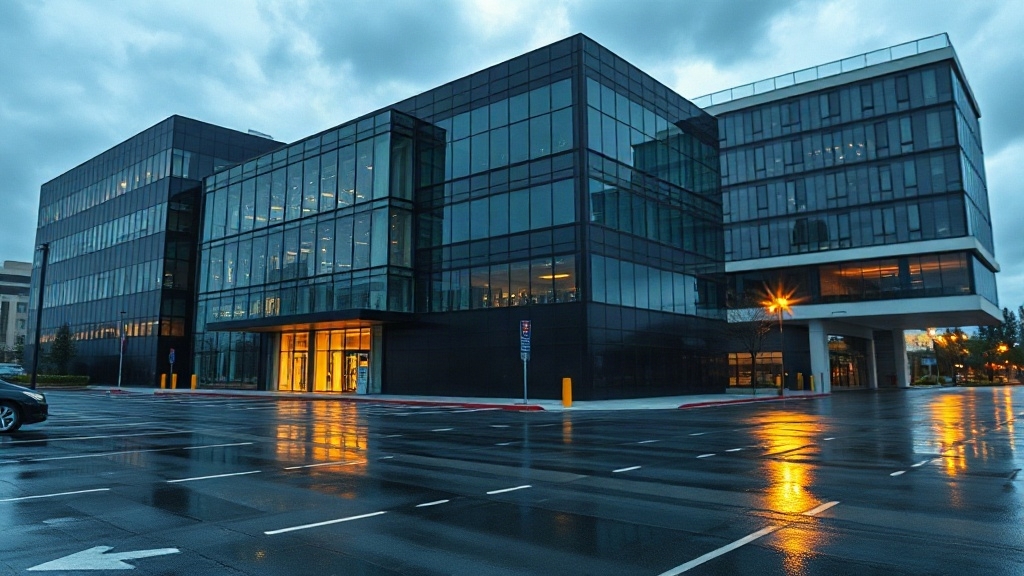
Although Silicon Valley hiring and output have improved in parts of the economy, San Jose office vacancy has continued climbing. Workspace demand remains structurally weaker than before the pandemic.
The increase reflects persistent remote preferences and a weak return-to-office rate of 40.7%, one of the lowest among major U.S. metros. Many workers tied to Silicon Valley firms now live outside the Bay Area or California, reducing daily office use.
At the same time, companies have cut onsite perks, making full-time attendance less attractive.
Rising supply has added pressure. Office vacancy reached 21.8% in Q3 2024, up from 19.6% in 2023 and 8.6% in 2019, while average vacancy across asset classes hit 30.75%. The San Jose metro’s office vacancy rate more than doubled from its 2019 level. In contrast, San Francisco’s luxury market just saw a record sale of $42 million on Billionaires Row, highlighting how uneven Bay Area real estate conditions have become.
Even with some 2025 stabilization, new construction during 2024 expanded inventory faster than demand could absorb it.
How Does the Foreclosure Reveal Market Stress?
Foreclosure pressure is emerging as one of the clearest signals of strain in the San Jose office market.
Office CMBS delinquencies climbed to 11.7% in August 2025 from 1.6% in December 2022, surpassing the Financial Crisis peak. That jump points to capital flight from aging buildings as tenant churn favors newer, high-quality towers.
Seattle’s development freeze shows how soaring interest rates can undermine real estate viability across property types.
Distress Signals
| Indicator | Stress Signal |
|---|---|
| Office CMBS 11.7% | Above crisis-era peak |
| San Jose listings peak | Demand imbalance worsening |
| Older towers | Hit hardest by flight to quality |
| Industrial 0.6% | Stress is not economy-wide |
San Jose metro office listings reached a 10-year high in March 2025. That reinforces how vacancies and downsizing are concentrating pain in older assets.
The foreclosure pattern therefore reflects broad commercial real estate stress. San Jose stands out as a visible Silicon Valley weak point.


Why This Foreclosure Matters for Housing
More than 200 planned and unsold residential units are now trapped in legal and financial limbo. That turns a single San Jose tower foreclosure into a direct housing supply problem.
Those empty units cannot absorb demand in a city already facing severe shortages. The result is a housing bottleneck that reduces effective inventory.
Legal disputes and unpaid HOA dues can also keep homes off the market longer.
Affordability Pressure
The foreclosure matters because delays raise costs. Years of missed monthly dues on unsold units signal financial distress.
That distress could push future rents or sale prices higher once the units finally reach occupancy.
The episode also sharpens concerns about developer accountability. Governance failures, scandal-linked financial instability, and board intervention show how one troubled project can disrupt badly needed housing stock.
That impact reaches across downtown San Jose and the broader Bay Area.
Can San Jose Office Conversions Add Homes?
Office conversions are emerging as one of San Jose’s clearest near-term options for adding housing in a strained downtown market.
CityView Plaza shows the scale possible. Four office buildings at 100 W. San Fernando Street are targeted for conversion into 320 homes, while a 27-story tower would add 360 more apartments.
That brings the total to 680 residences.
Feasibility Questions Remain
The project, rebooted in April 2025 after a pause tied to weak office conditions, is among the region’s largest tests of conversion feasibility.
San Jose has approved only one earlier office-to-home proposal, underscoring how limited the local track record remains.
Limited Risks, Stronger Incentives
Upgraded building systems, reused parking, and downtown amenities may improve viability. City fee waivers worth $16 million could also help.
Because these buildings were largely empty, tenant displacement appears limited here.
What’s Next for the San Jose Office Market?
After a severe post-2023 spike in distress, the San Jose office market is showing uneven signs of stabilization rather than a full rebound.
Vacancy has improved from its 2023 peak, falling to 18.7% in the prior year’s final quarter.
Forecasts still place 2025 near 18.9%.
Silicon Valley also posted 2.4 million square feet of net absorption by Q3 2025, helped by large leases such as Databricks in Santa Clara.
Pressure Points
Recovery appears strongest in South San Jose, Sunnyvale-Cupertino, and Santa Clara.
In these areas, availability is tightening and leasing is healthier.
Even so, rents remain fragile.
Asking-rate gains may prove temporary as companies downsize and existing buildings compete for tenants.
Owner-users, private buyers, tech startups, and transit upgrades may support selective momentum.
Most analysts still expect a cautious, incremental recovery extending into 2026.
Assessment
The San Jose foreclosure underscores a worsening office downturn at the core of Silicon Valley. Rising vacancy, declining valuations, and tighter financing conditions are intensifying pressure on landlords and lenders.
The distress also carries broader implications for tax revenue, surrounding property values, and redevelopment timelines. While office-to-housing conversion remains a potential partial relief valve, financial and physical barriers remain significant.
The market’s next phase is likely to feature more repricing, more defaults, and a slower path to recovery.