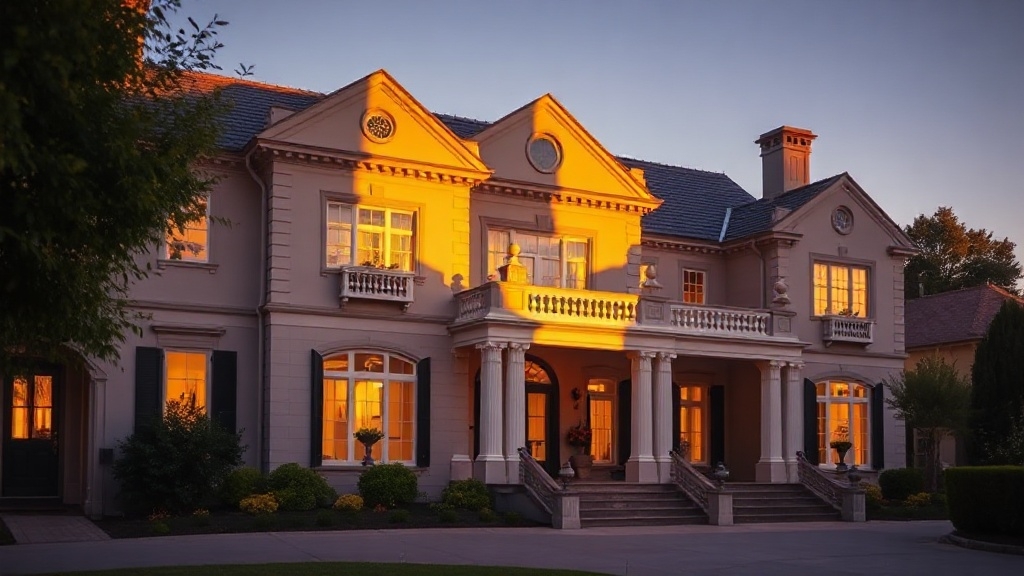


Healdsburg Queen Anne Listing at a Glance
Just two blocks from Healdsburg Plaza, a circa 1905 Queen Anne-style home at 423 Matheson St. has entered the market at $2,995,000.
The 3,696-square-foot residence offers three bedrooms and three bathrooms on a 0.3-acre parcel along historic Matheson Street.
It sits among heritage homes in a distinguished historical district, giving the property immediate context and scarcity near downtown.
The offering also includes a one-bedroom guest house, blooming gardens, and a tiny pond, expanding its appeal beyond the main residence.
Formerly operated as a bed-and-breakfast, the property presents flexible residential use.
Its market positioning reflects both a historic facade and period preservation, while updated presentation supports contemporary living. Broader housing conversations have also highlighted how oversight failures in public assistance systems can influence investor views on rental income stability and market signals.
Featured by The New York Times, the listing stands just under the $3 million threshold in a supply-constrained enclave.
Inside, an octagonal turret joins stained-glass windows, intricate millwork, and richly toned wood floors to underscore the home’s preserved architectural character.
Historic Details That Define the Home
Few surviving residences in Healdsburg carry the layered historic weight of 423 Matheson St., a Queen Anne Victorian identified in the California and Sonoma County Landmarks Registry as the 1902 John Miller House.
Its significance begins with architecture. The Queen Anne form emphasizes ornamental complexity, helping explain why the property stands out within Healdsburg’s historic housing stock.
Its landmark designation reflects both preserved exterior character and its place in the city’s early residential development.
The broader California preservation landscape continues to intersect with modern redevelopment priorities, including projects targeting downtown revitalization through adaptive reuse and long-term civic investment.
Features Linked to Status
The house also carries unusual household distinctions. It is reputed to have been Healdsburg’s first residence with two bathrooms, with family plumbing installed both upstairs and downstairs.
That level of convenience signaled the prominence of John Miller, an early dehydrated-fruit entrepreneur. The original landscaping, reportedly shaped with help from Luther Burbank, further deepens the home’s historic identity.


How the Interior Was Modernized
Behind the preserved exterior walls, the home underwent a near-complete interior reconstruction. The goal was to bring early-20th-century architecture in line with current living standards.
Most of the original interior structure was removed, while the footprint stayed intact. Load-bearing elements were replaced, the roof pitch was raised, and the living area grew by about 25 percent.
Reworked Layout and Finishes
An open floor plan introduced a more refined layout through wider hallways, repositioned kitchen and dining zones, and integrated storage. This helped the home feel more spacious and functional.
Concrete flooring, large glass windows, stainless steel fixtures, and black metal detailing created deliberate material contrasts. These finishes gave the interior a clean, modern character.
| Element | Update | Effect |
|---|---|---|
| Structure | Rebuilt interior frame | Added usable space |
| Materials | Concrete, glass, steel | Modern visual clarity |
| Systems | HVAC, wiring, insulation | Improved efficiency |
Smart lighting and climate controls were added throughout the home. High-efficiency HVAC and advanced insulation brought the rebuilt interior up to present expectations.
Guest House and Garden Features
Estate-scale guest accommodations extend the property’s resort-style appeal through a 4,635-square-foot, three-bedroom layout designed for up to six occupants.
Each bedroom includes a king bed, ensuite bath, luxury linens, and plush duvets. Double sliding doors and private patios connect to every sleeping area, making indoor-outdoor living central to the design.
The primary suite adds outdoor living furniture, indoor and outdoor showers, and a deep soaking bathtub.
Outdoor Areas
A private courtyard with lounge seating and a fire pit creates a sheltered gathering zone. The wraparound patio spans more than 1,200 square feet and includes an outdoor hot tub.
Views toward the Mayacama Mountains and Mount St. Helena strengthen the retreat atmosphere.
Inside, the guest house features an open-concept living area and a double-sided gas fireplace. Additional highlights include a service kitchen, bar, dining table for eight, separate sitting area, desk, HDTVs, and Bluetooth surround sound.
How It Compares in Healdsburg’s Market
Against Healdsburg’s shifting price benchmarks, a landmark home entering the market in the multi-million-dollar range would sit well above recent citywide norms.
The pricing context is unusually fluid. Median sale figures have ranged from $899,000 in March 2026 to $1.592 million in Realtor.com reporting, underscoring market volatility.
- Average home value stood at $1,118,295
- January 2026 median sold price reached $1,312,500
- Q2 2025 median sale price was $1,395,000
- Homes averaged 44 days on market in March 2026
- Luxury listings can take about 180 days to sell
That comparison suggests a premium landmark listing would compete in a narrower buyer pool.
Inventory has expanded, with 135 homes listed and roughly five months of supply. Sale-to-list ratios near 99% indicate disciplined pricing still matters in upper-tier segments today.
Assessment
The listing places a rare Queen Anne landmark into a tight Healdsburg market where historic inventory remains limited.
Its preserved exterior and updated interior systems sharpen its competitive position. Guest accommodations and mature grounds add to the home’s appeal.
Buyers focused on architectural scarcity and turnkey livability are likely to view the property as an increasingly uncommon offering.
The home’s arrival underscores ongoing pressure on premium wine country inventory. That is especially true where heritage status and modern function intersect.