

Key Takeaways
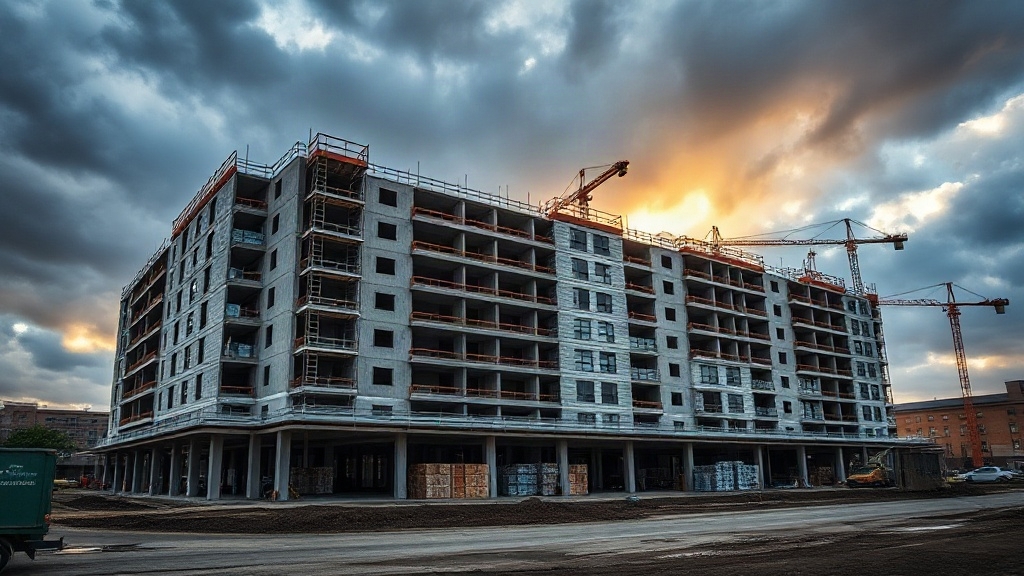
- Factories made quiet fields and town edges more valuable by attracting jobs, infrastructure, and people.
- Rail access reduced shipping costs, opened distant markets, and quickly increased nearby land values.
- Former factory and mill sites continue to shape cities as lofts, parks, transit hubs, and redevelopment zones.
How Industry Reshaped Land Value
Factories turned land into wealth by making quiet U.S. fields and town edges useful.
You saw jobs, roads, power lines, rail spurs, and worker housing pull people and money into one place.
Rail access lowered shipping costs and opened distant markets, so nearby parcels gained value fast. Wages fed stores, homes, and local trades.
Over time, old mill land became lofts, parks, and transit hubs. You’ll see how these changes still shape city growth today.
How Factories Increased Land Values
Many factories changed quiet fields and small-town edges into valuable centers of work, trade, and growth.
You can see land gain worth when factories bring steady jobs, roads, power lines, and nearby services. A plain lot can become useful when industrial zoning allows production, storage, and shipping.
You also notice value rise as owners improve sites for safety and access. They level ground, add utilities, and create space for trucks, workers, and supplies. These upgrades make land more practical, so buyers and investors see stronger purpose in it.
In places like El Paso, border trade and logistics growth have helped push industrial land demand higher.
When older sites need care, environmental remediation can restore trust. You watch polluted land become cleaner, safer, and ready for new use. That change doesn’t just lift prices. It gives communities hope and turns forgotten acres into opportunity.


Why Factory Locations Became More Valuable
Location turned factory land into something more powerful than open space. You saw value rise when a site sat near workers, streets, stores, housing, and busy city services. A factory didn’t just need land. It needed daily movement, steady labor, and customers close enough to feel its pull.
As U.S. cities grew, you watched factory districts become anchors for jobs and investment. Owners wanted places where power, water, repairs, and suppliers were easy to reach. That demand pushed prices higher and made nearby parcels more attractive. Modern logistics markets show the same pattern, as warehouse demand rises fastest where transportation access, labor, and distribution networks are strongest.
You also saw pressure build through urban renewal and zoning conflicts. Cities tried to reshape older industrial areas, while residents wanted cleaner, safer neighborhoods. Each decision changed what land could become, and that possibility made factory locations more valuable.
How Railroads Raised Industrial Land Value
Railroads made industrial land far more valuable by turning a factory site into a direct link to distant markets.
If a business could load goods straight onto trains, it could move heavy freight faster and at a lower cost than relying on wagons or early trucks. That advantage made rail-side property especially desirable, and companies were often willing to pay more for land with easy access to the tracks.
A similar pattern appears in modern University City, where Penn’s $3.3 billion real estate footprint helps concentrate demand around key academic, research, and commercial assets.
Next, it helps to look at how that same transportation advantage shaped where factories, warehouses, and entire industrial districts developed.
Access To Markets
Near the railroad tracks, factory land gained a new kind of power. You could turn a quiet lot into a doorway to the nation’s buyers. With strong market access, your goods could move from a mill town to growing U.S. cities with confidence.
Rail lines connected your factory to distribution networks that reached shops, warehouses, and busy ports. You no longer depended only on nearby customers. You could serve distant markets and build a stronger future from one piece of land.
This access made industrial sites feel alive with promise. You saw land not just as soil, but as a launch point. When tracks ran close, opportunity felt closer too. Buyers, workers, and investors noticed, and the land’s value rose with every new connection.
Freight Cost Savings
Railroads cut down freight costs and gave factory land a powerful edge. You could move coal, steel, grain, timber, and finished goods across the U.S. for less money than wagon roads allowed.
That lower cost changed how you saw a factory site. You weren’t just buying dirt; you were buying smoother movement, faster delivery, and stronger supply chain efficiencies.
When freight bills fell, your profits had more room to grow. You could order larger loads, use bulk discounting strategies, and keep machines running with fewer costly delays.
This made industrial land feel more useful, more reliable, and more full of promise. You could turn distance into opportunity and heavy goods into steady income. Railroads helped you see land not as empty space, but as a working partner.
Rail-Side Land Premiums
Lower freight costs made rail access more than a convenience. You saw land beside tracks become a profit engine. A factory with a spur could ship faster, store less, and reach more U.S. markets.
- You notice buyers paid premiums because time became money.
- You see rail access speculation push prices before factories arrived.
- You understand zoning disputes grew when homes, smoke, and freight lines collided.
Rail-side land carried promise and pressure. You could turn a muddy edge lot into a busy industrial site if trains stopped nearby. Investors chased parcels near depots, yards, and junctions because access changed ordinary ground into strategic ground.
Still, you learned value wasn’t just location. It was movement, timing, and community trust. When railroads came close, land gained a louder future.
How Worker Housing Raised Nearby Land Values
Factory owners built worker housing because people needed homes close to steady jobs. You can see how that need changed land prices around U.S. mills and factories. When owners added worker tenements, nearby lots became more useful, more visible, and more valuable.
You’d notice family clustering around these homes, too. Parents, children, relatives, and neighbors stayed near the factory gates because walking saved time and money. That steady presence made surrounding land feel safer and more dependable.
As demand grew, landowners could charge more for parcels near housing blocks, shops, and paths to work. You’d feel the shift in every crowded street and lit window. Housing didn’t just shelter workers. It turned overlooked land into trusted ground where people built routines, hope, and enduring value.
How Industrial Towns Changed Local Economies
As factories took root, towns often saw land values climb, steady jobs multiply, and new families arrive.
Those workers needed food, clothing, tools, housing, and everyday services, which gave local shopkeepers and tradespeople new opportunities to grow.
In this way, factory wages did more than support individual households—they helped build stronger local economies.
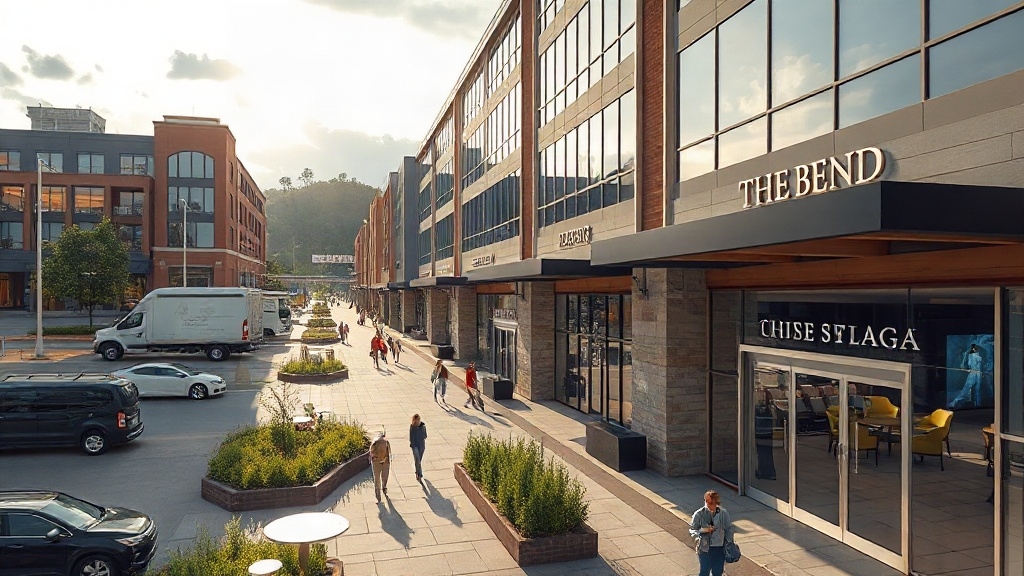
Today, similar patterns can be seen when mixed-use development brings housing, retail space, and long-term investment into walkable urban neighborhoods.
Next, we’ll look at how this growth changed the social fabric of industrial towns.
Rising Land Values
Rising land values changed the story of many U.S. industrial towns, because mills, rail yards, and workshops pulled people toward once-quiet places. You can picture fields becoming streets, and empty lots turning into brick storefronts.
As demand grew, owners raised prices. You saw speculative investment shape choices, while zoning shifts moved land from farm use to factory, warehouse, or shop use.
- You learn that land gained value when industry gave it new purpose.
- You see how town leaders guided growth through rules and roads.
- You feel how wealth could rise quickly, but not always fairly.
When factories arrived, you didn’t just see buildings. You saw land become a promise. Each parcel carried hope, risk, and a new place in America’s changing economy.
New Worker Markets
As land gained value, work changed value too. You saw factories pull people toward U.S. industrial towns, and migrant labor filled jobs that farms no longer offered. New workers brought energy, hope, and pressure, while employers shaped daily life through wages, shifts, and hiring choices.
You could feel skill clustering as machinists, weavers, carpenters, and clerks gathered near the same mill streets. Their shared knowledge made labor more useful and towns more productive. A worker didn’t just bring hands, but also practice, pride, and ideas.
You learned that land wealth depended on people as much as buildings. When workers moved closer to factories, communities changed. Opportunity grew, yet so did competition, crowding, and risk. Still, you could see a new path forming through steady work.
Local Trade Growth
Many factory towns sparked busy local trade around the mill gates. You’d see paychecks move quickly from workers’ hands into food stalls, repair shops, boarding houses, and neighborhood bazaars. That spending helped local merchants grow, hire helpers, and fill streets with steady exchange.
- You can see how wages turned into bread, boots, tools, and rent.
- You can feel how trust grew when shopkeepers knew each family.
- You can understand how one factory supported many small dreams.
As mills expanded, you watched nearby farms, carts, and stores connect in new ways. Farmers sold eggs and milk. Tailors mended coats. Grocers stocked shelves before dawn.
You didn’t just see industry build wealth. You saw communities build daily life from it, one purchase at a time.
How Factory Land Shaped Modern Cities
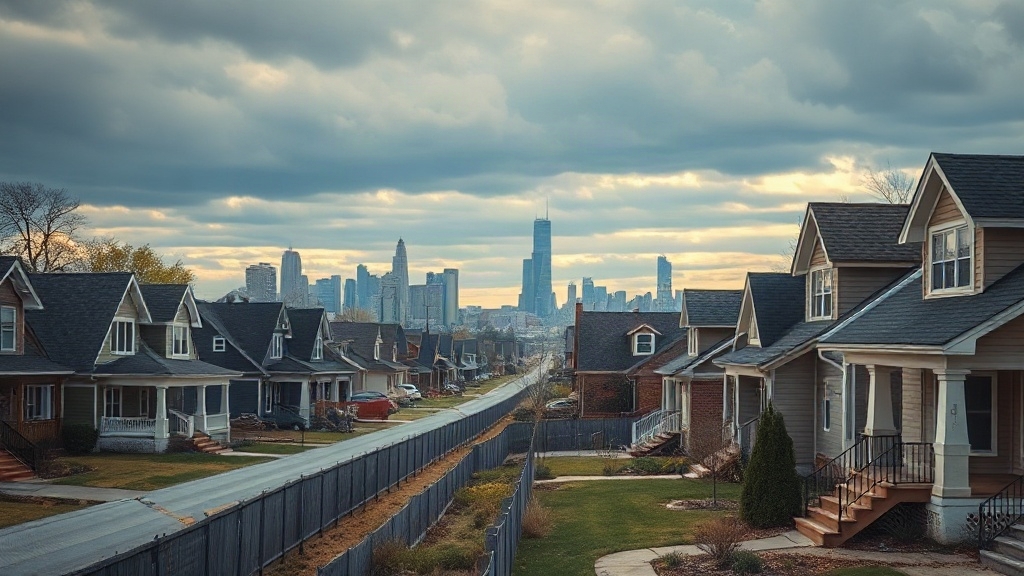
When factories claimed riverbanks, rail corridors, and cheap edge-of-town land, they changed how U.S. cities grew. You can still see their mark in street grids, worker neighborhoods, warehouses, and bridges. This pattern shaped urban morphology, or the form and layout of a city.
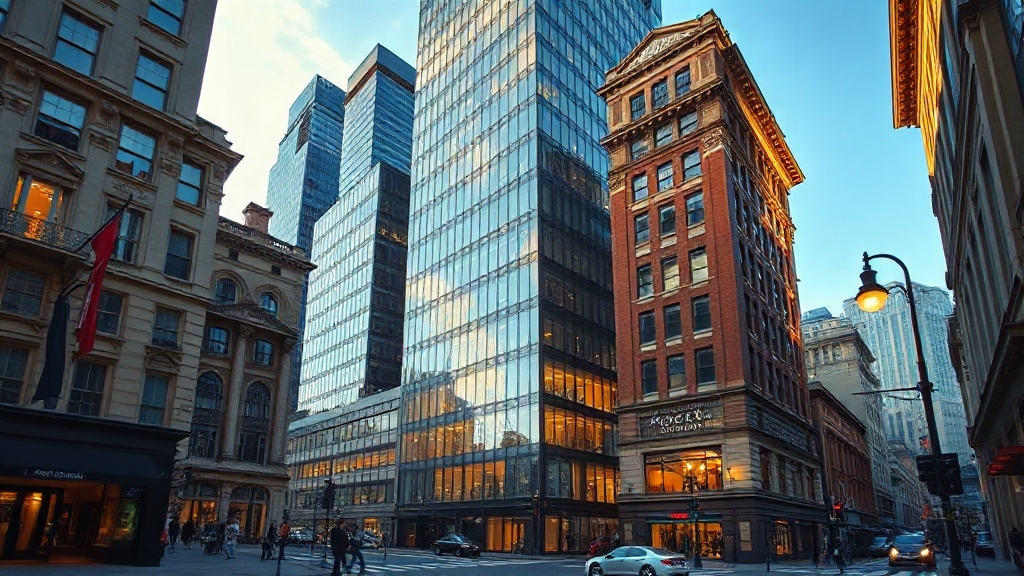
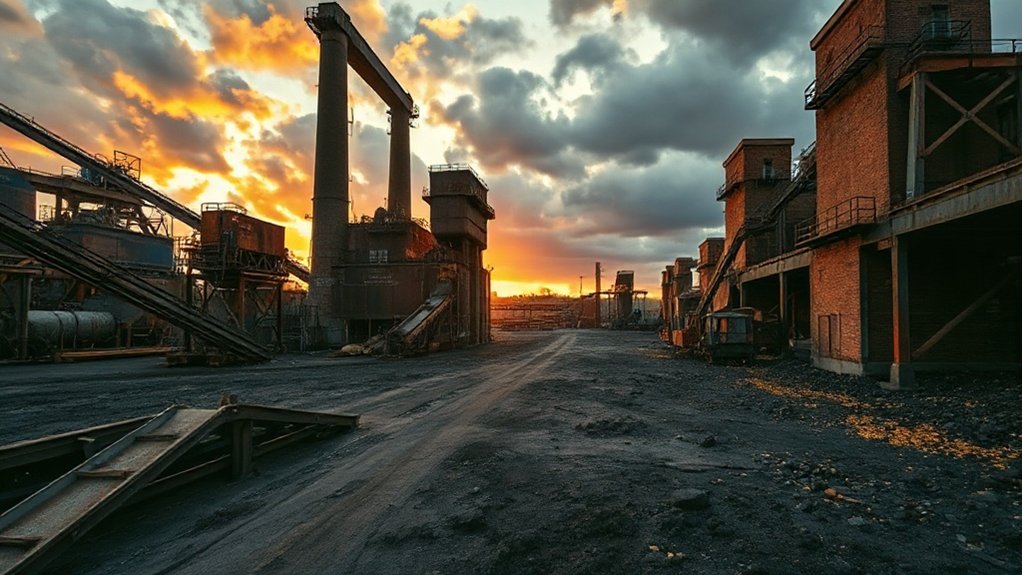
You watch old mill zones become lofts, parks, studios, and transit hubs. Yet you also see zoning conflicts when homes, shops, and former industrial sites compete for space, safety, and value.
Factory land taught cities to connect labor, transport, and markets. It also left hard questions about pollution, fairness, and who gets to stay. When you understand this history, you read the city with clearer eyes, and you can help shape a future that turns old ground into shared opportunity. In St. Louis, $120M funding for Downtown West shows how former industrial and underused urban land can attract mixed-use redevelopment, green space, and long-term investment.
Frequently Asked Questions
Who Originally Owned Land Before Factories Were Built?
You’d usually find colonial governments originally controlling or granting land before factories rose. They claimed territory, sold parcels, or issued charters, while merchant investors later bought, leased, or developed sites for profitable industrial use.
How Did Factory Pollution Affect Nearby Farmland?
Smoke settled, water darkened, and you’d see fields slowly suffer. Factory pollution caused soil contamination, poisoned plants, and reduced crop yields. You couldn’t always notice it immediately, but harvests shrank and farmland lost value.
Did Governments Tax Factory-Owned Land Differently?
Yes. You’d often see governments assess factory-owned land through property taxes like other land, but they also offered tax incentives to attract industry, encourage jobs, or support investment, so treatment varied by place and period.
Were Indigenous Communities Displaced by Industrial Land Expansion?
Yes. You’d see progress arrive politely, then fence off homes. Industrial expansion often caused Indigenous displacement, forcing communities from ancestral lands; it also drove Cultural erasure, as languages, traditions, and sacred places were disrupted.
How Did Factory Closures Impact Land Prices?
Factory closures often lowered land prices first, as jobs vanished and demand fell. But you’d see urban redevelopment plans and speculative buying later push prices up, especially when investors expected profitable housing, offices, or cultural districts.
Assessment
Factories turned land into a living engine, and you can still see its gears in U.S. cities today. Railroads, worker homes, and busy town centers pushed nearby land values higher and reshaped local life. It’s a reminder that industry didn’t just change what people made—it changed where people lived, gathered, and built their futures.
When you understand this history, you see more than old brick walls. You see how work, movement, and community built wealth from the ground up. The land didn’t just hold factories; it carried dreams, paychecks, and the future of modern cities.