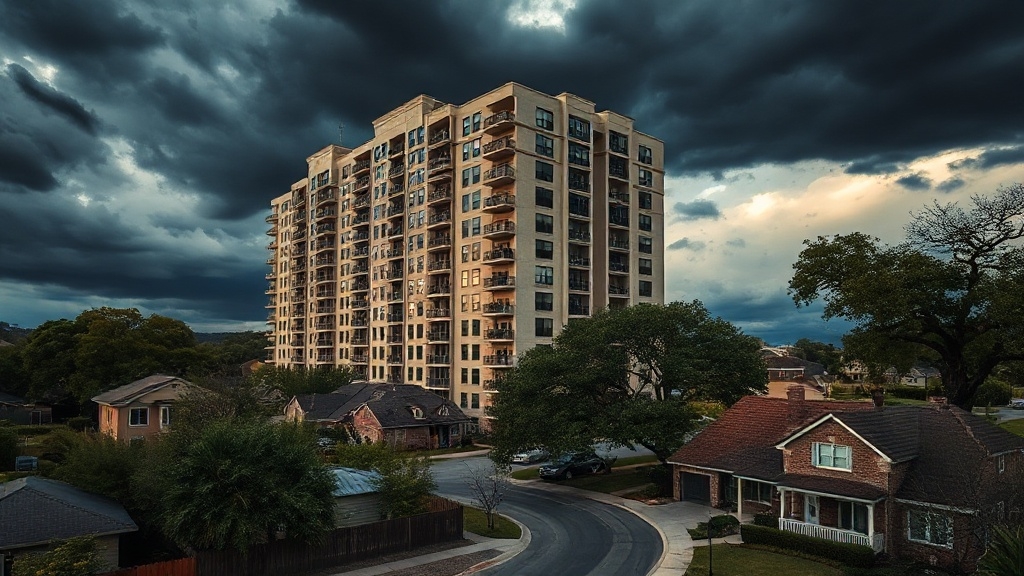


What the Alamo Heights Project Includes
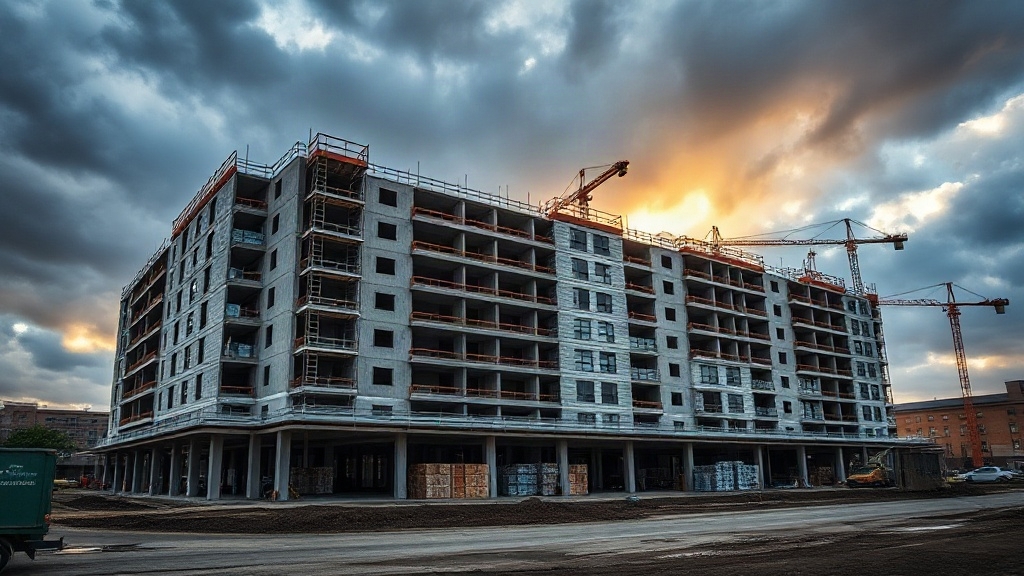
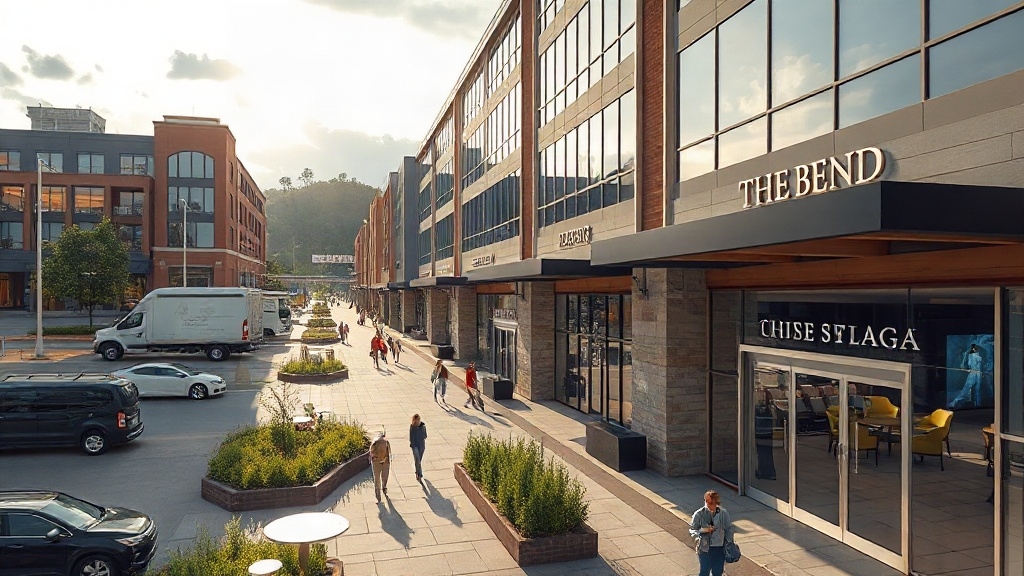
The proposal centers on a 150-unit apartment development in the Broadway commercial corridor in central Alamo Heights. It would add 175,000 square feet of residential space in a four- to five-story building shaped by the site’s slope.
Plans also include 5,100 square feet of ground-floor retail and 7,000 square feet of amenity space for residents. The apartments are expected to include in-unit laundry and hardwood flooring among common home features. Similar housing efforts in Florida have highlighted workforce housing as a way to expand options for working families.
The parking strategy calls for 276 spaces. Only 21 spaces would sit above ground or outside the underground garage.
The remaining parking would be placed below grade to limit visible surface parking. Site circulation is linked to requested changes involving parts of Ellwood Avenue and all of Ausway Lane.
The project moved through a special use permit process approved by City Council with multiple conditions. One condition requires that Ellwood Avenue remain open under the permit terms.
Why the Alamo Heights Plan Drew Backlash
Across public hearings and neighborhood debate, the proposal drew backlash over its five-story height, dense layout, and perceived break from Alamo Heights’ established character. For many residents, the building’s size appeared out of scale with nearby homes and inconsistent with the city’s small-town image.
Public comments repeatedly focused on mass, height, parking pressure, and added traffic on quieter streets.


Fears About Character and Strain
Opponents also tied the project to broader concerns about community identity and historical preservation. Critics argued it conflicted with Alamo Heights’ “City of Charm and Beauty” reputation and could alter the look and feel of residential blocks.
Additional worries involved drainage, flood-control, shading, and strain on water infrastructure. Similar debates in growth-focused markets have also raised concerns about rising property prices and whether intensified development squeezes smaller local stakeholders. The debate also reflected distrust about development rules, public land use, and whether major changes were being reviewed consistently.
How Residents Fought the Apartment Proposal
Residents mounted a sustained campaign against the apartment proposals through yard signs, organized outreach, and repeated appearances at city meetings, board hearings, and commission sessions.
Through resident organizing, neighbors coordinated updates on a website and used signs reading “Save Katherine Court!,” “No High-Rise,” and “Height(s) Matters. Stick to the Code.”
Pressure on Permits and Variances
Opponents said their fight targeted scale, mass, and height, not redevelopment itself.
They challenged demolition approvals, specific use permits, and variance requests tied to unit counts and parking impacts.
Residents argued the projects ignored neighborhood context, conflicted with city height limits, and threatened quiet residential streets.
At Katherine Court, sustained testimony helped block a request to raise units from 27 to 35 while reducing required parking spaces.
They also cited congestion and broader circulation strain.
Why Council Approved the Alamo Heights Project
Council members ultimately approved the Alamo Heights apartment project on a 4-1 vote. They backed the Planning and Zoning Commission’s recommendation after months of public meetings and dispute.
The decision followed the project’s passage through the Architectural Review Board and Planning and Zoning. The special use permit served as the key legal path.
Some council members indicated that, after extensive community engagement, the record and board findings supported approval.
Conditions and Rationale
Approval also reflected a design compromise. A central condition required that Ellwood Avenue remain open.
At the same time, the developer sought abandonment of other parcels and agreed to pay $20 per square foot.
Officials also pointed to updated development rules intended to provide clearer standards for multi-family proposals. They said the rules aim to balance growth with Alamo Heights’ small-town character and pedestrian-friendly goals.
What the Project Means for Broadway
At a corridor scale, the Alamo Heights project carries implications far beyond a single apartment site. It ties directly into Broadway improvements beginning at Burr Road in San Antonio.
That connection means roadway decisions in Alamo Heights affect conditions on the adjoining San Antonio segment. Those effects include lane counts, signals, and reconstruction timing.
Mobility and Street Design
City leaders have centered the Alamo Heights plan on retaining seven lanes. Earlier corridor concepts had considered reductions elsewhere.
As a transportation policy issue, Broadway reflects a regional debate over vehicle throughput versus walkability. Proposed changes include protected bike lanes, wider sidewalks, turning-lane adjustments, and parking changes to improve access and safety.
Flooding and Infrastructure
Broadway also functions as a drainage project.
Planned upgrades include stormwater mitigation measures intended to reduce flooding. They would also remove roughly 29 acres from mapped floodplain areas nearby.
Assessment
The council vote closed one phase of the fight but opened another for Alamo Heights residents and Broadway stakeholders.
The approved five-story project now stands as a visible sign of changing land-use priorities.
Density and corridor growth prevailed over neighborhood objections.
Its progress is likely to shape future redevelopment proposals along Broadway.
Debates over scale, traffic, parking, and community character remain active and politically sensitive.