

Where Are Lehigh Valley Apartments Being Built?
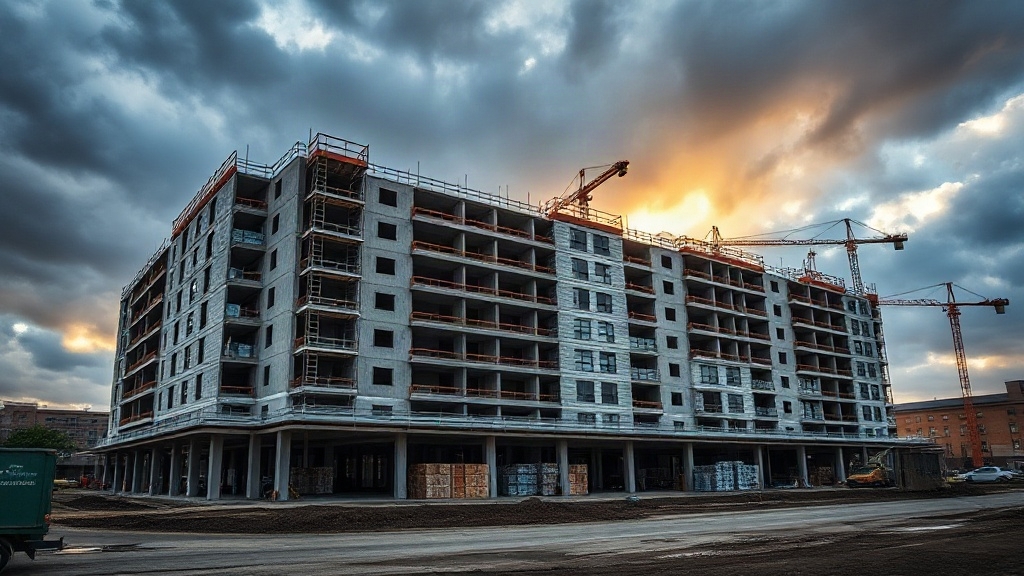
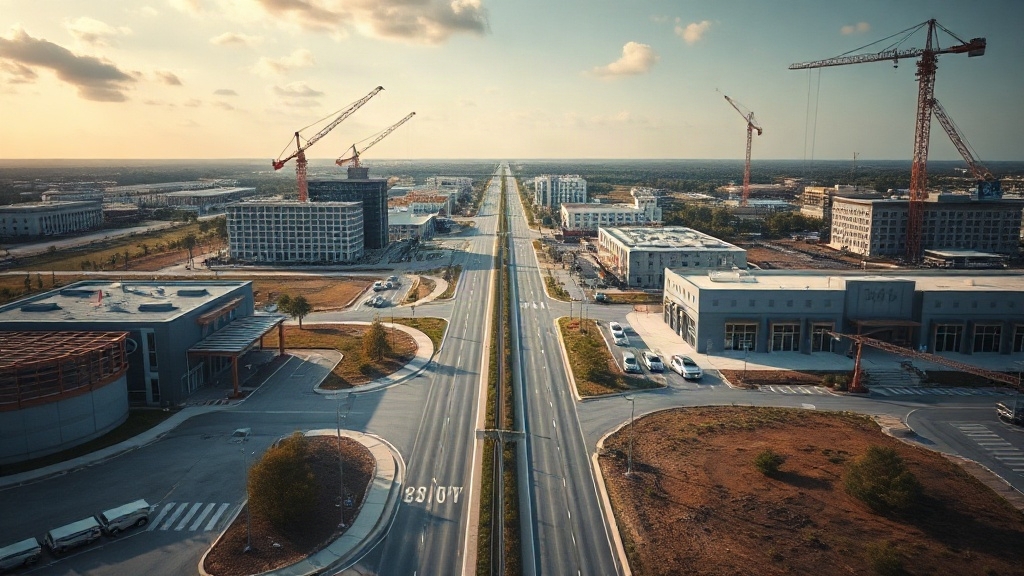
Across the Lehigh Valley, apartment construction is concentrating in both urban cores and expanding suburban corridors.
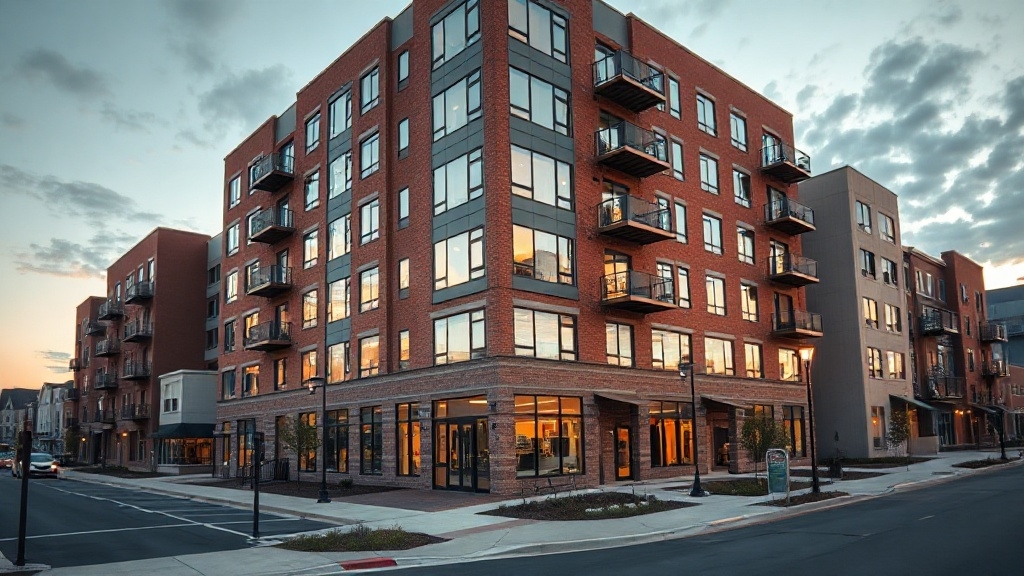
In Allentown, activity is strongest in Center City and along Hamilton Street. Proposals there include a 12-story, 189-unit mixed-use tower, a 38-unit affordable project, and 50 apartments above The Literacy Center.
Planning reviews in Allentown covered more than 1,300 residential units in 2025.
Suburban and Smaller-Market Spread
Beyond the core, Lower Macungie Township is adding 120 luxury rentals at Grandview Drive. The project expands the Woodmont Valley community with 120 homes across 10 buildings on a 14-acre site. Route 100 mixed-use buildings there also include 21 apartments above retail.
Palmer Township has a 320-apartment development in pre-development on Van Buren Road.
In Northampton County, Wind Gap adds 200 planned units. This reflects expansion beyond city centers and broader housing choices near highways and transit access.
Why Are Lehigh Valley Apartments Growing?
Rising housing pressure is driving apartment growth in the Lehigh Valley.
A housing shortage of more than 9,000 units has tightened competition, and projections show the gap exceeding 54,000 by 2050.
Even with 4,900 units proposed previous year, newly available apartments are being quickly absorbed. This shows demand continues to outpace supply.
This demand pattern mirrors markets shaped by inventory constraints, where limited supply continues to challenge housing availability.


Construction Pipeline Shifts
Apartments dominate the regional development pipeline.
Of 5,891 residential units proposed, 3,450 were apartments. That is far ahead of single-family detached homes and rowhouses.
That imbalance reflects where builders see the strongest and fastest demand.
Rent Growth Signals Strength
Rent growth is reinforcing development.
Year-over-year rent growth reached 10.5% regionwide, with some areas posting 15% to 20% gains.
High occupancy, relative affordability, and expanding job creation are also supporting continued multifamily investment across the Lehigh Valley.
How Are Apartments Changing Housing Choices?
Apartments are reshaping housing choice in the Lehigh Valley. Renting is becoming a deliberate lifestyle decision rather than only a temporary or cost-driven alternative.
Surveys indicate strong alignment with that shift. About 74% say apartment living fits their lifestyle, and 42% strongly agree.
Younger renters, especially Millennials and Gen Z, are reinforcing demand. Apartments are also claiming a larger share of new housing output. In markets facing rental inventory drops, rising rents and fewer available units are further reshaping how households weigh renting versus ownership.
Preference Shifts Under Pressure
Flexible leasing, reliable Wi-Fi, and remote workspaces now influence decisions alongside location and comfort. These features are becoming central to how renters evaluate where they live.
Larger layouts, added rooms, balconies, and functional in-home features are gaining value. Work-from-home routines are reshaping what people expect from an apartment.
| Factor | Housing effect |
|---|---|
| Lifestyle fit | Renting seen as intentional |
| Flexible leasing | Easier adjustment over time |
| Remote workspaces | More demand for larger units |
| Digital connectivity | Technology becomes essential |
| Functional layouts | Daily living feels more adaptable |
Why Do Mixed-Use Apartments Matter?
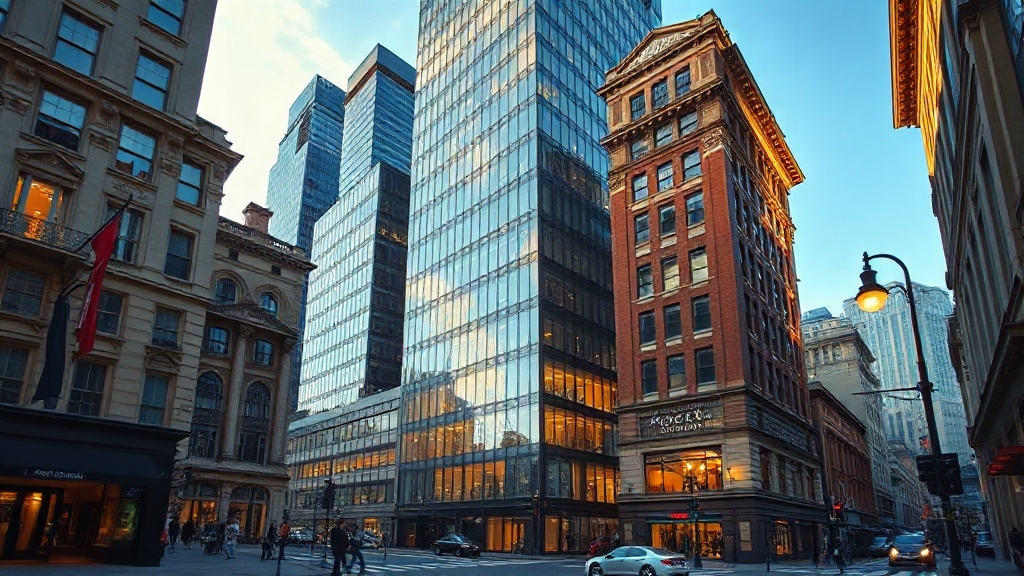
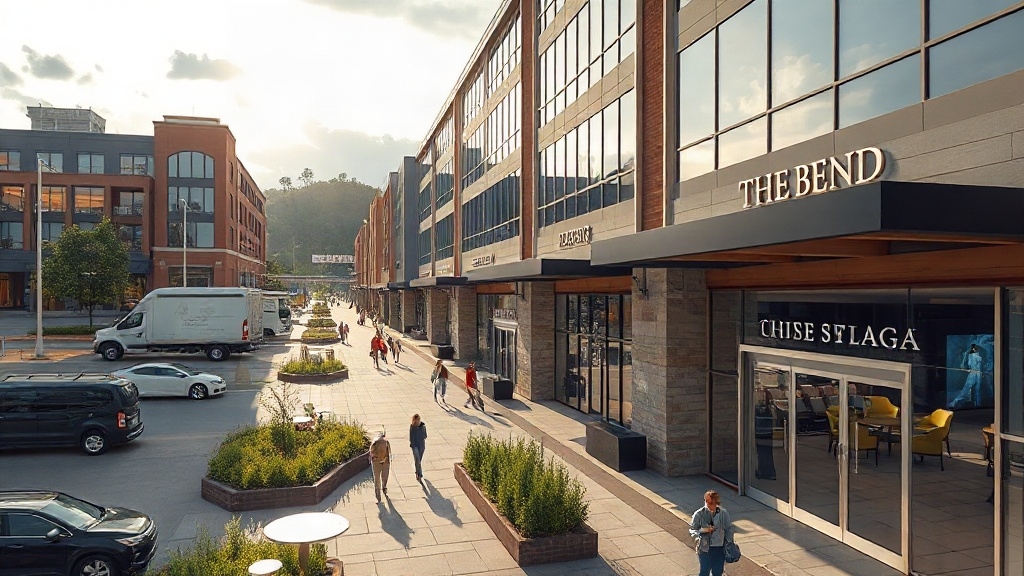
For many renters, mixed-use apartments matter because they place housing alongside cafes, grocery options, fitness spaces, and other daily services in one connected setting.
This design supports walkable convenience by shrinking the distance between home and routine errands. It also reduces the need for separate car trips and can align well with transit use.
Key Effects on Neighborhood Function
Ground-floor businesses place everyday needs directly beside residents. Walkable layouts support access to shopping, dining, work, and services.
Active lower floors can strengthen street life and community vitality. Combined residential and commercial uses can support local business activity.
Mixed-use apartments also matter because they connect housing with workplaces and social spaces in ways that keep neighborhoods active throughout the day.
That pattern can improve land-use efficiency and support more resilient urban districts.
Do More Apartments Improve Affordability?
Adding more apartment units can improve affordability, but the effect is usually indirect. It often shows up as slower rent growth rather than immediate rent cuts.
Research indicates new market-rate buildings can reduce nearby rents by 5% to 7% and temper local increases. That pattern is tied to supply filtering, as higher-cost units absorb demand and ease pressure on older apartments.
Limits for Lower Incomes
The benefits are uneven across income levels. New multifamily housing often opens at high rents, with 2022 asking rents around $1,800.
That level is affordable mainly to households earning about $72,000. For renters facing the deepest affordability gaps, supply growth alone rarely delivers units priced below 30% of income.
Policy analysts therefore emphasize subsidy linkage, zoning reform, and dedicated affordable housing tools. These strategies help connect apartment growth with deeper affordability.
Assessment
Apartment construction across the Lehigh Valley is reshaping the region’s housing inventory with greater speed and visibility.
New multifamily and mixed-use projects are adding options for renters, downsizing households, and workers priced out of single-family homes.
The expansion signals a structural shift in local development patterns, especially near employment centers and commercial corridors.
Its long-term effect on affordability remains uncertain, but the growing apartment pipeline is clearly broadening housing choice and altering the market’s traditional balance.