

What Happened in the $114M Boston Senior Housing Sale?
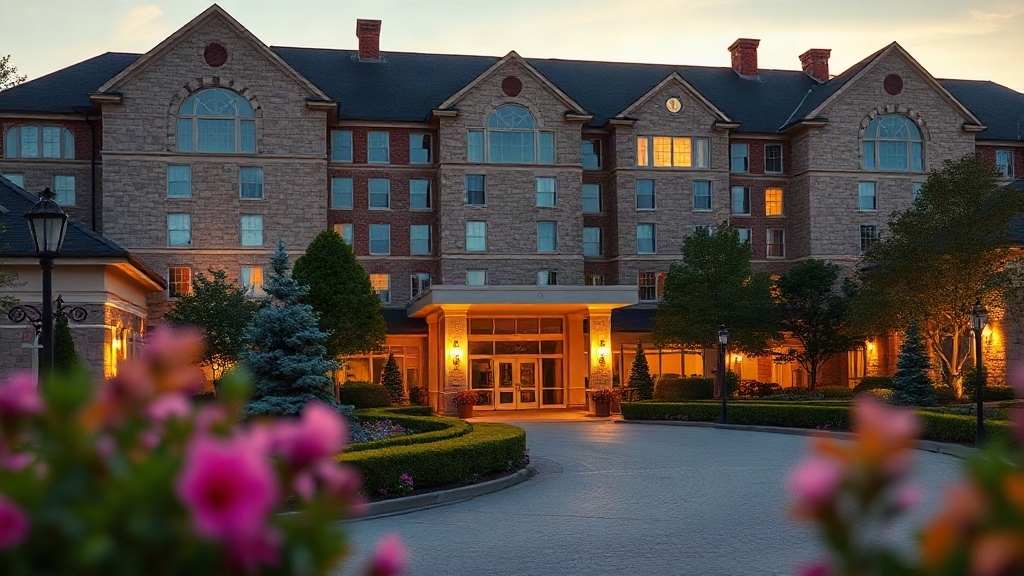
In a notable New England senior housing trade, Berkadia announced on August 3, 2026, the sale of four senior living communities across Massachusetts and New Hampshire for $114 million.
The transaction was presented as a combined sale and financing assignment, with Berkadia handling both sides of the capital event. Senior Living Residences will continue operating all four communities under new ownership.
It was identified as a senior housing deal centered on assisted living and related assets, not a merger or an operating-company acquisition.
Why the Deal Mattered
The structure pointed to an institutional-level transaction within the regional senior living market.
Its size and financing component suggested active market trends, continued investor demand, and lender confidence in New England senior housing. Nationally, investors have been weighing rising interest rates and higher operating costs in senior housing transactions.
The announcement also highlighted how policy impacts and capital conditions can shape large portfolio trades in the Boston-area market.


What Was Included in the Portfolio?
At the core of the transaction was a discrete seven-property portfolio of assisted living and memory care communities totaling 598 units.
The assets formed a mid-sized regional seniors housing package, averaging about 85 units per property across a four-state footprint.
That spread suggested diversification tied to market demographics and some insulation from localized regulatory changes.
What Was Included
- Seven properties positioned specifically for assisted living and memory care needs.
- A 598-unit scale that signaled meaningful operating presence.
- A multi-state base that could steady performance amid uncertainty.
- Specialized resident support, including daily living assistance and dementia-related accommodations.
The disclosed summary did not identify property names, city-level locations, unit counts by asset, or separate bed counts.
It also omitted property-level operating details and amenity descriptions.
In broader housing discussions, projects backed by HUD CoC funds have underscored how layered public financing can shape specialized residential offerings.
Who Bought It and How Was the Deal Structured?
Securing the portfolio through a joint venture, Harrison Street and LCB Senior Living emerged as the buyers in a deal that paired institutional private equity capital with a regional operating platform.
Harrison Street brought capital as an institutional private equity firm. LCB Senior Living entered as the operating partner, creating an institutional partnership aligned with both ownership and execution.
The acquisition was structured as a joint venture rather than a single-entity purchase. That format combined real estate investment with operating oversight across the Chestnut Hill campus.
Post-Closing Plan
LCB’s role extended beyond management. Its plan called for operational repositioning of the campus through upgrades to the assisted living building and conversion of skilled nursing space.
The strategy included additional assisted living, memory care, and expanded common areas after closing.
Why Boston Assisted Living Still Attracts Investors
That buyer interest reflects more than a single campus strategy. Boston remains one of the tightest senior housing markets in the country.
Occupancy above 93% signals scarce availability, steady cash flow, and unusual pricing leverage for owners.
Four forces shaping demand
- High occupancy suggests families face limited choices in moments of urgency.
- Low construction deepens scarcity and protects existing communities from new competition.
- Rent growth near 4% to 5% strengthens underwriting as operating income rises.
- Active deal volume reassures investors that liquidity remains available when exits matter.
Boston also offers demographic resilience.
Researchers have projected substantial unmet need for service-enriched housing in Greater Boston by 2030.
At the same time, capital markets remain supportive. Many investors expect cap rate compression and stronger valuations ahead.
What Does the Sale Mean for Massachusetts Senior Housing?
Because the $114 million transaction involves stabilized assisted living assets in Greater Boston, it reinforces asset values across Massachusetts for well-located senior housing with operational upside.
The deal highlights market dynamics that favor selective acquisitions, recapitalizations, and repositioning rather than simple exits.
Aging demographics, limited inventory, and demand for assisted living with memory care continue to support pricing and occupancy recovery statewide.
| Signal | Meaning |
|---|---|
| Pricing | Supports asset revaluation |
| Buyers | Prefer upgrade potential |
| Operations | Rebranding and care mix shifts |
| Regulation | Policy impacts affect timing |
For owners, lenders, and operators, the sale suggests liquidity remains available for experienced buyers that can navigate regulatory complexity.
It also indicates that future values may depend on occupancy, execution, and compliance costs during ownership transitions and capital stack changes.
Assessment
The $114 million transaction underscored the continued liquidity of senior housing assets in Greater Boston.
It also highlighted persistent investor demand for stabilized assisted living properties in supply-constrained Massachusetts markets.
The sale signaled that institutional capital remains active despite operating pressures, rising costs, and demographic strain.
For the state’s senior housing sector, the deal marked another indication that well-located communities with durable occupancy and care demand can still command significant pricing.