Why Some Chicago Sellers Still Win
Conspicuously, some Chicago sellers continue to hold a measurable advantage because low inventory keeps pressure on buyers even as the broader U.S. market softens.
Local conditions remain decisive. Inventory scarcity continues to support faster absorption for well-positioned homes, especially in central neighborhoods and listing-starved suburbs. Zillow’s July data shows the national market shifted into neutral territory, even as Chicago remained seller-favored. Even with higher mortgage rates, qualified buyers still compete when options stay limited. Similar pressure has defined Boston, where historic low inventory helped drive multiple offers and rapid price gains in key neighborhoods.
Pricing Discipline Preserves Leverage
Sellers who win usually price from the most recent 60 to 90 days of activity rather than stale comparisons. They also use pricing buckets to improve search visibility and align with how buyers scan thresholds online.
Overreaching can stall momentum quickly.
Move-in-ready presentation adds another edge. Updated, clean homes often generate stronger first-week traffic, while competitive offers frequently succeed through reliable financing, earnest money, and flexible terms.
How Chicago Deconversions Create 20%–40% Premiums
Low inventory can preserve seller leverage in Chicago, but deconversions often change the payoff equation even more sharply.
Premium Math Intensifies
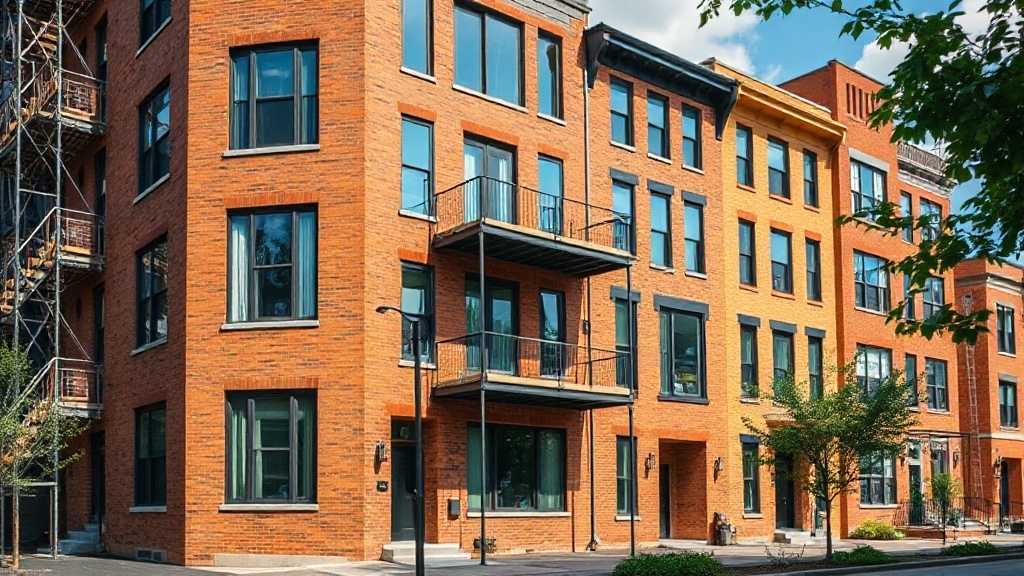
Chicago deconversions often deliver 20% to 40% above a unit’s open-market value because investors evaluate the entire building through portfolio pricing. That approach can support higher per-unit bids than separate MLS listings.
Especially when the property can be repositioned as rentals in a strong apartment market. Meanwhile, Wisconsin’s rising foreclosure activity shows how distress can pressure pricing in weaker markets even as Chicago deconversions generate outsized seller premiums.
Why Bulk Sales Lift Prices
Bulk sales reduce friction by replacing many individual closings with one transaction. They also let buyers underwrite future income.
That helps explain why some owners accept building-wide offers tied to ownership percentage rather than unit-specific appeal.
Reported Chicago examples illustrate the spread.
One Lakeview deal exceeded $260,000 per unit after prior average sales near $165,000. It shows how deconversion math can eclipse conventional resale benchmarks.
Why Downtown Chicago Luxury Sellers Take Losses
Pressured by weaker high-end demand, many downtown Chicago luxury condo sellers have been forced to cut prices deeply or accept losses after long periods on the market.
Luxury sales in the metro area fell nearly 50% year over year, with downtown condos among the weakest segments.
Prices for units above $1 million dropped, and some sellers accepted far less than their prior purchase levels.
These losses show how central-city luxury owners faced a sharper downturn than many expected in this market.
Main pressures included crime perceptions that weakened buyer confidence after 2020.
Remote work also reduced commuter traffic and downtown energy.
High interest rates made upscale purchases harder to finance.
Slow sales and repeated price cuts left many owners stuck in a market with thin demand.
One Four Seasons condo sold for $1.025 million, or 43% below its 2000 purchase price.
Which Chicago Areas Hold Up Best in 2025
Resilience defined Chicago’s 2025 housing map. The strongest price support shifted away from luxury-heavy central districts and toward working-class neighborhoods on the South and West Sides.
South Side and West Side areas led gains as starter home demand concentrated in lower-entry-price locations. Park Manor rose 10.89%, The Bush 10.30%, and Little Village 9.62%.
Brighton Park also stood out, reaching 8.27%. These increases contrasted with slower North Side growth in Lincoln Park, Lake View, Wicker Park, and Logan Square.
| Area | Growth | Signal |
|---|---|---|
| Park Manor | 10.89% | South Side leader |
| Little Village | 9.62% | West Side value |
| Brighton Park | 8.27% | Southwest strength |
Near West Side fell 4.47%, underscoring uneven resilience near the core. The best holds remained concentrated in working-class neighborhoods with catch-up potential.
What Chicago Sellers Should Do Now
As Chicago’s market becomes more payment-sensitive, sellers face a narrower margin for error on pricing, presentation, and deal structure.
Current comps matter more than past headlines. Rate-aware pricing near the strongest recent comparable can improve search visibility and reduce time on market.
If rates ease, a fast, well-timed launch may capture released demand.
Pressure Points Before Listing
Presentation now carries more weight as buyers compare monthly payments carefully. Decluttering, fresh paint, staging upgrades, quality photography, and pre-listing inspections can strengthen perceived value and reduce renegotiation risk.
- Price to current market value, not peak-era expectations
- Highlight low taxes, efficiency, parking, and financing transparency
- Consider seller credits or buydowns instead of broad cuts
- Review offers for financing strength, timing, and contingencies
A 14-day feedback check can reveal whether condition or pricing needs adjustment.
Assessment
Chicago’s housing divide remains stark in 2025.
Sellers in select neighborhoods and deconversion deals can still secure strong premiums, while many downtown luxury owners face losses tied to soft demand, elevated inventory, and post-boom repricing.
Market performance now depends less on broad city momentum and more on asset type, location, and building economics.
The result is a fragmented selling environment where timing, pricing discipline, and neighborhood-specific conditions determine whether owners preserve gains or absorb declines.