

Why Many U.S. Owners Hold Assets Longer
Tax rules, borrowing costs, wealth-preservation goals, emotional ties, and valuation gaps are combining to keep many U.S. owners in place far longer than in past cycles.
A major force is tax lock-in. In California, Proposition 13 limits property-tax increases, allowing long-time owners to carry unusually low annual costs.
That weakens the financial benefit of selling and buying again.
Higher mortgage rates reinforce the same decision. Many owners compare today’s financing costs with older low-rate loans and choose to stay put.
Holding also supports long-term wealth preservation through continued appreciation and recurring income. Some owners also delay selling while waiting for a peak market that supports their target return.
Sentiment and Pricing Friction
Emotional attachment further slows turnover, especially with inherited property tied to family memory.
At the same time, valuation gaps keep some owners waiting for prices that current markets do not support. In some markets, policy shifts such as mandatory inspection windows have added transaction uncertainty that can further discourage owners from listing.
How Older Owners Delay Business Exits
Clinging to the business often reflects more than economics. For many older owners, the company remains a primary source of identity, control, and daily purpose.
That attachment creates emotional barriers to succession, even when owners recognize the practical need to prepare. The identity shift can feel like a loss of relevance, making retirement harder to accept.
Delays Deepen as Planning Slips
Many Baby Boomer owners now expect retirement closer to 71 than 65, extending control beyond traditional timelines. Research also shows many intend to exit within 10 years, yet fewer expect to leave within five.
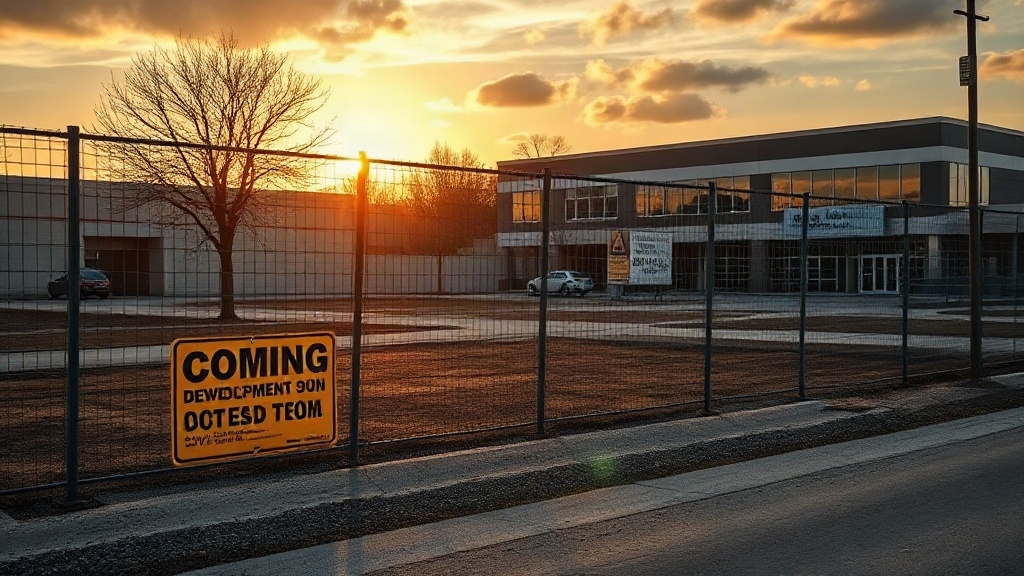
More than 58% reportedly lack any succession plan. Without successors, updated valuations, tax preparation, delegation, and systems that let operations run 60 to 90 days independently, departures are often postponed further. In communities managing long-term change like the open-air redevelopment planned for Berkshire Mall, delayed transitions can also heighten pressure for clearer succession and accountability.


Why U.S. Landlords Still Favor Buy and Hold
High acquisition costs are pushing many U.S. landlords toward a buy-and-hold stance rather than active expansion.
Elevated prices are a major barrier, with 55% identifying property costs as the main reason to avoid new investments in 2025. Another 23% cite interest rates.
These transaction costs make existing properties more attractive than replacement purchases.
Stable Income Outweighs Portfolio Moves
Buy-and-hold also supports dependable cash flow through long-term rental income.
Owners often prefer steady rent collections that help cover mortgages, taxes, insurance, and repairs while properties gradually appreciate.
Survey data shows fewer landlords plan to buy or sell, and 43% expect no portfolio changes.
Many appear focused on upgrades and asset preservation.
This reflects tax advantages, equity buildup, and a preference for stable income during uncertain returns.
Why Short-Term Planning Conflicts With Long-Term Ownership
The same landlords choosing to hold properties for years still face a basic planning problem.
Long-term ownership depends on decisions whose payoff arrives over multiple years, while short-term planning rewards visible results now. That creates short-termism tradeoffs when quick wins start replacing strategy instead of supporting it.
Pressure Points
- Incentives tied to near-term outcomes can weaken long-run decision-making.
- Frequent reviews help execution, but narrow metrics create measurement misalignment.
- Capital aimed only at immediate needs can delay higher-value growth projects.
Research on governance repeatedly frames the issue as a balance between immediate performance demands and durable value creation.
Short-term steps are useful when they function as milestones inside a larger plan. Conflict appears when those steps become the main objective, pulling attention, rewards, and budgets away from sustained ownership goals over time.
How Succession Planning Keeps Owners in Place
In practice, succession planning often keeps owners in place by defining their future role before any transfer of leadership or equity begins.
A formal plan can set timing, financial goals, and authority boundaries.
It may separate leadership succession from owner succession, allowing continued involvement without daily control.
Written role definitions reduce confusion and preserve influence.
Governance Pressure and Continuity
Governance structures such as boards, advisory councils, and voting protocols create formal paths for participation.
These systems define authority, dispute resolution, and decision flow while supporting continuity at a higher level.
Legal and financial documents, including buy-sell agreements, can formalize transfer terms, reporting lines, and oversight expectations.
Successor Development Under Oversight
Successors can be prepared through coaching, role rotations, and exposure to financial responsibility.
Periodic reviews help adjust the plan as strategy or family conditions change.
Assessment
Across the United States, many owners continue to hold businesses, rental properties, and land for longer periods.
This trend is shaped by aging demographics, uncertain markets, and weak succession readiness.
Delayed exits reflect caution, income dependence, and limited replacement options rather than near-term confidence.
Long-term ownership remains a stabilizing force, but it also concentrates succession risk.
Without clearer succession plans and realistic timelines, future transfers may become more disruptive for families, tenants, employees, and local markets.