

Adam Driver’s $11.5 Million Standish Purchase
In a closely watched Brooklyn Heights transaction, Adam Driver reportedly acquired three sixth-floor condominium units at the Standish for $11.5 million.
Multiple reports placed the off-market purchase at 171 Columbia Heights in late June 2026, with some citing a June 10 closing. Similar high-end deals often emerge in markets marked by multiple offers and strong luxury demand.
The reported price exceeded $3,200 per square foot, with one estimate at $3,285. That made it one of Brooklyn’s priciest condo trades. The three-unit package totaled 3,500 square feet.
Trust Structure Draws Attention
Coverage said the acquisition used trust ownership, which obscured Driver’s name in public records.
That structure carried privacy implications and reflected a common strategy in celebrity real-estate transactions.
The sellers were identified as Mark and Lindsay Van Zandt.
Reports said they assembled the units over several years for about $6.2 million total before selling in this high-profile luxury building.
What He Bought in Brooklyn Heights
Three sixth-floor condominium units at the Standish, a boutique luxury conversion at 171 Columbia Heights in Brooklyn Heights, made up the reported acquisition.
The purchase involved Unit 6B, a three-bedroom residence, plus Unit 6A and Unit 601, both one-bedroom apartments.
Together, the three condos totaled about 3,500 square feet and reportedly traded for $11.5 million.
Building and Deal Context
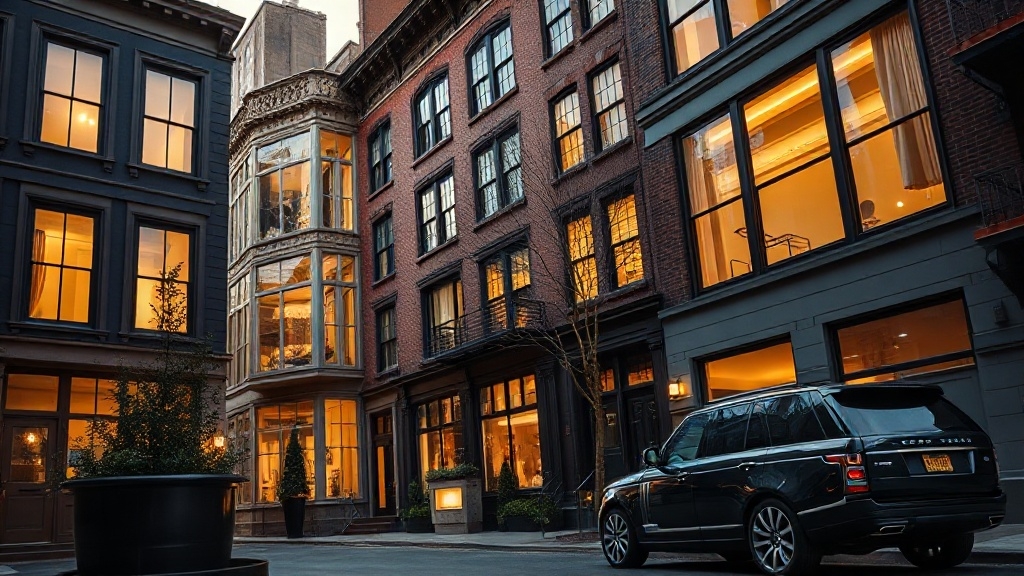
The Standish is an early-1900s former hotel that was converted into a boutique, high-end condominium address near the Brooklyn Heights Promenade and Brooklyn Bridge Park.
The deal also lands amid a broader national surge in office-to-residential conversions, which have become a defining adaptive reuse trend as remote work reshapes property demand.
Reporting indicated an ownership structure involving a trust or LLC.
On a price basis, the transaction exceeded $3,200 per square foot, placing it among Brooklyn’s costliest condo sales by that measure.
Public reporting did not fully detail the interior layout beyond the individual unit types.


How the Three Standish Units Fit Together
At the Standish, the reported purchase of Units 6A, 6B, and 601 appears to fit the building’s condo structure and floor-by-floor layout.
Adjacent homes can potentially be combined into a larger custom residence, subject to design and approval constraints.
Because the conversion created a smaller set of residences from the former hotel, the building now includes larger spans, high ceilings, and repeated architectural details.
These features can support a more coherent merged floor plan.
Interior Continuity Factors
Large bay windows and open-plan renovations may help preserve light flow across joined rooms.
This can keep the interior from feeling overly segmented.
The unit mix ranges from studios to five-bedroom homes, suggesting flexibility in how neighboring spaces can be reworked.
A three-unit combination could therefore form a broad single-level home.
That layout could create distinct bedroom, living, and entertaining zones.
Why the Standish Deal Was So Expensive
Scarcity helps explain why the Standish transaction drew such an outsized valuation.
At $11.5 million for roughly 3,500 square feet, the package reached about $3,286 per square foot. That placed it among Brooklyn’s costliest condo sales.
The number mattered because three sixth-floor units were sold as one contiguous spread. That gave the buyer control over a rare floor segment.
Why the value rose:
- Price per square foot: Put the sale in Brooklyn’s top tier.
- Three-unit assembly: Created a rare ready-made package.
- Contiguous layout: Improved privacy and usability.
- Historic cachet: Added character through hotel conversion.
- Celebrity premium: Strengthened prestige and scarcity.
The Standish also benefited from Brooklyn Heights prestige.
Limited luxury inventory and a glamorous reputation added even more appeal.
Why Driver Stayed in Brooklyn Heights
The premium attached to the Standish helps explain the building’s appeal, but the bigger story is that Adam Driver was not leaving Brooklyn Heights at all.
He already had a long-term base there, built from neighboring units acquired in 2014 and 2017 at 20 Henry Street.
Reporting around the 2026 reshuffle consistently framed the change as an apartment swap within the neighborhood, not a relocation elsewhere.
That continuity also fit family life. Coverage tied the move to more room for Joanne Tucker and their two children.
Family continuity became a practical advantage alongside the added space.
Work offered no clear reason to leave. Driver’s New York-based commitments, including filming in Brooklyn, supported staying close.
Brooklyn Heights also matched his preference for neighborhood privacy, a low-profile routine, and a higher-end upgrade at the ultra-exclusive Standish.
Assessment
Driver’s three-unit acquisition at the Standish underscored the intense value placed on rare, large-scale residential space in Brooklyn Heights.
The $11.5 million purchase reflected both the building’s scarcity and the neighborhood’s enduring pull for high-profile buyers seeking privacy, scale, and landmark character.
By remaining in Brooklyn Heights, he reinforced the area’s status as one of New York’s most tightly held luxury enclaves.
Significant inventory trades infrequently there, and premium pricing remains resilient despite broader market pressure.