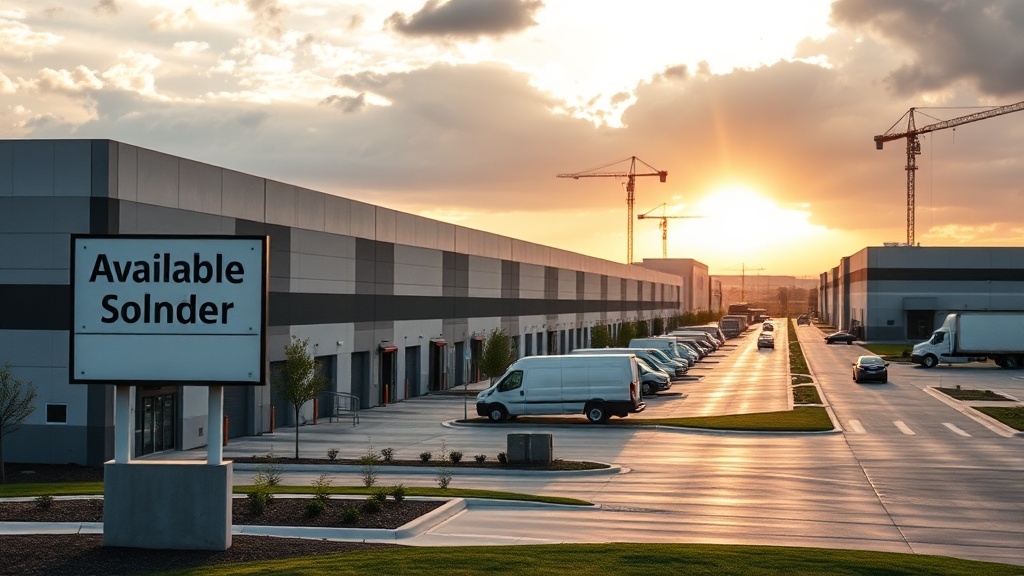


Where Fort Worth’s 31 Building Parks Stand
Across Fort Worth, city records identify 31 distinct public parks.
That total includes 12 in the downtown area, 9 in residential zones, 7 in open space areas, and 3 near major trails.
This distribution shows how land use priorities are divided across urban, neighborhood, and corridor settings.
It also indicates uneven park density, with downtown holding the largest share.
The broader Fort Worth parks dataset catalogs 578 local parks citywide, showing this 31-site count reflects only a partial inventory.
Hours and Site Conditions
Most parks operate from 5:00 AM to 10:00 PM.
Open space locations differ, remaining available from dawn to dusk.
City records also show 7 acres of managed open space.
At 4725 Byers Avenue, a 0.7-acre neighborhood park includes a playground and tennis court.
Like virtual wholesaling, park system oversight can extend across multiple areas without being limited to one local zone.
Maintenance Patterns
Maintenance records identify 7 parks receiving regular service.
The Byers Avenue site is listed for daily, weekly, seasonal, and annual maintenance cycles.
What Fort Worth Buy Signals Mean Now?
Fort Worth’s latest buy signals point to a market that remains active but no longer one-sided.
Occupancy trends still support demand, with vacancy at 8.5% and effective occupancy near 91.5%.
A median price of $353,000 and four months of inventory place Tarrant County in balanced territory.
Columbus recently saw a 45% inventory increase, showing how quickly supply conditions can shift even while buyer demand remains active.

Negotiation Pressure
Pricing leverage has improved for buyers as average days on market rose to 48.
Sellers now accept roughly 2% to 3.5% below list price, especially after 30 days.
Credits, repair concessions, closing-cost help, and interest rate buydowns have become more common.
Investment Readings
Returns remain constructive, with cash-on-cash performance near 5.0% and stable leasing success around 97.9%.
Properties under $450,000 continue to show the clearest positive cash-flow potential and fastest sales activity.
Buyer protections are also holding firmer.
How Zoning Limits or Expands Park Upside
Zoning can sharply widen or compress park-related upside by determining which uses are permitted, how much land can be developed, and what design standards must be met.
Use tables, overlay districts, and form-based codes to decide whether park-related functions are allowed and how mixed-use activity can occur. That creates either zoning flexibility or hard limits, especially where residential tables cap intensity while nonresidential tables allow broader combinations.
Tight Dimensional Rules Reshape Value
Lot minimums, maximums, frontage rules, and yard setbacks directly govern expansion potential. A 5,000-square-foot minimum for single-family parks, a 3,000-square-foot mixed-use minimum, and capped high-intensity formats can narrow site options.
Parking ratios, canopy standards, height limits, site-plan review, and public hearings further affect timing, cost, and achievable density incentives. Official zoning maps and permit approvals ultimately confirm whether upside survives.
How Rush Concerts Lift Building Park Demand
Concert schedules intensify building park demand by compressing vehicle arrivals into narrow pre-show windows. Nearby parking utilization can rise sharply as a result.
Evening shows typically cluster demand from 5 PM to 10 PM. Pre-show traffic often starts building about two hours before the event begins.
Major concert dates can increase event parking use by 60 percent. The effect is strongest where on-site supply is limited.
That spillover pushes drivers into surrounding garages and commercial lots.
Venue Proximity Strain
Attendees consistently prefer parking close to the venue. This is especially true at large arenas with capacities above 15,000.
Near major venues, parking density can reach 80 percent during concerts. Overflow may then spread across ten or more external lots.
Weekend performances and multi-night series can extend these pressures across repeated peak periods.
Operators often respond with dynamic pricing, targeted promotions, and route signage. These tactics help steer drivers toward available spaces.
Which Expansion Milestones Affect Park Values?
Across North Fort Worth, industrial park values appear most sensitive to expansion milestones that confirm timing, scale, and capital commitment.
The strongest signals come from proximity filings tied to Trammell Crow’s fourth phase at 2501 Eagle Parkway near AllianceTexas. Texas Department of Licensing and Regulation records place the construction timeline from February to April 2027, giving investors a defined delivery window.
Cost and Completion Pressure
Estimated construction costs near $40 million matter because they show real financial commitment rather than tentative planning.
That spending level can sharpen valuation metrics for nearby industrial assets, including the 31-building park S2 Industrial acquired to deepen its Sun Belt footprint.
Convention center milestones also influence sentiment. Phase I completion in 2026 and Phase II planning at $606 million extend the region’s long-range growth narrative and reinforce appreciation expectations.
Assessment
Fort Worth’s 31-building park transaction points to intensifying competition for large-scale industrial assets.
Buy signals appear tied to land constraints, zoning flexibility, and event-driven demand pressures that can quickly tighten occupancy.
Expansion milestones remain a critical pricing factor, especially where infrastructure timing affects leasing certainty.
Taken together, the market backdrop suggests that industrial park values in Fort Worth may shift faster than many secondary-market assumptions typically allow under normal acquisition conditions.