
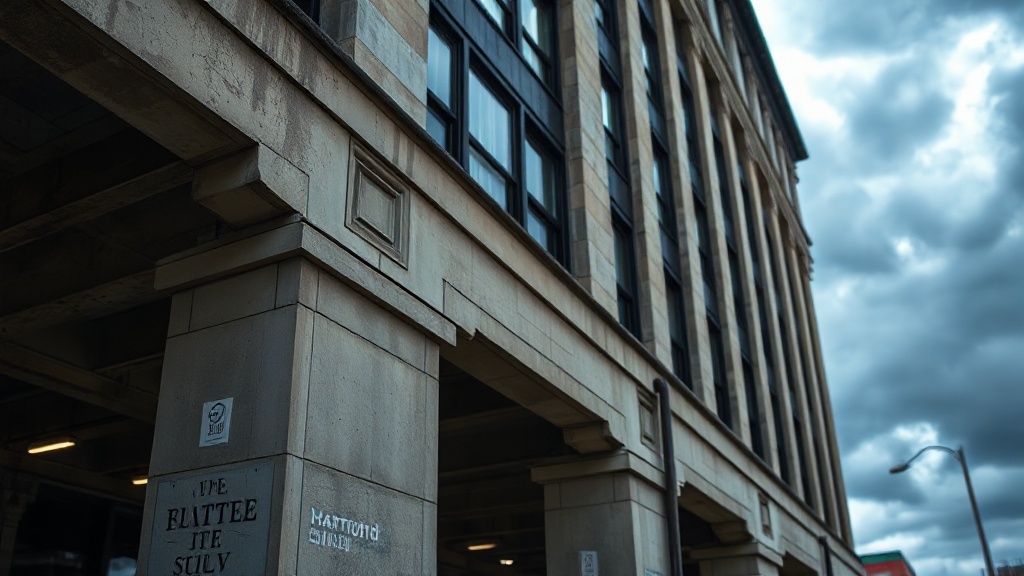


How the Stilts Building Foreclosure Ended
A settlement closed Wells Fargo’s foreclosure case against Hartford’s Stilts Building. It cleared the way for the sale of the 23-story office tower at 20 Church St.
Case Resolution
The dispute began in 2022 after missed payments on a commercial mortgage. Wells Fargo later sought repayment of an outstanding $25.7 million balance tied to the 420,000-square-foot property. The case had raised concerns because the tower is considered a Class A downtown office building. The sale comes as Hartford’s office market faces 28% vacancy, adding pressure to downtown property values.
In March, both sides asked Hartford Superior Court to pause proceedings after reaching a settlement. That agreement required the mortgage to be paid off by June 18, allowing the foreclosure matter to be closed.


Court Oversight
Before the sale, the building operated under court-appointed receivership. That limited Shelbourne’s direct control.
A prior court order had approved that arrangement separately from the later settlement. The legal implications included ending active foreclosure litigation while preserving operations.
Shelbourne said the resolution supported tenant protections and addressed overdue building obligations.
Why the Stilts Building Was Sold
Pressure from a mortgage default, weakening office demand, and rising property obligations drove the sale of Hartford’s Stilts Building after the foreclosure case was resolved.
Court filings linked the distress to missed mortgage payments beginning in February 2022 on debt that later stood near $25.7 million. The loan was approaching its April 2023 maturity, leaving little room to recover.
Market and Cost Pressures
The building also faced a soft downtown office market, where 28% vacancy in Hartford’s office sector and lease-up expenses hurt performance despite prior renovation gains.
Improved occupancy and notable leasing strategies showed progress, but not enough to offset persistent financing strain.
Maintenance costs and tax liabilities added pressure. Reporting described these obligations, along with leasing risk across a large office tower, as key reasons the property ultimately changed hands.
Who Will Control 20 Church St. Next?
For now, operational control remains with court-appointed receiver John Rothschild Jr. of Newmark. The foreclosure case is still under court supervision while settlement evidence is reviewed.
The most likely next controller of 20 Church St. is a Shelbourne-LAZ partnership, if the settlement closes.
Shift Framework
This ownership shift would replace Wells Fargo’s practical role in the foreclosure process. It would also return influence to Shelbourne through a new structure.
Management implications remain significant because ordinary owner authority stays limited until the court stay ends. Settlement terms also must be completed.
- Receiver John Rothschild Jr. currently directs operations
- Shelbourne seeks renewed control through settlement
- LAZ Investments is expected to join the new ownership arrangement
- Wells Fargo’s control position would likely end after closing
The final control outcome still depends on completing the settlement process. It also depends on documenting the transfer.
What the Stilts Building Sale Means for Hartford
In practical terms, the settlement around Hartford’s Stilts Building points to a measure of stability for one of downtown’s most visible office towers.
By ending a foreclosure through a control transfer rather than a prolonged court dispute, the deal reduces near-term disruption at 20 Church St.
That matters because the tower has symbolic weight in Hartford and remains a closely watched Class A asset.
Pricing Pressure
The resolution also underscores how far downtown office values may have shifted since earlier in the decade.
With the building previously selling for $44.4 million, the settlement is likely to inform expectations for nearby properties and future transactions.
Leasing Stakes
Stable ownership may help maintain tenant confidence, support leasing, and preserve a professional-service tenant mix.
The tower’s transit access and prior occupancy gains suggest continued relevance, even as Hartford office demand remains uncertain.
What This Deal Signals for Hartford Offices
Uncertainty still shadows Hartford’s office market, and the Stilts Building transaction reinforces how unsettled downtown valuations remain.
With pricing undisclosed, the sale offers limited immediate guidance. Even so, it sharpens market perception around distressed Class A assets.
Hartford’s elevated vacancies, foreclosure activity, and receivership cases continue to weigh on confidence.
- Depressed values still define much of downtown office trading
- New capital shows selective confidence in repositioned towers
- Foreclosure resolution may improve future sales and refinancing
- Leasing plans reflect stronger pressure from workplace trends
The buyer group’s mix of local and outside investors suggests some willingness to recapitalize rather than walk away.
Just as important, the end of a long-running foreclosure clears ownership uncertainty. That may help lenders, owners, and buyers evaluate other Hartford office buildings facing disruption and potential restructuring.
Assessment
The sale of Hartford’s Stilts Building closed a major foreclosure chapter and shifted control of a prominent downtown asset.
The transfer creates a clearer path for management, leasing, and long-delayed decisions at 20 Church St.
For Hartford, the outcome removes a high-profile distressed property from foreclosure court but leaves larger office-market pressure unresolved.
The deal reflects continuing stress in downtown office real estate, where asset values, financing conditions, and tenant demand remain under strain.