


Shelbourne Global Solutions’ Financial Struggles
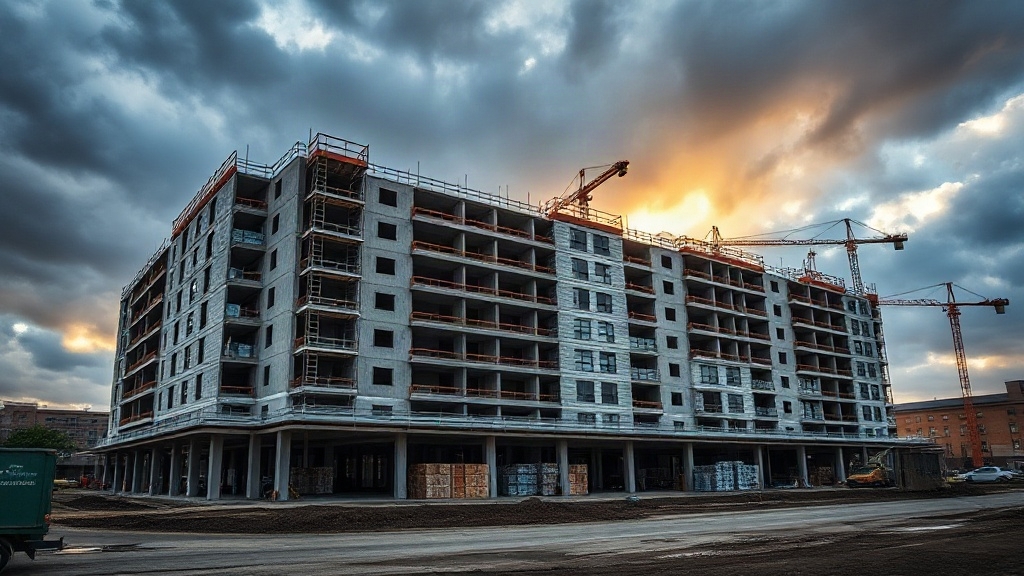
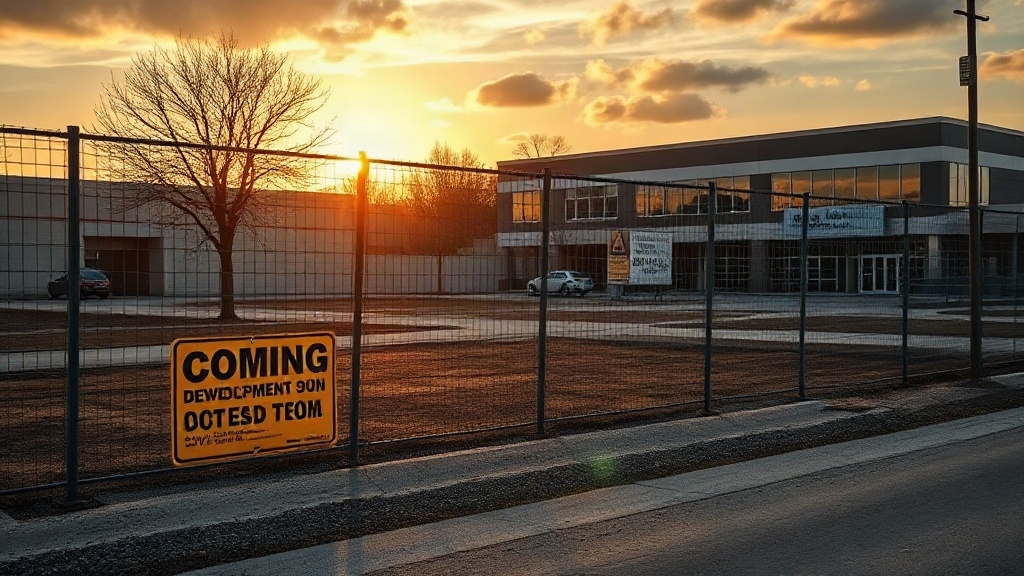
Shelbourne Global Solutions is facing severe financial turmoil despite ongoing efforts to stabilize its financial standing. The firm has defaulted on multiple loans, causing significant distress. A surge in rising leasing activity has stabilized some areas, yet Shelbourne struggles to capitalize on such opportunities. A notable issue is the mishandling of a $2.15 million loan for a Connecticut office building. This mismanagement has put additional strain on the company’s financial strategy. Economic factors such as rising interest rates and inflation have thwarted refinancing attempts. These challenges further exacerbate Shelbourne’s crisis. The commercial real estate market’s reluctance to offer viable financial solutions only adds to their predicament. Additionally, the mounting pressure of loan maturity defaults paints a dire picture for the company’s immediate fiscal future. Notably, Shelbourne has faced foreclosure actions involving properties like the Metro Center, reflecting the ongoing legal and financial challenges that threaten its stability.
Foreclosure Actions by Lenders and Institutions
Foreclosure actions are on the rise as lenders ramp up property repossessions nationwide. In October 2025, foreclosure proceedings were initiated on 25,129 properties. This marks a significant 20% increase from the previous year. Institutional investors and hedge funds are capitalizing on the situation by acquiring distressed properties through auctions. This trend is particularly evident in judicial states. Slower legal processes in these states attract strategic investors. Lenders are especially targeting properties with high loan-to-value ratios. Their goal is to recover potential losses efficiently. In addition to foreclosure challenges, the Florida rental market is experiencing turbulence due to skyrocketing rent prices and increased housing demand. The banking industry emphasizes managing foreclosure portfolios with diligence. Regions like Florida, including cities such as Tampa and Jacksonville, are among the most affected. Florida had the worst foreclosure rate, affecting 1 in every 1,829 housing units. These areas continue to shape investor strategies significantly.


Financial Terms and Implications for Stakeholders
Foreclosure mechanics represent a complex journey with significant financial implications for all stakeholders involved. When a borrower defaults, the effects go beyond just losing property. Equity loss becomes a major concern, stripping individuals of accumulated financial interest. Borrowers face critical consequences such as lost ownership rights and potential eviction. Additionally, they experience significant declines in credit scores. There’s also the possibility of deficiency judgments if sale proceeds are insufficient. Lenders grapple with challenges as well. They often recover only partial loan amounts and incur legal, maintenance, and management costs. Investors might see opportunities by acquiring properties at discounts. However, they risk dealing with property damage and title issues. Depressed market prices can also pose challenges for investors. Local economies are not immune to the fallout either. There are often lower property values and decreased tax revenues. Municipalities may also face higher costs and increased crime rates. Understanding these terms and implications is crucial. It aids in maneuvering the complex foreclosure environment effectively. The increase in adjustable-rate mortgages (ARMs) resetting to unaffordable payments has played a significant role in the foreclosure surge, further complicating the landscape for all parties involved.
Trends and Challenges in Hartford’s Commercial Real Estate Sector
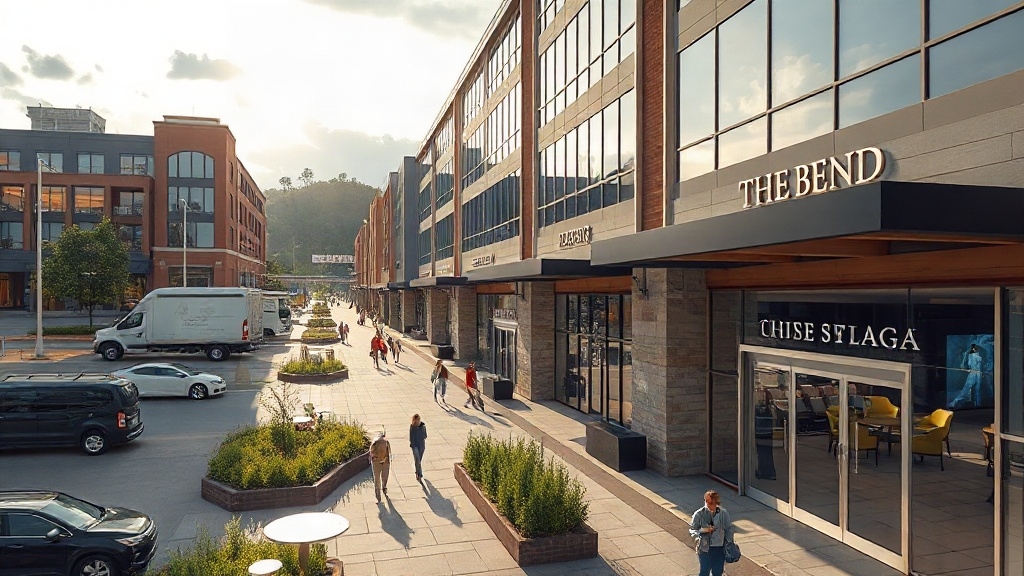
Hartford’s commercial real estate sector is navigating a challenging landscape characterized by volatility and complexity. The office market is particularly affected, with downtown vacancies reaching a staggering 28%. Remote work trends and economic uncertainties are the primary drivers behind the reduced demand for large and outdated office spaces. However, premium office spaces retain some attractiveness due to their amenities and strategic locations. There is also a noticeable demand for multifamily housing units in the downtown area. This demand is driven by Hartford’s strong economic anchors in the insurance and healthcare industries. Efforts are underway to revive neighborhoods by converting vacant offices into residential spaces. Nonetheless, high redevelopment costs pose a significant challenge to these transformation initiatives. Additionally, Hartford mirrors Chicago’s challenges with its high office vacancy rates and investor pullback impacting the growth and transformation of its CRE market.
Assessment
Foreclosures against Shelbourne Global Solutions underscore the volatile terrain of Hartford’s commercial real estate sector. Numerous stakeholders, including lenders and investors, face significant financial implications.
They traverse these challenging waters cautiously. The recent foreclosure action marks a critical juncture.
This event sheds light on broader industry trends and mounting challenges confronting the market. As these events unfold, the industry remains on edge.
Stakeholders closely monitor potential ripple effects. These could further destabilize the region’s real estate climate.