
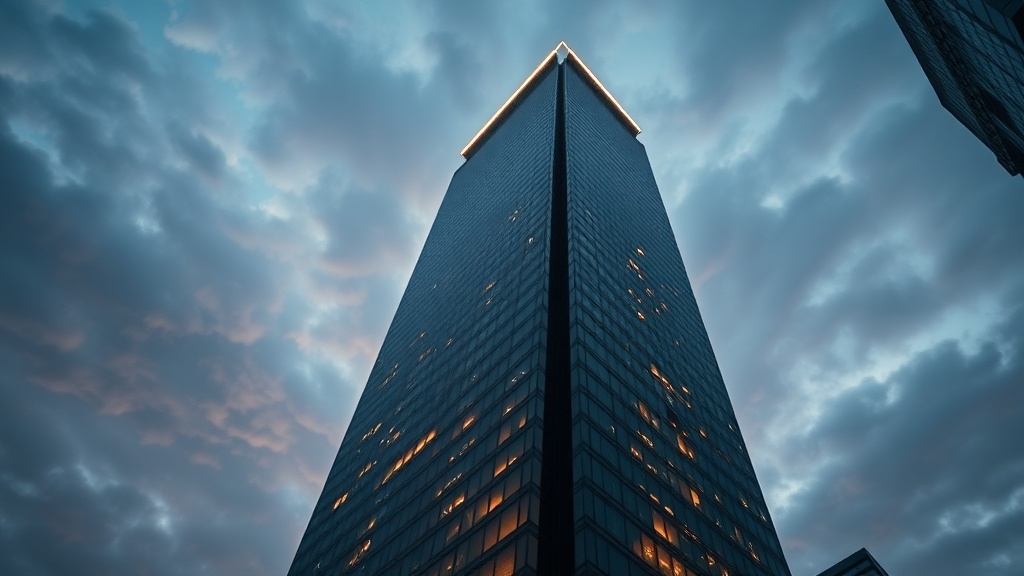
Transformational Redevelopment in Houston’s Energy Corridor
The Energy Corridor in Houston, traditionally known for its office-centric landscape, is undergoing a significant transformation. It is evolving into a dynamic mixed-use district fueled by major redevelopment initiatives. This shift represents a move towards sustainable development and urban lifestyles. Mixed-use projects are now at the forefront, integrating residential, retail, and office spaces for vibrant, walkable communities. One notable development is Define Living’s acquisition of 10.4 acres for a 388-unit wellness-focused apartment community. This highlights the area’s new direction. Additionally, projects like Park Eight Place, with its extensive mixed-use space and nature-focused amenities, exemplify the commitment to sustainability and community engagement. The rise of multigenerational households is influencing the design of these modern living spaces, emphasizing flexible layouts to accommodate different family structures. Moreover, underused commercial properties are being repurposed. For instance, The Watt, a former BP office tower, is being converted into multifamily residential use. These transformations mark a departure from the traditional office park model, embracing integrated live-work-play environments. This new approach aligns with contemporary urban lifestyle trends, promising a more sustainable future for the Energy Corridor.
Collaborations and Partnerships Behind The Watt
Striking at the core of Houston’s transformation, The Watt at the former BP office tower showcases a bold shift in the Energy Corridor’s terrain. This change signals a new approach to urban development in the region. Collaborations and partnerships played a pivotal role. DeBartolo Development led the $93M project, highlighting investment strategies that align with local real estate synergies. Woodbranch Investments Corp.’s involvement further indicates active regional participation in adapting BP assets. Their partnership underscores the collaborative efforts driving the project. The expertise of Gensler, a global architecture firm, contributed greatly due to their prior collaboration with BP. Their architectural input was crucial to the project’s success. Investment and development synergies facilitated The Watt’s conversion from commercial to residential space. In Miami, industrial lease rates have soared due to supply shortages, drawing parallels to Houston’s strategic urban planning approach. This shift underpins Houston’s evolving infrastructure. In an area where 71,000 workers find limited housing options, the Energy Corridor is being reshaped by innovative projects like The Watt to meet increasing residential demand. Key players include DeBartolo Development, who led the $93M conversion. Woodbranch Investments contributed as a regional investor in BP assets. Gensler provided architectural collaboration. The Energy Corridor District supports residential and infrastructure growth. Local government and Business Improvement Districts (BIDs) also play roles. They help facilitate urban planning and synergy in the area. These collective efforts embody a modern approach to transforming Houston’s spaces. The Watt represents a key piece in the city’s evolving puzzle.
Innovative Design and Luxury Amenities
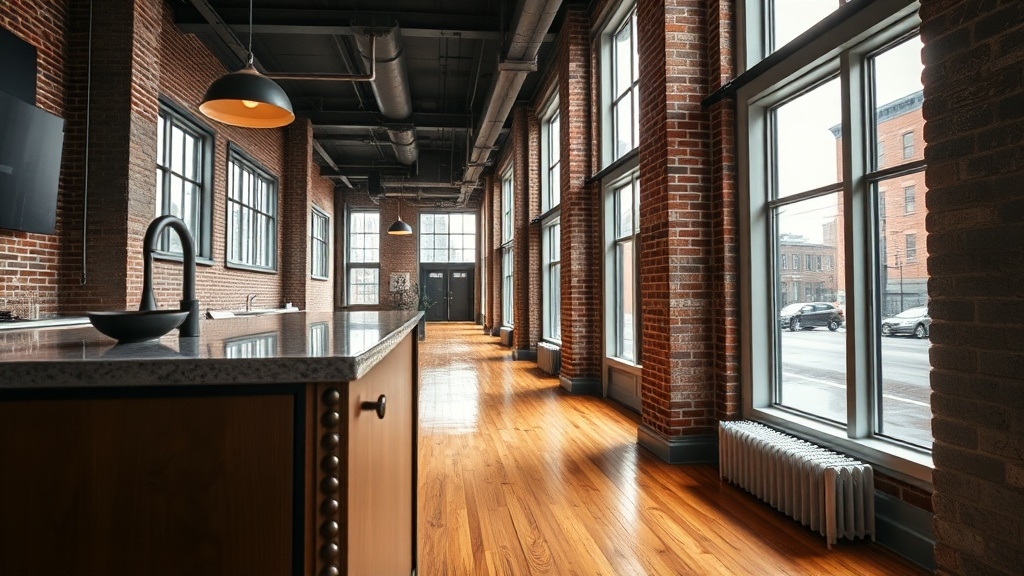
Behind the chic transformation of the former BP office tower into a 311-unit luxury apartment complex, innovative design and premium amenities take center stage.
This project perfectly blends sustainable architecture with urban lifestyle, merging hotel aesthetics with condominium comforts.
Key highlights include expansive floor-to-ceiling windows and high ceilings.
These features maximize natural light and frame stunning views of Houston’s skyline.
State-of-the-art fitness and wellness amenities cater to an active urban lifestyle.
Yoga studios and cycling storage are just some of the offerings available.
Social and recreational features further enrich community living.
A rooftop pool and expansive club spaces offer immersive experiences for residents.
Attention to detail in modern finishes and interior lighting adds to the sense of luxury.
This attention elevates the residences within the city’s dynamic infrastructure, providing unparalleled comfort.
Revitalizing Houston’s Real Estate Landscape
Revitalizing Houston’s real estate environment, amid economic shifts and evolving preferences, has become an intricate endeavor. The dynamic between suburban migration trends and downtown investments shapes this milieu. During the pandemic, remote work configurations boosted demand for suburban areas offering larger homes and outdoor spaces. Yet, despite suburban allure, downtown Houston presents significant opportunities. Home prices have declined by 19.3% year-over-year as of July 2025. Efforts to revitalize urban cores introduce luxury residential options like BP Tower. These attract potential residents amid a diverse and robust economic backdrop. Meanwhile, new construction in Houston rose by 20% year-over-year. This increase helps balance the housing supply. Market forecasts anticipate a gradual downward adjustment in home values. Strategic investments can be resilient and profitable by considering sustainability trends and leveraging technological advancements. This allows for strategic investments in both urban and suburban sectors.
Assessment
Houston’s downtown real estate sector is witnessing a pivotal shift with the $93M transformation of BP Tower into luxury residences.
The strategic collaborations and innovative design of The Watt highlight Houston’s potential as a vibrant urban hub.
Revitalizing an iconic structure within the city’s Energy Corridor, this project meets current market demands and sets a new benchmark for urban living.
It promises to attract significant investment opportunities and reshape the skyline’s future.










3 Responses
Interesting read but arent we just masking the problems of urban sprawl with fancy towers? Isnt high-density living more sustainable? Lets discuss.
Interesting read, but arent we glamorizing gentrification here? What about affordable housing for Houstons less affluent folks? Just a thought.
Is it really revitalizing when its just gentrification clothed as luxury? What about affordable housing for the regular folks in Houston?