Examining LIC Development Trends
Long Island City (LIC) is undergoing transformative growth, with the OneLIC Neighborhood Plan playing a pivotal role.
This ambitious plan aims to add 14,700 new homes to the area. Among these, over 4,300 units are designated as permanently affordable housing—a significant milestone for LIC.
Commercial growth is equally transformative, with projections of over 3.5 million square feet of commercial, office, and retail space. Investors face fierce competition as LIC’s real estate market thrives. This development is expected to invigorate the local economy, creating approximately 14,400 jobs.
As LIC evolves from an industrial hub to a mixed-use community, the OneLIC Plan addresses residential needs and economic revitalization. Furthermore, the plan will incorporate green infrastructure which will contribute to sustainable development and environmental improvements.
This ensures dynamic development in a historically key location.
The impact on housing supply and economic incentives points to positive transformative trends in LIC.
Financial Implications of the Sale
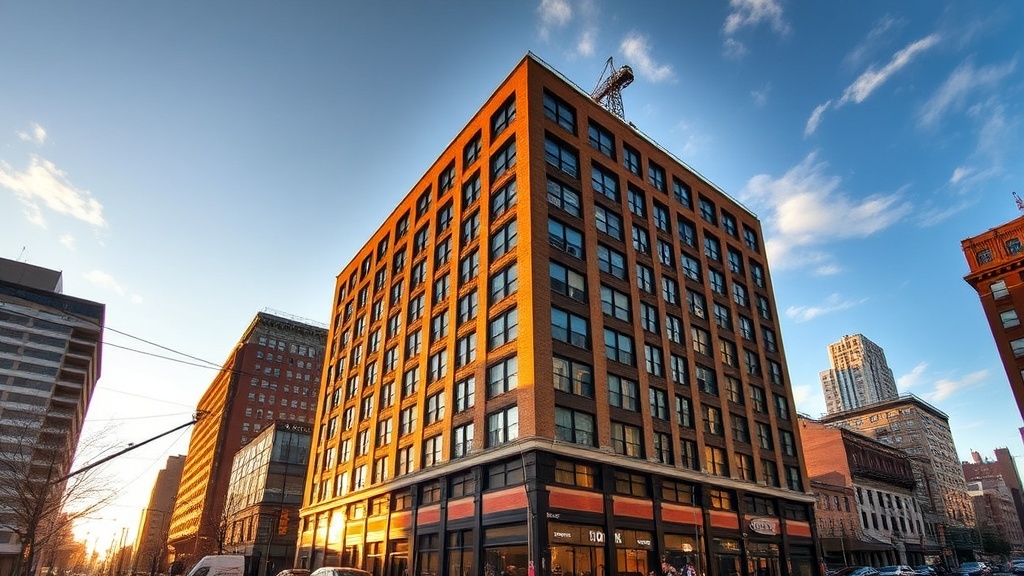
The sale of the LIC Hotel site for $13.9 million marks a pivotal moment in Long Island City’s real estate landscape. This deal aligns with other high-value transactions, such as the Park Slope townhouse, highlighting the area’s strong investment potential. The influx of cash from such sales is anticipated to boost local economic activity. This will likely lead to job creation and enhanced property maintenance. Investors might consider using secured loans akin to TIFIA or delve into private equity options to efficiently address financing needs. It is crucial to maximize revenue streams while managing operational expenses cautiously, including property taxes and maintenance, to sustain profitability. Applicants must be vigilant of market trends, interest rate changes, and potential policy shifts when developing financial strategies. Effective strategic risk management is vital to optimize long-term benefits and ensure future success. Thorough research and collaboration with professionals ensure adherence to legal standards, preventing potential legal pitfalls.
Community Perspectives on Future Use
The ongoing debate focuses on how best to manage Long Island City’s fast-paced transformation, amidst the neighborhood’s growth and development. Residents express concerns about the future of the LIC hotel site, stressing the importance of addressing community needs and adding amenities. Recent market trends in multi-family housing highlight its potential as a solution amid economic instability, boosting interest in such developments. Recent rezoning plans propose the construction of 14,700 new homes, with at least 4,300 affordable units, highlighting a significant development in the area. There’s a call for a balance between new housing and amenities, such as parks and open spaces, from the community. The OneLIC Neighborhood Plan highlights the need for recreational areas and public waterfront access to enhance the quality of life. Inclusion of income-restricted housing units is seen as vital to support diverse demographics through localization. Rezoning initiatives aim to integrate residential, commercial, and light manufacturing spaces, updating zoning rules. Community voices emphasize preserving cultural and economic diversity and advocate for equitable amenities. As LIC transforms, understanding these varied perspectives is crucial to maintaining a harmonious urban environment.
Assessment
The sale of the LIC hotel site for $13.9 million marks a pivotal moment in the area’s development trajectory. The financial implications suggest an influx of investment.
Yet, the sale raises critical questions about the future environment. Community voices emphasize the importance of strategic reuse to address local needs.
As Long Island City grapples with rapid change, the decisions made in the wake of this transaction will reverberate through the neighborhood for years. This underscores the urgency for mindful urban planning.