
Copiague Retail Strip Sells for $2.95M
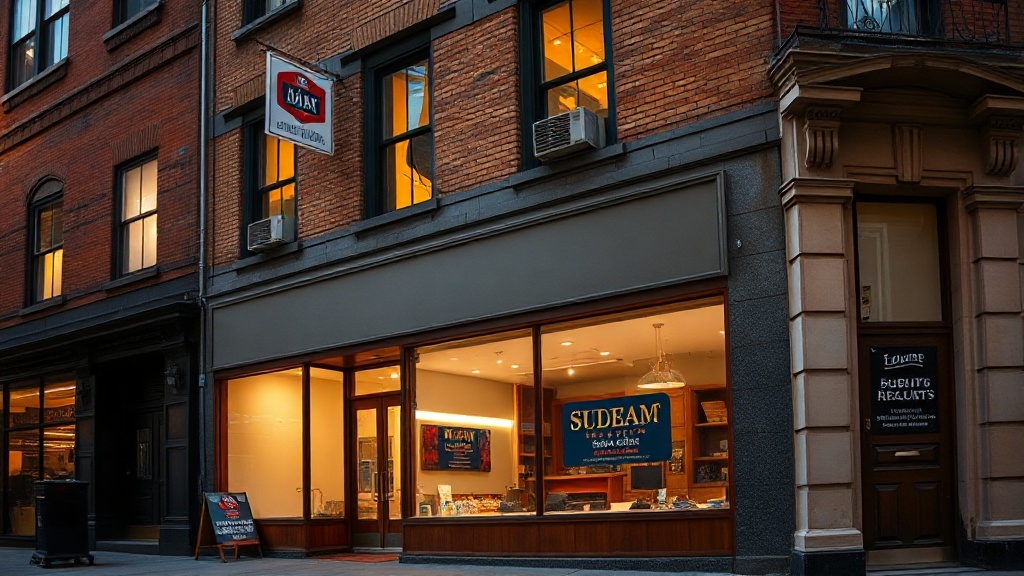
In a value-add play on Long Island, a 19,000-square-foot retail strip at 622-640 Oak St. in Copiague sold for $2.95 million. Deer Park-based buyer 640 Oak Plaza LLC is expected to pursue a planned revamp of the 10-unit property. The seller was Ciccio Holdings Corporation.
Reported in June 2026, the acquisition reflected roughly $153 per square foot for a 1947-built asset on 1.38 acres. The center was about 80% occupied at closing, with several expired leases supporting a value-add strategy. Broader real estate conditions have been mixed, with some markets seeing increased inventory and softer pricing as buyers gain leverage.
At least six businesses were operating, including a laundromat, eatery, studio, and hair salon. The location near Starbucks, 7-Eleven, and Target added context for daily traffic.
Transit access included a roughly 12-minute walk to the Copiague Long Island Rail Road station. Rear parking on Lambert Avenue and nearby community events reinforced the property’s local retail relevance.
What the Buyer Got at 622-640 Oak St
At 622-640 Oak St., 640 Oak Plaza LLC acquired a 19,000-square-foot retail strip with 10 spaces on 1.38 acres for $2.95 million, or about $153 per square foot.
The Copiague property is a multi-tenant neighborhood retail strip configured for local-serving businesses. Its 10 storefronts provide small-format space suited to everyday retail uses tied to neighborhood demographics.
The site gives the buyer a physical footprint large enough to support customer access and circulation. Its parking configuration and lot depth add to the practical appeal for a center intended to serve nearby households and pass-by traffic.
At closing, most of the space was occupied by neighborhood businesses, while a portion remained available. That mix gave the buyer an operating retail asset with room to refresh leasing and tenant placement over time.
The acquisition also comes amid a broader real estate environment shaped by buyer-leaning market conditions as inventory levels rise in some regions.


Price, Cap Rate, and Occupancy Explained
Several metrics sharpen the picture of this Copiague retail strip. The property at 622-640 Oak St. sold for $2.95 million and spans 19,000 square feet.
That works out to roughly $155 per square foot. That level sits within market trends for mid-sized New York retail assets.
It also shows how larger buildings can trade at lower per-square-foot figures than smaller properties.
Cap rate adds an income lens. In simple terms, it measures net operating income against purchase price.
Using an 8 percent benchmark common in retail marketing, a $2.95 million asset would imply about $236,000 in annual net operating income before financing.
Occupancy helps explain risk and income stability. The strip has 10 units, with at least six operating businesses.
That suggests at least 60 percent occupancy. The tenant mix included service and food-oriented uses.
How Renovation Could Raise Leasing Value
Renovation offers a direct path to higher leasing value by improving how the Copiague strip presents to tenants and customers.
Façade updates, fresh paint, modern signage, resurfaced parking, lighting, and cleaner pedestrian paths can make the property feel safer and more active.
These quick-win upgrades may support stronger asking rents by helping spaces appear move-in ready during marketing and tours.
Interior Readiness and Tenant Demand
Inside, flexible shell work, improved restrooms, and better common finishes can reduce fit-out time and downtime between leases.
Tenant-ready suites lower upfront capital friction for operators, which can widen the pool of prospects and strengthen tenant mix.
Lease Economics Under Pressure
The leasing payoff depends on lease economics.
If rent growth, longer terms, lower concessions, or stronger covenants outweigh renovation costs over time, the owner’s return can improve materially.
What the Sale Signals for Long Island Retail
In a supply-constrained market, the $2.95 million sale of a Copiague retail strip signals that investor demand for Long Island neighborhood retail remains intact. That is especially true for smaller centers with lease-up or repositioning potential.
With vacancy near 5% and rents around $35 per square foot, the market remains competitive rather than distressed. Limited new supply and transportation access continue to support pricing resilience.
| Indicator | Long Island Signal | Investment Read |
|---|---|---|
| Vacancy | 5% | Tight availability |
| Asking rent | $35/SF | Strong economics |
| New pipeline | 470,000 SF | Constrained supply |
| Q1 2026 sales | 7.3% cap, $327/SF | Disciplined underwriting |
The sale also reflects demographic shifts shaping tenant demand. Medical, wellness, service, and recreation users are expanding the neighborhood retail base.
These tenants favor flexible layouts and diversified income streams.
Assessment
The $2.95 million sale of the Copiague retail strip marks a measured but significant Long Island retail transaction.
With occupancy in place and renovation ahead, the property enters a higher-risk changeover period that could reshape tenant demand and rent levels.
The deal reflects continued investor interest in service-oriented neighborhood retail.
It also underscores a market reality in which value increasingly depends on physical upgrades, leasing execution, and the ability to stabilize aging suburban assets.