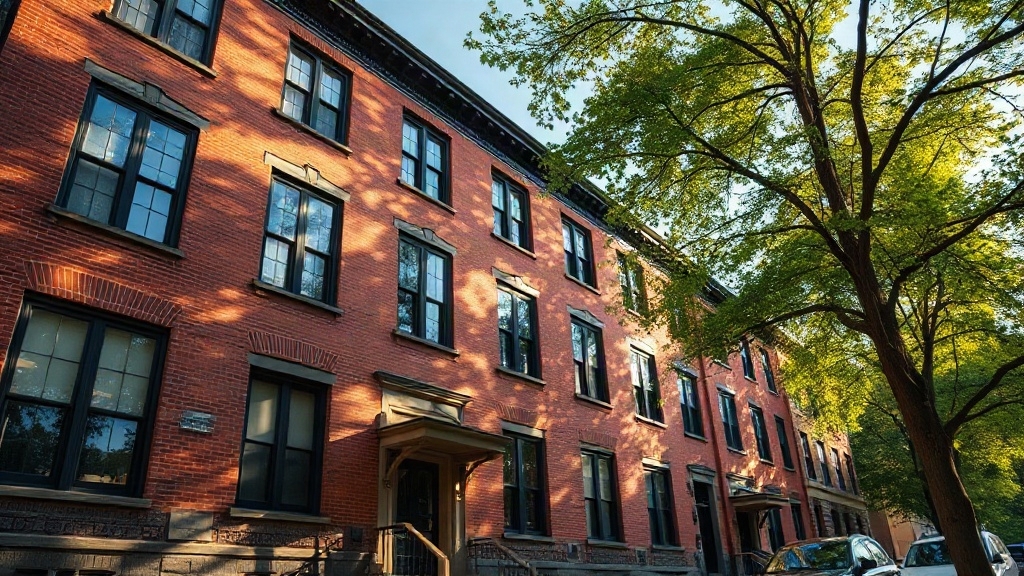


Why Condo HOA Fees Are So High
At the core of the issue, condo associations carry a much heavier maintenance burden than most single-family HOAs.
They maintain roofs, exterior walls, hallways, elevators, and shared mechanical systems, not just landscaping or neighborhood amenities.
Because plumbing, electrical, HVAC, and other building-wide components serve everyone, repair and replacement costs are centralized and consistently higher.
Budget Pressure Intensifies
Insurance trends also consume a larger share of condo budgets.
Associations insure shared structures, and premiums can rise sharply for older buildings or properties in weather-exposed areas.
In high-risk states like Florida, some associations have faced premium jumps of 50–100% or more at a single renewal.
Those costs are often passed directly into monthly dues.
A stricter reserve strategy adds further pressure.
Condos must regularly save for future work on elevators, roofs, structural systems, and major utilities.
This comes as broader housing markets face record investor sell-off conditions that are increasing inventory and adding volatility to buyer demand.
That pushes monthly fees above those in communities where owners carry more responsibility themselves.
What’s Driving Condo HOA Fee Increases
Rising condo HOA fees are being driven by a sharp convergence of insurance shocks, reserve funding demands, aging-building repairs, and inflation across labor and utilities.
In many markets, insurance inflation has turned master policy renewals into the biggest budget stress point.
Higher deductibles and catastrophe-linked reinsurance costs are forcing associations to collect more from owners.
Reserve catchup is also accelerating.
Boards are rebuilding underfunded capital accounts as reserve studies, structural mandates, and lender scrutiny require more realistic monthly contributions.
Owners face repeated notices tied to higher premiums, stricter funding targets, and mounting repair schedules.
Older buildings confront costly inspections, concrete work, elevator fixes, and code-driven remediation plans.
Everyday expenses such as electricity, water, security, landscaping, and management contracts keep resetting higher at renewal.
Deferred maintenance often magnifies all of it markedly.
In wildfire-exposed states, rising wildfire claims and faster insurer payouts are adding pressure to association master-policy costs and reserve planning.


How HOA Fees Change Condo Affordability
For condo buyers, HOA fees can decisively reshape affordability by increasing the true monthly housing payment far beyond principal and interest alone.
Lenders add dues to taxes, insurance, and mortgage costs, so a lower list price does not always mean a lower monthly outlay.
Even moderate fees can push housing ratios above underwriting limits, reducing flexibility for buyers already near budget ceilings.
Borrowing Power Erodes
Because lenders count HOA dues in debt-to-income calculations, every added fee dollar cuts borrowing power available for mortgage payments.
A common industry rule suggests each extra $100 in dues can trim purchasing power by roughly $15,000 to $20,000.
With national median fees at $135 in 2024, and millions of homes above $500, condo affordability can deteriorate quickly in many markets.
Why Older Condos Are Losing Buyers
Affordability pressure does not stop with monthly HOA dues. Many older condo buildings now carry financial and physical risks that buyers increasingly refuse to absorb.
Years of deferred maintenance in roofs, plumbing, electrical systems, waterproofing, and foundations can signal costly repairs ahead. Low reserves often mean special assessments, while rising insurance premiums make ownership costs less predictable.
Lenders have also grown stricter. Buildings with unresolved structural issues, failed inspections, or weak insurance can face financing challenges that shrink the buyer pool and delay sales.
Buyers see visible wear and fear surprise bills. Sellers face longer listing times and sharper price cuts.
Communities absorb stress when repairs, reserves, and coverage all fall short. Post-Surfside rules intensified scrutiny, adding caution around older projects with incomplete repairs or uncertain compliance.
What to Check Before Buying a Condo With HOA Fees
Before buying a condo with HOA fees, the association’s financial condition, rules, and insurance profile deserve the same scrutiny as the unit itself.
Buyers typically review the operating budget, reserve health, and any recent reserve study.
Underfunded reserves, deficit spending, emergency borrowing, or dues kept artificially low can signal future assessments.
Financial and Rule Red Flags
They also examine two years of financial statements, delinquency rates, liquidity, and recurring deficits.
Past special assessments, sudden fee jumps, and repeated repair costs may indicate unstable finances.
The governing documents should be read closely for rental caps, pet rules, renovation approvals, parking limits, resale restrictions, penalties, and lien authority.
Insurance coverage, deductibles, litigation, and lender warrantability can also affect long-term cost, financing access, and ownership risk materially.
Assessment
Escalating condo HOA fees are reshaping the U.S. housing market, especially in older buildings facing rising insurance, repair, and reserve costs.
As monthly dues climb toward unaffordable levels, buyers are retreating, financing grows harder, and resale pressure intensifies.
The result is a widening divide between newer, financially stable properties and aging condos burdened by deferred maintenance.
In many markets, HOA costs are no longer a secondary expense.
They are becoming the deciding factor in whether a condo sells.