Key Takeaways
- Tampa’s average apartment rents jumped 4.8% year-over-year, beating national averages.
- Submarkets like Brandon, Westshore, and Carrollwood are showing the strongest rent gains.
- Investors are focusing on suburban garden-style and mid-rise communities for value-add opportunities.
United States Real Estate Investor
United States Real Estate Investor
Tampa Multifamily Is Crushing Florida’s Rental Game in 2025
While Miami gets overpriced, Orlando sputters, and Jacksonville stays stuck in neutral, Tampa is igniting a rental revolution investors can’t afford to miss.
What’s fueling Tampa’s explosion—and why are smart investors doubling down right now while the competition snoozes?
Inside, you’ll uncover:
- The hidden forces behind Tampa’s 4.8% rent surge (and where it’s headed next)
- The suburban pockets spitting out cash flow like clockwork
- The brutal truth about why Tampa is eating Miami, Orlando, and Jacksonville alive in 2025
If you’re serious about winning the next phase of Florida investing, Tampa’s blueprint is the only map you need.
Let’s dive deeper.
Tampa, FL — Tampa’s multifamily market is heating up again.
According to a new report from Berkadia, average apartment rents in the Tampa Bay area jumped 4.8% year-over-year in Q1 2025, signaling a renewed surge in rental demand across one of the Southeast’s most dynamic metros.
The rental growth, fueled by population influx, steady job creation, and lifestyle migration, outpaces national averages and reinforces Tampa’s position as a major target for multifamily investors seeking cash flow and long-term appreciation.
Integral Investor Insights into the Tampa Temperature Rise
- Tampa’s average multifamily rents rose 4.8% year-over-year, leading much of the Southeast.
- Submarkets like Brandon, Westshore, and Carrollwood are outperforming, with above-average rent gains.
- Investors are targeting mid-rise and garden-style communities for value-add plays and stabilized returns.
Why Tampa’s Momentum Matters
The fundamentals are stacking up fast.
Tampa continues to benefit from strong in-migration, with an influx of remote workers, retirees, and young professionals fleeing higher-cost markets.
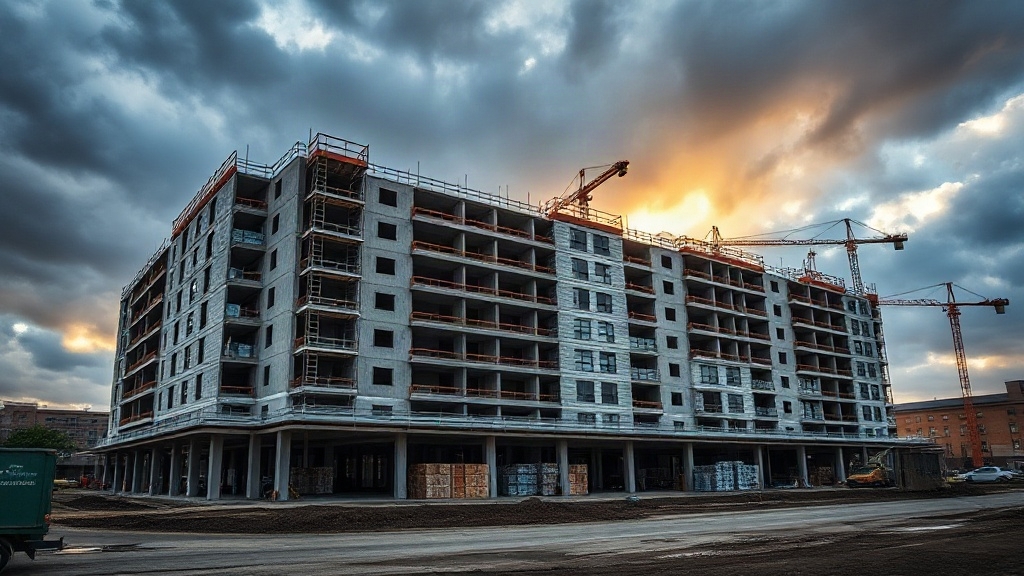
Coupled with a resilient labor market centered on healthcare, finance, and tech, rental demand has remained resilient, even as new construction delivers thousands of additional units.
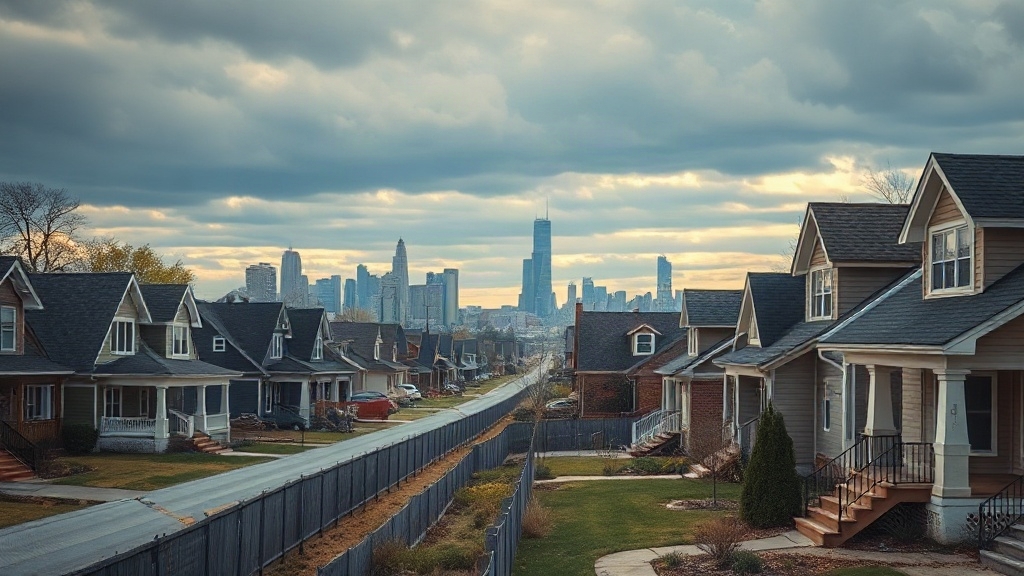
Vacancy rates, while slightly up due to new inventory, are being quickly absorbed, particularly in suburban submarkets where affordability and lifestyle appeal converge.
Developers are pushing forward with new projects, but the sheer volume of population growth is keeping upward pressure on rents across the board.
United States Real Estate Investor
United States Real Estate Investor
Tampa vs. Florida’s Major Rental Markets: Q1 2025 Snapshot
Tampa’s multifamily market is outperforming many of its Florida peers in early 2025, showcasing resilience and investor appeal.
While some cities are experiencing rent declines or stagnation, Tampa’s rental sector is demonstrating robust growth.
Tampa: Leading the Pack
In Q1 2025, Tampa’s average apartment rents increased by 4.8% year-over-year, surpassing national averages.
Submarkets such as Brandon, Westshore, and Carrollwood are experiencing significant rent gains, attracting investors to mid-rise and garden-style communities.
Orlando: Stabilizing After Declines
Orlando’s rental market is showing signs of stabilization after previous declines.
While Q1 2025 rent growth has been more modest, projections suggest the market will pick up momentum by the end of the year, with areas like East Outlying and East Orlando leading the recovery.
Jacksonville: Affordable with Steady Demand
Jacksonville remains one of Florida’s more affordable rental markets.
As of early 2025, average rents are stabilizing after a period of moderate decline, driven by steady population growth and consistent job migration.
Miami: High Rents with Modest Growth
Miami continues to command the highest rental prices in Florida, with average monthly rents around $3,000. While rental growth in Q1 2025 has been modest, the market remains attractive for high-end investors, despite challenges like elevated insurance costs and climate risk considerations.
Tampa’s strong rent growth and high absorption rates position it as a leading market for multifamily investment in Florida.
While Orlando and Jacksonville offer opportunities in stabilization and affordability, respectively,
Miami presents luxury investment prospects but with added risk. For cash flow-focused investors, Tampa remains the clear standout in 2025.
Assessment
For real estate investors, Tampa’s multifamily sector offers a compelling blend of growth, stability, and future upside.
Targeting suburban garden-style communities and mid-tier assets with light renovation needs could yield particularly strong returns in today’s environment.
With national rental growth moderating elsewhere, Tampa’s resilience makes it one of the Southeast’s most promising arenas for serious multifamily investors.





























6 Responses
Interesting read! But are these surging rental prices in Tampa sustainable or just another real estate bubble waiting to burst?
Interesting, but is Tampas rent surge sustainable or just another real estate bubble waiting to burst? Thoughts?
Interesting surge, but isnt this just creating a bubble? What about the long-term sustainability for renters and investors alike? #FoodForThought #TampaRentalSurge
Bubble or not, its survival of the fittest. Renters, investors – adapt or perish! #HarshReality #TampaRentalSurge
Is Tampas rent surge just a bubble? Arent we ignoring the effects of rising temperatures on living conditions? Just food for thought…
Impressive Tampa rent surge, but shouldnt we be more focused on making housing affordable rather than profiting off it? Just food for thought.