



Vacancy Rates and Sublease Dynamics
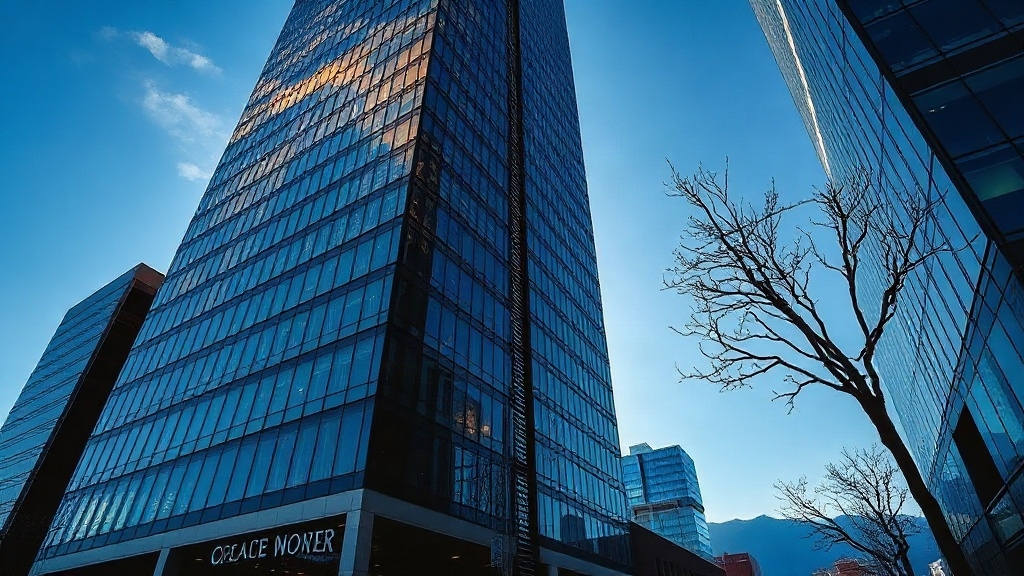
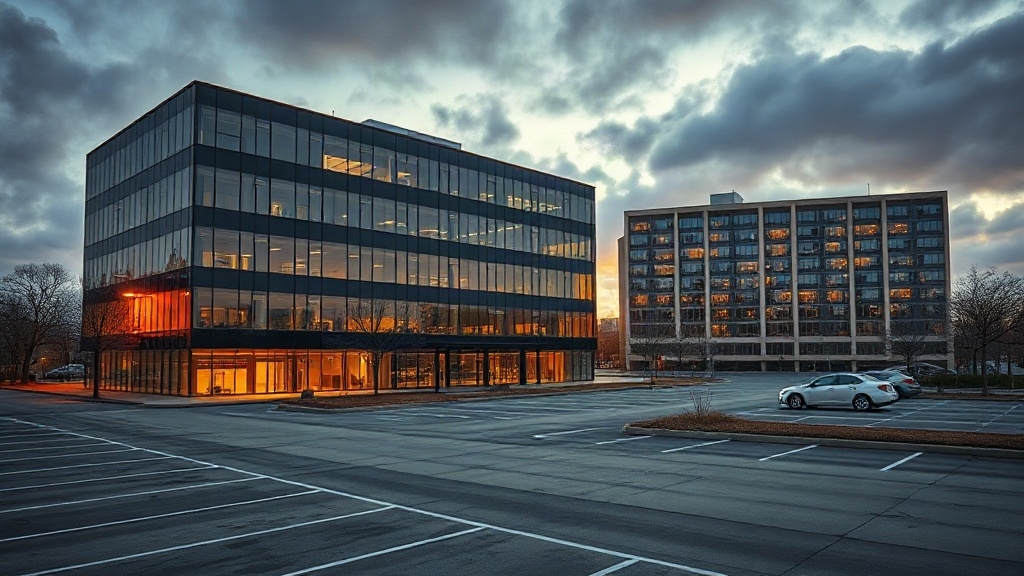
The downtown Denver office market is experiencing significant disruption, with vacancy rates climbing to 36.8% in Q2 2025. This surge is partly due to sublease trends, which represent a substantial portion of the total vacancies. Despite the continuous decrease in sublease availability, now around 1.4 million square feet, its impact on overall vacancy remains limited. Subleasing trends emphasize a demand for flexible workspace options, especially among companies adopting remote or hybrid work models. High-quality, newer subleased spaces are preferred by tenants looking for such flexibility. Amid these dynamics, the office vacancy in downtown Denver reached 35.3% at the end of Q1 2025, continuing to highlight the market’s struggle to absorb vacant spaces. While sublease dynamics help stabilize vacancy rates by redistributing unused space, the downtown Denver office market still struggles with high vacancy levels. These trends highlight the challenges in adapting to shifting workplace preferences.
Economic Pressures on Office Leasing
Facing turbulent economic winds, the Denver office leasing market is strapped with financial pressures. The situation is exacerbated by delinquent loans, with nearly 25% of CMBS loans in distress, raising default risks. Tenant concessions have become a norm as landlords seek to attract tenants amidst these fiscal constraints. Despite slight rent declines, the demand for modern, amenity-rich spaces persists. This flight to quality sees tenants favoring Class A buildings, often in suburban areas. A significant movement towards higher-quality office spaces is observed, particularly within Class-B buildings, driven by a combination of tenant preferences and market conditions. Meanwhile, high vacancy rates intensify the financial strain, making distressed asset sales more likely. Landlords confront rising vacancy challenges by negotiating concessions and refinancing in a tight lending market. These dynamics highlight the ongoing tension between maintaining occupancy and meeting economic pressures in Denver’s struggling office market.

Supply, Construction Trends, and Market Segmentations
Anxiety envelops Denver’s office market as vacancy rates surge to alarming heights. Supply trends paint a troubling scenario.
Downtown vacancies are spiking to 36.8% by Q2 2025. The surge in available office space outpaces leasing efforts.
This is rooted in post-pandemic shifts in work environments. Construction challenges further exacerbate the situation.
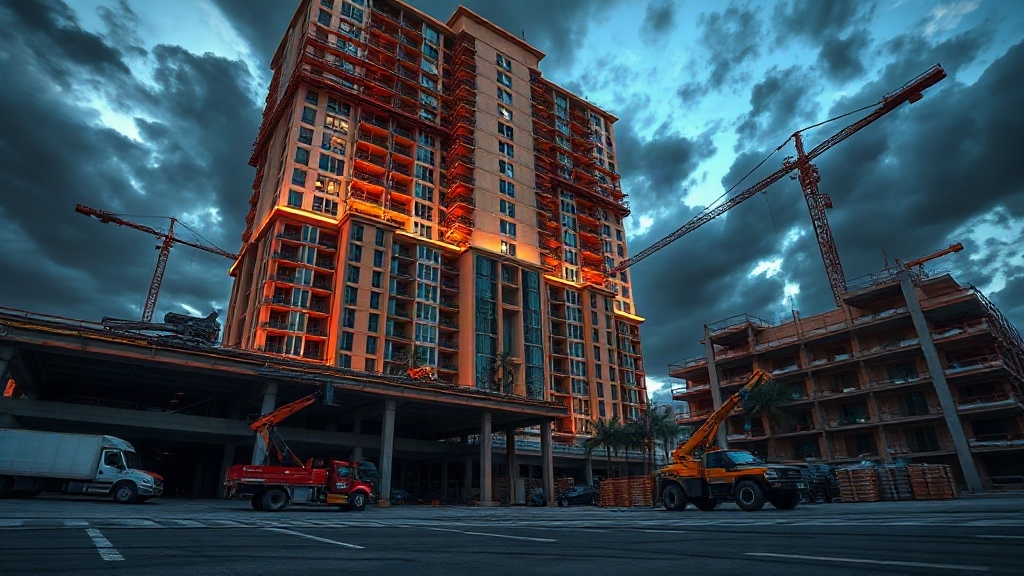
Development halts in favor of demolitions and conversions. These market adaptations reflect financial strains.
The shift is towards modern, desirable workspaces. Geographic and submarket segmentation plays a vital role.
Core areas like the Central Business District see higher vacancies. Meanwhile, emerging submarkets like RiNo and Cherry Creek are thriving.
Tenant movements to these areas highlight spatial segmentations. Contemporary office spaces are in high demand.
Older submarkets face rising obsolescence. This trend mirrors what is happening in New York City, where high interest rates have contributed to major developers pausing projects amid market uncertainty.
The Path Forward: Leasing Market Outlook
Denver’s office market, while outwardly optimistic, is navigating challenging times as parties gear up for recovery.
Leasing strategies are now shifting to areas that show positive momentum to enhance market absorption.
A marked trend is the flight-to-quality, driven by tenant preferences in the market.
Demand is increasing for Class A spaces in strategic suburban areas like Cherry Creek and Aurora, where net absorption is positive.
Tenants are leaning towards smaller, flexible spaces, around ±5,000 square feet, pointing to a cautious expansion approach.
Despite downtown vacancies remaining above 30%, the suburban market dynamics offer promising prospects.
Slight decreases in rent and less sublease availability hint at gradual improvements, painting a picture of cautious optimism.
Nevertheless, high availability rates highlight the necessity for strategic adaptations moving forward.
Assessment
The Denver office market faces a challenging journey ahead.
With a staggering 36 percent vacancy rate, the sector grapples with sublease complexities and economic pressures.
Fluctuating construction trends further add to the difficulties.
Real estate stakeholders must navigate these challenges carefully to stabilize the market.
As Denver’s office environment continues to evolve, strategic adaptations will be crucial.
Addressing current realities is essential to guide future leasing opportunities.
The decisions made today will have lasting impacts on Denver’s commercial real estate trajectory.
















5 Responses
Crazy thought, but with 36% vacancy, why arent we converting these offices into affordable housing? Market segmentation, anyone?
Wow, hit 36%! Is this the new norm or just a pandemic hiccup? Maybe its time Denver rethinks its office space strategy. 🤔💡
Honestly, with the rising vacancy rates, isnt it about time Denver considers converting office spaces into affordable housing? Just a wild thought.
Wild thought indeed! Ever considered the cost of such conversions? Not exactly affordable.
36% vacancy, huh? Maybe if Denver offices cut rents like Netflix cuts shows, wed see more startups filling those spaces! 🤔💼🏢