
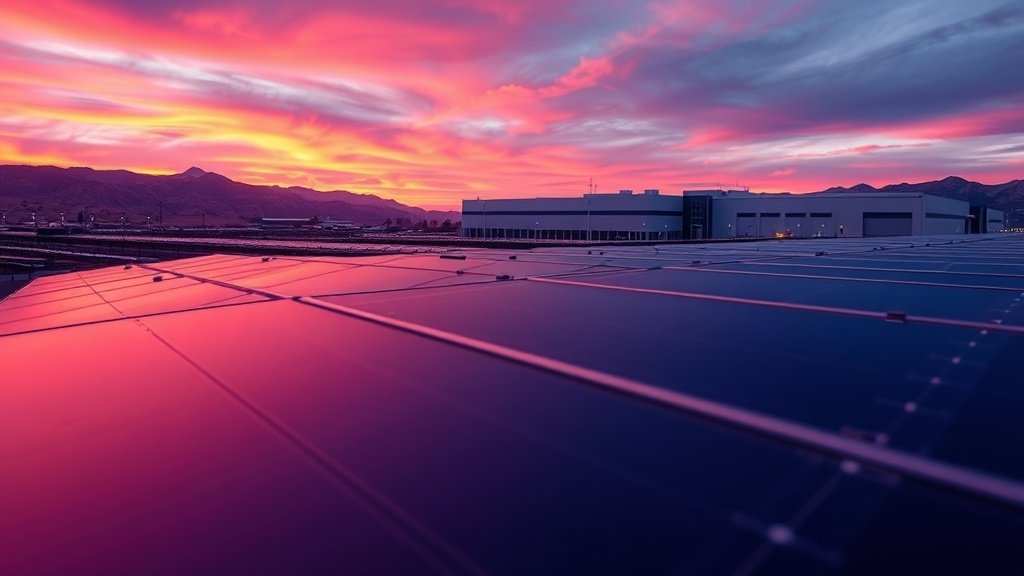


Transformative Impact of the SF Gateway Project
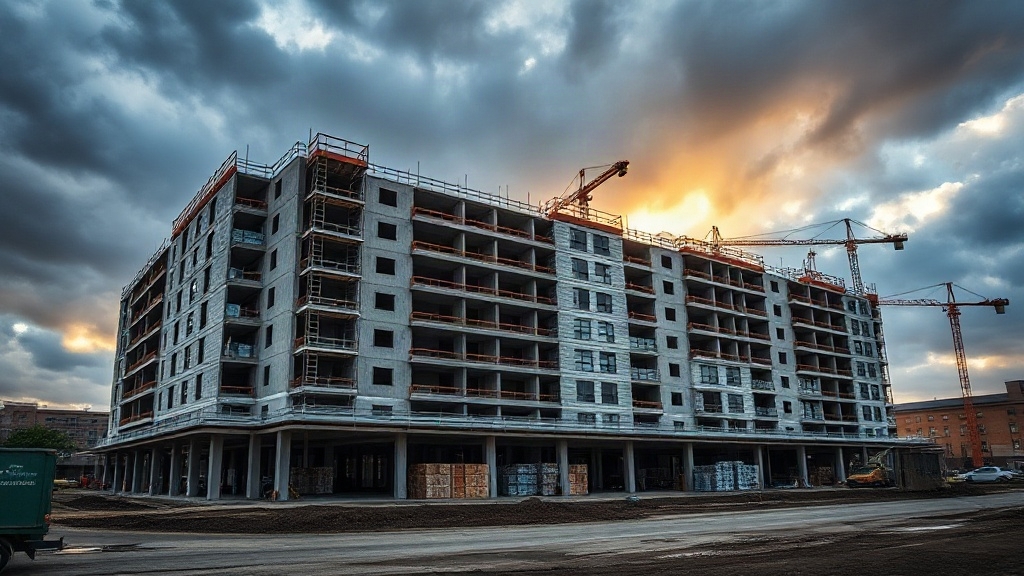
San Francisco is preparing for the ambitious SF Gateway Project, a major industrial real estate initiative. This undertaking is set to reshape the urban landscape by transforming 17 acres in Bayview Hunters Point.
The development includes plans for two multi-story buildings reaching nearly 100 feet in height. While the project promises benefits like $50 million in streetscape improvements, it also raises environmental concerns. Prologis has received approval from the Planning Commission which signifies a critical step forward for this large-scale project.
Local residents express skepticism about increased diesel traffic and potential air pollution. These worries are particularly significant in an area already grappling with contamination issues.
To promote sustainability, the project incorporates features like rooftop solar panels and maker spaces.
However, balancing development promises with environmental justice is complex in this historically impacted neighborhood.
Integration of AI and Real Estate: Prologis’ Strategic Flywheels
In the competitive real estate industry, agility and precision are crucial. Prologis leverages the power of artificial intelligence to transform real estate development. AI applications expedite the analysis of site and environmental data. What once took months can now be achieved in mere minutes. This facilitates seamless data integration, allowing the inclusion of datasets—like wetland maps and zoning details—from the project’s start. This optimizes planning and reduces bottlenecks. Rapid identification of zoning restrictions enhances early decision-making. Design iterations are generated quickly, providing early cost estimates. AI streamlines operations, freeing architectural and development teams from labor-intensive manual data preparation tasks. For Prologis, the personalized customization offered by AI is vital to tailor building models while maintaining industry standards. Prologis strategically uses AI to enhance its real estate assets with both precision and agility.


Powering the Future: Prologis’ Data Center Expansion Plans
Revving up its engines in the data center arena, Prologis accelerates with ambitious plans to expand its data center power capacity to 10 gigawatts (GW) in the coming decade. This move highlights their strong commitment to increasing data capacity and robust infrastructure investment. Securing 1.4GW of power and advancing 1.6GW further, Prologis positions itself as a significant player in the market. With 1.5GW of data center projects in the pipeline, they leverage their vast portfolio spanning over 6,000 buildings. Strategic asset conversion from logistics to data centers drives this expansion. Prologis’ method includes vital infrastructure investments like private substations, ensuring scalability for future demands. Under Chris Curtis, the company focuses on bolstering sustainable power solutions for AI-driven data needs. Tokenization facilitates fractional ownership by dividing high-value properties into smaller, tradable digital tokens, making real estate investment more accessible and practical.
Adapting Existing Real Estate for Technological Advancements
Prologis is making bold strides in expanding its data centers. Alongside this, there’s a parallel focus on retrofitting existing real estate with modern tech. Integrating IoT into smart building automation can significantly enhance energy efficiency. This makes buildings more sustainable and user-friendly. Three key advancements in this adaptation process are highlighted. Firstly, IoT devices enable real-time monitoring. They allow precise control of HVAC, lighting, and security systems, optimizing energy usage and comfort. Secondly, predictive maintenance is achieved through smart sensors. These sensors minimize downtime and extend asset lifespans via data-driven performance tracking. Lastly, AI analytics play a crucial role. Data from IoT devices gets analyzed to aid building management, aligning operations with tech advancements. Blockchain solutions complement this IoT integration. They streamline property management processes and boost transaction transparency. The shift towards IoT and blockchain is crucial for real estate’s evolution. This integration is vital for modernizing existing infrastructures and meeting future demands. Furthermore, implementing energy-efficient materials can substantially decrease utility expenses, contributing to financial savings and environmental benefits.
Market Trends and Performance in AI-Driven Real Estate
The AI-driven real estate market is rapidly transforming as technology converges with property. This convergence is reinventing market dynamics.
With an impressive annual growth rate of 11.52%, the market is expected to reach approximately $1,047 million by 2032. A surge in PropTech investments indicates an enthusiastic adoption of AI integration.
These trends reflect the doubling of private AI investments in the US, underscoring AI’s impact on real estate demand. The U.S. AI real estate footprint is projected to cover 2.04 million square meters by 2024.
Between 2024 and 2028, the AI-driven market is set to grow from $222.65 billion to $303.06 billion. This expansion highlights the strategic importance of AI in real estate’s future.
Assessment
Prologis is reshaping the environment of real estate by spearheading the integration of artificial intelligence into property management and development.
The bold steps taken in the SF Gateway Project highlight a pivotal transformation.
Strategic advancements in data center expansions and adaptive reuse strategies position Prologis at the forefront of a rapidly evolving market.
As these technologically-driven initiatives gain momentum, Prologis sets a precedent for future innovations at the intersection of AI and real estate.






















5 Responses
Prologis AI venture for RE seems promising, but arent we just feeding a tech-bubble bound to burst? What about the human element? Thoughts?
While Prologis AI integration sounds impressive, I cant help but wonder if were over-relying on tech. What about human touch in real estate? Seems lost.
Tech advancement doesnt erase human touch; it enhances efficiency. Balance is key, not resistance.
Interesting read but isnt AI in real estate making property unaffordable for the average Joe? Whats Prologis stance on this?
Interesting read, but isnt AI in real estate just another way to inflate property prices? What about affordable housing? Thoughts?