

The $31M Florida Farmland Sale Explained
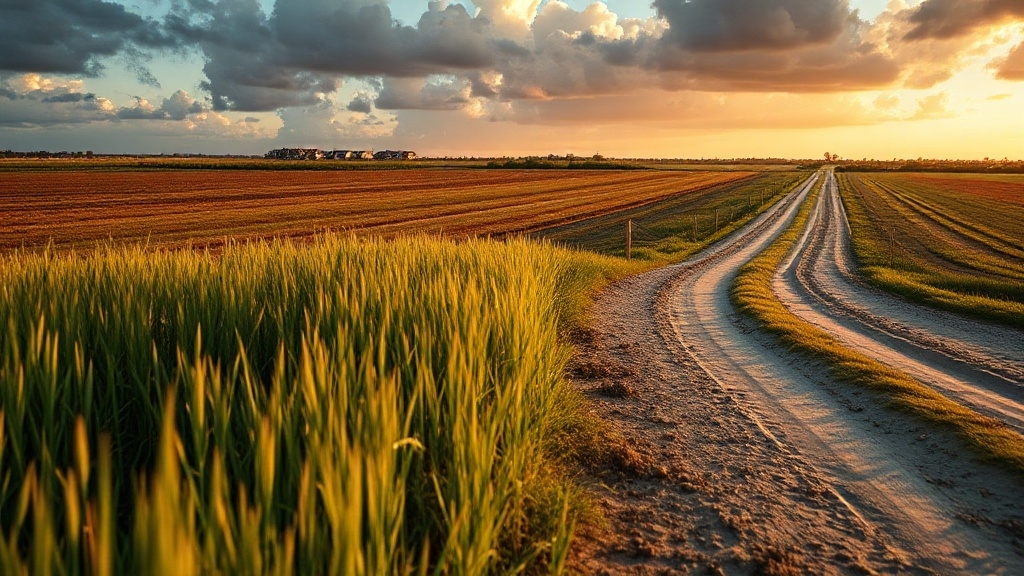
A $31 million land transaction in Polk County, Florida, has set the stage for the conversion of a vast farmland tract spanning hundreds of acres into nearly 750 homes.
The sale is significant because it is tied directly to redevelopment, not a passive farm acquisition.
It reflects a clear shift from agricultural use to residential use at meaningful scale.
The project specifically envisions 747 single-family homes on the site.
For housing analysts, the deal represents the cost of releasing a large neighborhood-style project.
That framing highlights zoning implications, entitlement timing, and infrastructure demands. Similar Florida redevelopment efforts, including Orlando’s construction loan activity, underscore how large housing-related projects increasingly depend on coordinated financing and phased execution.
The transaction also fits broader Florida market dynamics.
State reporting shows rising agricultural land values, with 2024 transaction totals reaching $231,356,953, average farm sales at 397.64 acres, and average pricing at $10,403.56 per acre.
Against that backdrop, the Polk County purchase stands out as a housing-driven land conversion.
Where the Polk County Site Is Located
Within Central Florida, the Polk County site sits in an inland corridor between the Tampa and Orlando metro areas. This places the farmland sale in one of the state’s most active growth belts.
The property is best understood as Polk County farmland within a broad rural-agricultural terrain rather than a single urban parcel.
Listings tied to the Bartow Area and nearby communities show how county farmland is spread across multiple inland locations.
Key Reference Points
- Bartow serves as a central location marker in Polk County land listings.
- Fort Meade appears repeatedly on addresses such as Homeland-Garfield Road and Gabriel Road.
- Winter Haven listings include agricultural sites along Recker Highway.
- Lakeland and Polk City also appear as inland acreage hubs.
- Countywide listings reflect groves, ranches, and working-land parcels.
This geography places the sale within an interior farm market. It also reflects a strong agricultural identity today. Similar Sun Belt growth patterns are unfolding elsewhere, with increased inventory and cooling home sales reshaping buyer behavior in markets like Las Vegas.


How the Land Could Add 750 Homes
That development pressure now becomes more concrete in Lake County, where the nearly 700-acre Mount Dora property tied to Long & Scott Farms is being positioned for a residential buildout of about 750 homes.
The $31 million sale, confirmed as moving forward by Long & Scott Farms president Hank Scott, would convert hundreds of acres into residential zones while retaining some agricultural features and adding golf courses.
Approval Risks and Service Demands
No county approvals are in place, and the transaction is expected to take 18 to 24 months as officials review zoning issues and hear public input at a March 3 community meeting.
If advanced, the scale of 750 units would require infrastructure planning around roads, utilities, and drainage.
It would also raise questions about school capacity and the pace of service expansion in the Mount Dora area.
Why Florida Farmland Is Drawing Developers
Rising population, limited buildable land, and expanding infrastructure are intensifying competition for Florida farmland. This is especially true in high-growth corridors near cities, highways, and economic hubs.
Developers are drawn to large tracts where rising per-acre values reflect zoning potential, transport access, and regional job growth. University of Florida research has identified persistent nonagricultural demand as a major force behind higher farmland prices.
Key Forces Raising Interest
- Scarce land near cities and ports commands premium pricing.
- Productive soils and irrigation strengthen investment appeal.
- Greenbelt tax incentives can reduce holding costs markedly.
- Minimal agricultural use may preserve favorable tax treatment.
- Conservation easements shape where development pressure shifts.
Florida farmland also attracts investors because sizable parcels support long-term assembly strategies. Average 2024 farm sale prices and tract sizes indicate sustained demand for acreage with both agricultural and future redevelopment value.
What This Sale Means for Future Housing
For Florida housing markets, the Polk County farmland sale signals how large agricultural tracts can quickly become future residential supply when buyers control enough acreage for planned communities.
Nearly 750 units on hundreds of acres suggest meaningful market impact. But housing delivery still depends on roads, utilities, drainage, and approvals before builders can move.
| Factor | Housing effect | Constraint |
|---|---|---|
| Acreage | More product types | Long timelines |
| Infrastructure | Build-ready lots | High capital |
| Approvals | Future absorption | Political risk |
Large parcels can support detached homes, villas, and land for community services.
That flexibility can shape pricing. Some Florida conversions lean toward higher-end homes, while others add workforce units.
The sale clears a path, not a guarantee, for future housing and phased neighborhood growth across Florida.
Assessment
The $31 million sale marks another shift in Florida’s land market, where agricultural acreage is increasingly being repositioned for residential growth.
In Polk County, the site’s potential for roughly 750 homes underscores the pressure to convert rural land into housing supply.
The transaction also reflects a broader development pattern tied to population gains, land scarcity, and rising demand.
Its long-term impact will depend on zoning, infrastructure capacity, and the pace of regional homebuilding.