

Market Dynamics in Dallas
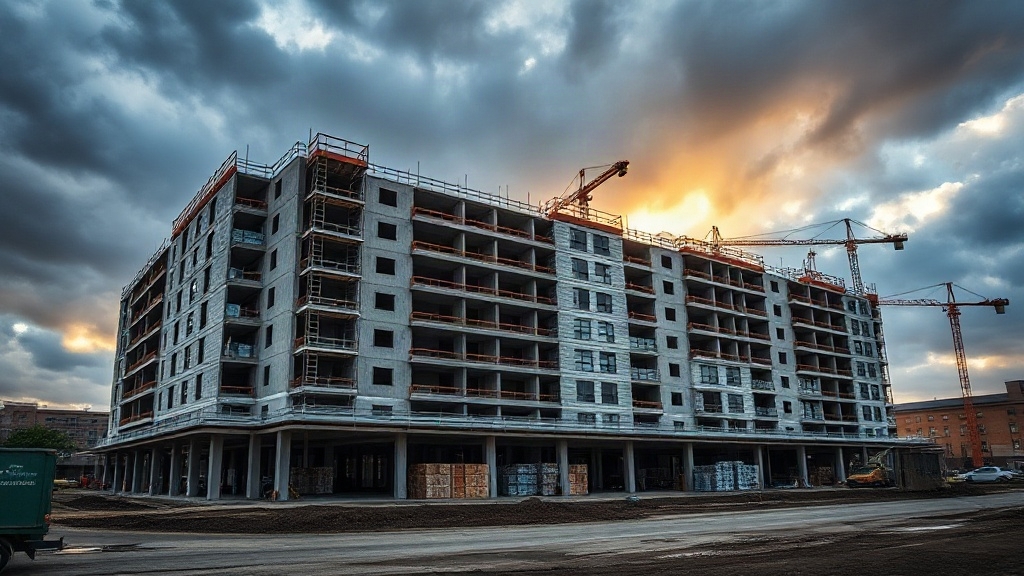
As a demonstration of its robust growth, Dallas’s housing market presents a unique setting marked by contrasts and complexities. The diverse buyer demographics, from first-time purchasers to luxury seekers, maneuver an affluent yet challenging market environment shaped by economic shifts and evolving preferences. In 2025, heightened housing inventory across Dallas-Fort Worth surpassed historical peaks. This signified a change into a buyer’s market. Active listings reached approximately 29,000 by May, largely increasing options for diverse buyers. This shift offers enhanced negotiation power. Evidence of this is seen in 66% of homes closing below list price. An inventory surge akin to the U.S. market trends indicates potential destabilization risks. Suburban developments such as McKinney, which is the No. 1 best city for renters, experience growth through new construction. Broader regional trends indicate opportunities for buyers. This occurs amid fluctuating prices and surging inventory levels. The housing realm in Dallas is thus highlighted as multifaceted.
Impact of Rising Cancellation Rates
The Dallas housing market is now a buyer’s market, but it’s facing challenges due to rising cancellation rates. This shift significantly affects the local real estate landscape.
Many buyers are hesitant, reconsidering their commitments amid economic uncertainties. This hesitance is leading to increased cancellations with notable consequences.
Dallas County saw a year-over-year cancellation increase of 42%, which is part of a broader national trend. Local cancellation rates often exceed those in other areas.
Several factors contribute to these high cancellation rates. Elevated mortgage rates, averaging around 7%, are one key driver. The housing inventory across North Texas reached 5.4 months, marking the highest level since 2003, which adds to the imbalance between supply and demand.
Buyers are also worried about economic instability and high inflation. Moreover, competitive incentives for new homes make buyers rethink resale deals.
Another aspect is the increased caution due to higher home insurance premiums. These factors highlight the financial and economic pressures on buyer decisions.
This situation affects market stability in Dallas and the surrounding regions.


Shifts in Buyer and Seller Leverage
The Dallas housing market is undergoing significant changes. With rising home insurance premiums and ongoing economic uncertainties, both buyers and sellers are experiencing shifts in leverage.
A surge in inventory, where new listings surpass pending sales, provides strategic advantages to buyers. This condition empowers them in negotiations.
Sellers, on the other hand, are forced to consider price reductions due to these market changes. Buyers benefit greatly as they now have more options with the current inventory level standing at 42,784 homes.
The sale-to-list price ratio, now at 93%, further bolsters buyers’ negotiation power. Additionally, homes staying on the market for a median of 76 days enhances buyer strategies.
Price reductions are becoming more frequent, with 5,371 decreases noted, which increases buyer influence.
Currently, elevated mortgage rates at 9.3% are worsening buyer affordability, making it difficult to sustain transactions in a cooling market.
Meanwhile, the disparity between new listings (3,400) and pending listings (2,149) highlights a shift towards buyer dominance.
Pricing Trends and Adjustments
The Dallas housing market is witnessing significant pricing trends and adjustments. This is shaping a new landscape for both buyers and sellers.
Median home prices in Dallas have seen a 4.7% decline over the past year. This decline is part of broader market corrections.
Inventories have surged, reaching levels higher than those in 2017 and 2018. This increase is contributing to price adjustments as competitive pricing becomes more prominent.
Key observations reveal that 66% of homes sold below list prices in March 2025. This allows buyers to have more leverage.
Price corrections are particularly noticeable in entry-level and mid-market segments. The median price decline from $408,000 to $399,000 indicates a mild market correction.
Home values are expected to decrease by another 2.2% by May 2026. This suggests further adjustments in the Dallas housing market. A prominent characteristic of the current housing affordability crisis is the influence of rising prices which continue to exacerbate challenges and pressures experienced in the broader U.S. housing market.
Financing Environment and Buyer Confidence
Amid notable pricing trends and adjustments, the spotlight is on the financing environment and buyer confidence in Dallas.
Current mortgage rates, hovering around 6.4% to 6.5%, have enhanced mortgage affordability relative to earlier in 2025. This may ease some financial burdens for potential buyers.
While financing costs spiked with high rates earlier in the year, recent rate stabilization suggests a re-balancing market setting. Potential Fed rate cuts could also boost confidence.
As cash buyers dominate, securing distressed properties with discounts, traditional buyers find themselves in a competitive market environment.
Inventory levels have risen, now 70% above the long-term average. As a result, homes are on the market longer, sparking buyer hesitation.
Homes now receive an average of three offers, providing buyers greater negotiation leverage.
A stable economic environment, supported by strong employment sectors, boosts buyer assurance. There’s prevailing cautious optimism despite challenges.
Assessment
The Dallas housing market faces unprecedented challenges as cancellation rates soar. This disruption affects traditional buyer-seller dynamics.
Elevated financing hurdles are part of the problem. At the same time, waning buyer confidence further exacerbates the uncertainty.
Sellers are now under pressure to adjust pricing strategies swiftly. This shift is necessary to accommodate the changing market conditions.
The evolving terrain demands adaptability from all stakeholders involved in transactions. As Dallas maneuvers through a precarious real estate environment, vigilance is key.
Stakeholders must anticipate further fluctuations. Quickly adjusting strategies will be crucial to mitigate ongoing disruptions in the market.