

Key Components and Scale
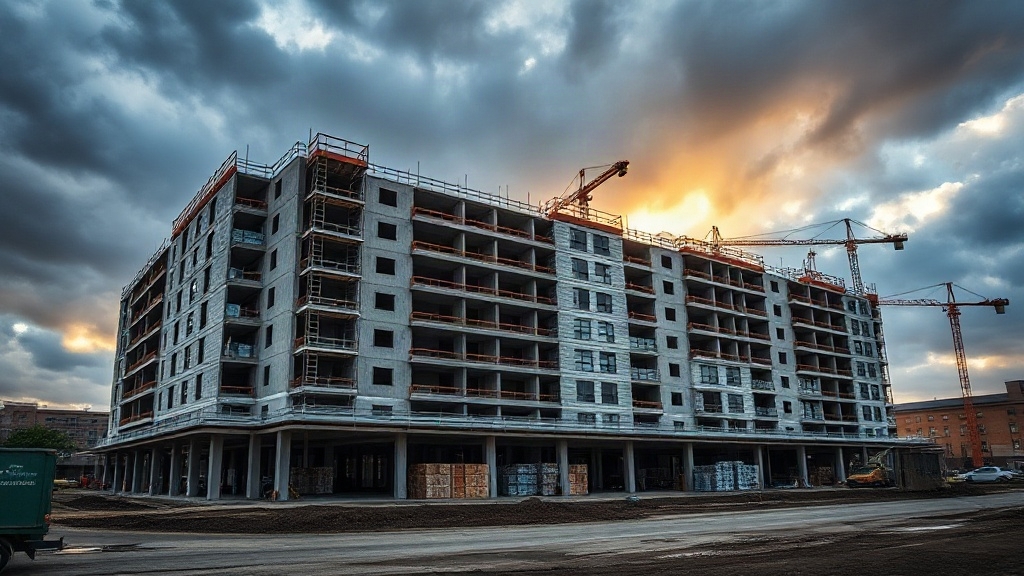
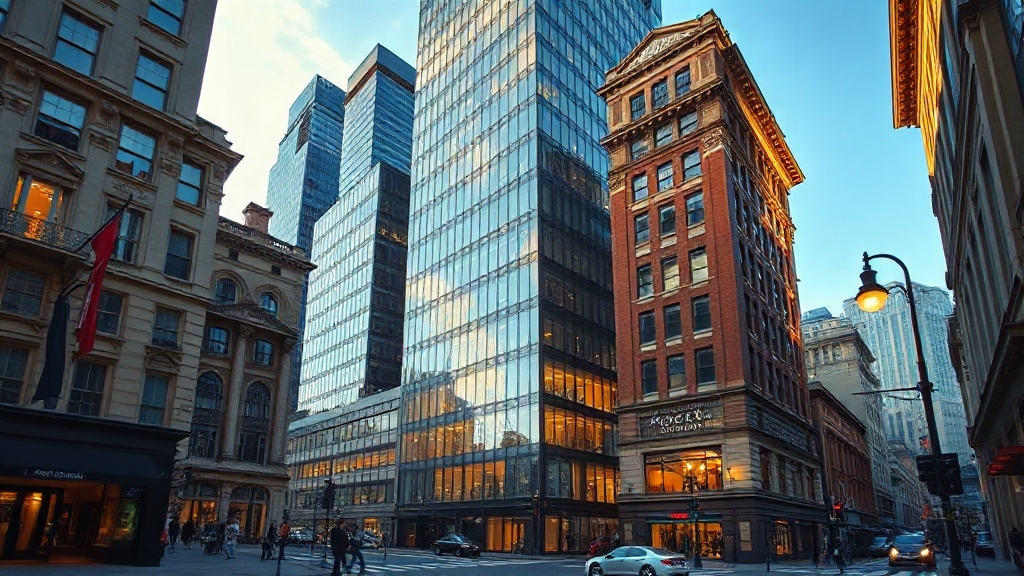
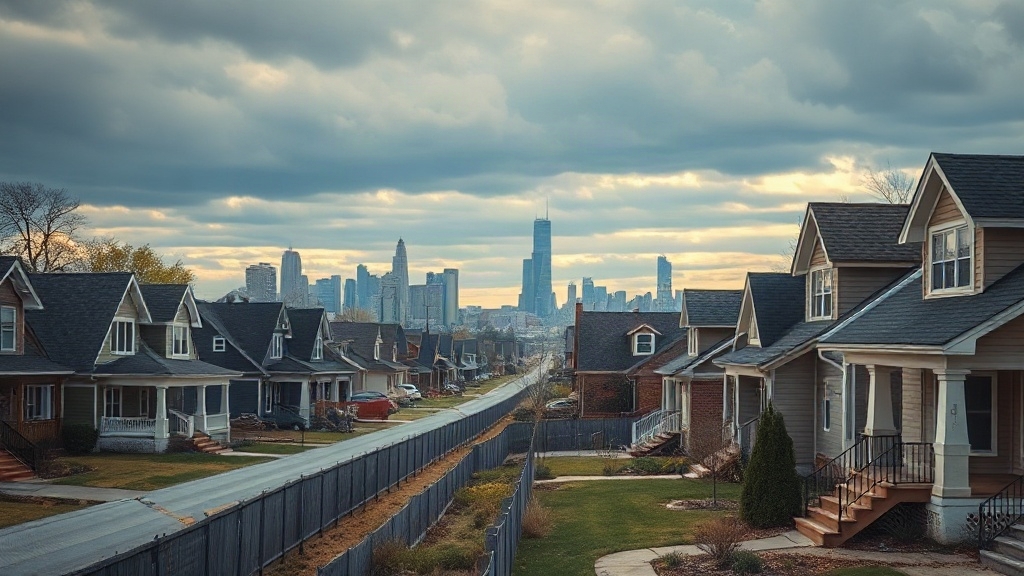
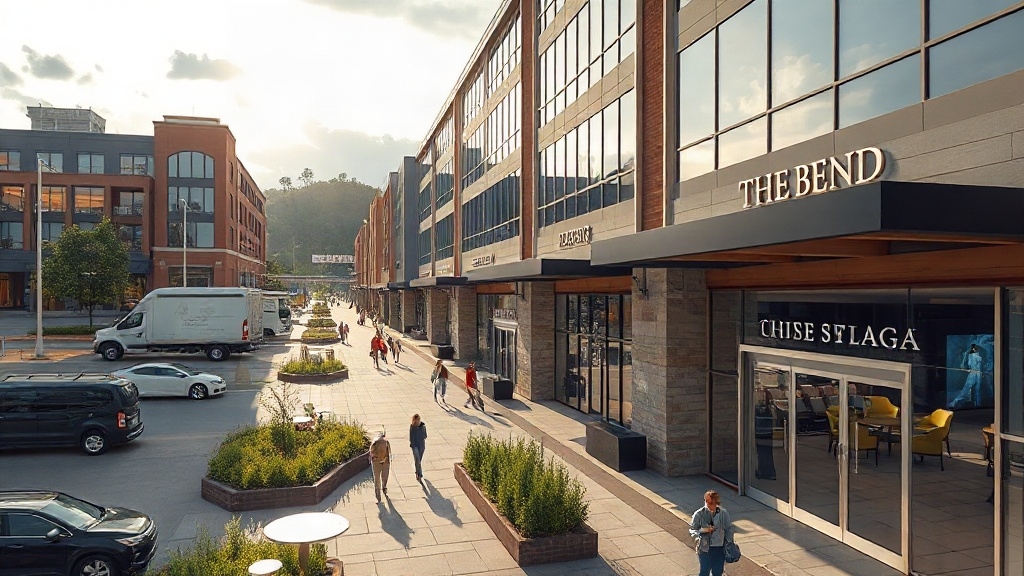
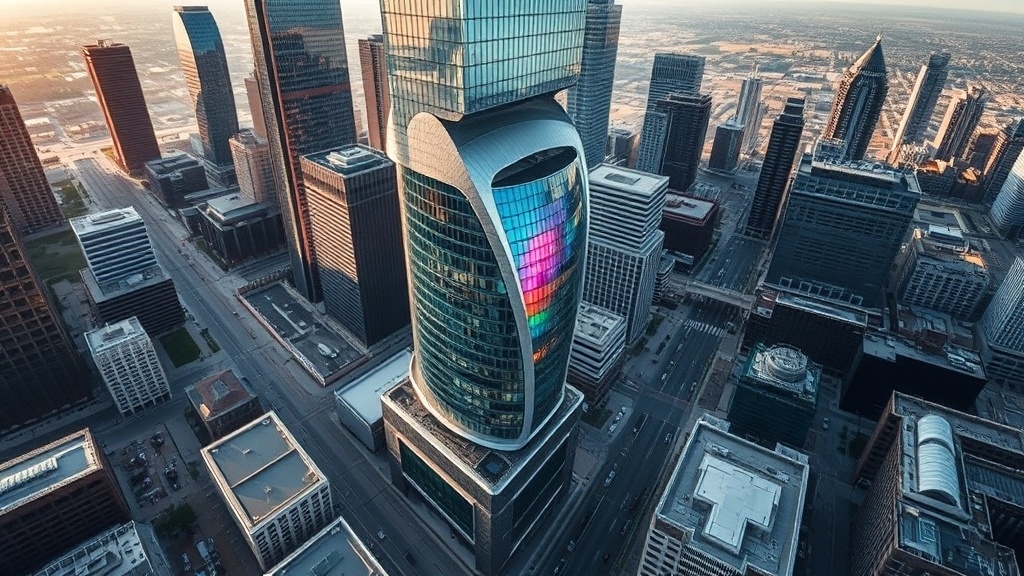
The Dallas 10B Mega Project is a transformative urban development effort redefining cityscape standards on an unprecedented scale. It aims to revolutionize over 2,500 acres of ranch land into interconnected neighborhoods, combining residential and commercial spaces seamlessly. This groundbreaking approach aligns with other significant development initiatives within Dallas, such as the redevelopment of the iconic Bank of America tower. Miami’s industrial lease rates, though distinct, reflect a similar pattern of intense demand and supply challenges, where competition for prime industrial spaces has rapidly increased. The initial phase features 630 homes, as part of a vision to build up to 14,000 residential units. These include both single-family and multifamily options, integrated with dynamic commercial zones. A key component of phase one is the inclusion of 114,000 square feet of office space. Future expansion plans project this capacity to exceed 1 million square feet. The project aims to create a holistic live-work-play environment with competitive pricing and state-of-the-art amenities. This expansive mixed-use development fosters a dynamic urban framework.
Infrastructure and Transportation Enhancements
Amidst the ambitious development plans outlined in the Dallas 10B Mega Project, significant attention is directed toward the vast infrastructure and transportation enhancements that underpin this transformative endeavor.
A $146 billion statewide investment, guided by Texas Governor Abbott, allocates $101.6 billion to bolster safety, connect communities, and stimulate economic growth.
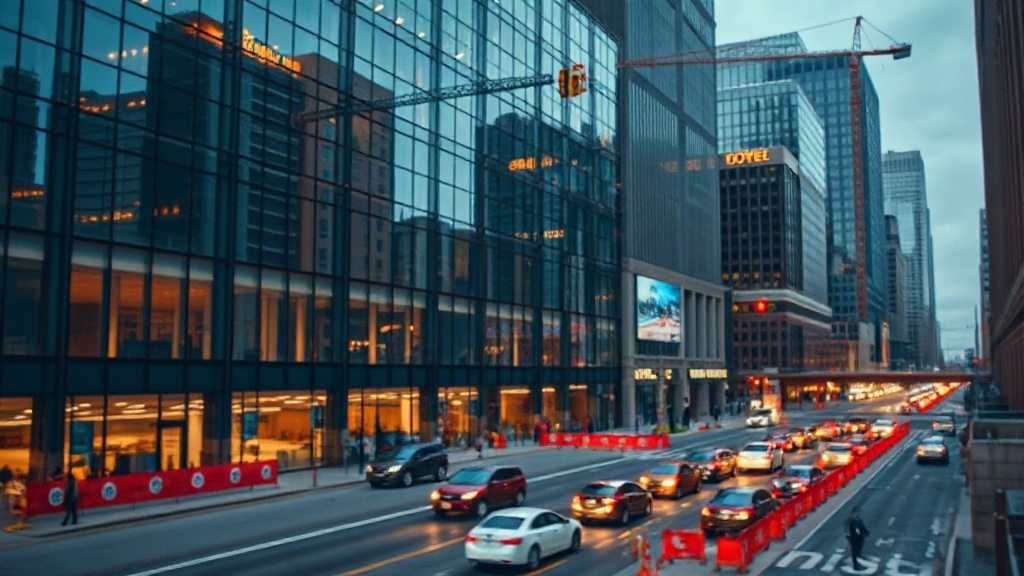
Another $11.5 billion is earmarked for the Dallas-Fort Worth area, improving urban connectivity. Projects include I-30 and US 80 reconstructions, addressing critical congestion issues.
Emphasizing sustainable transportation, the plan invests $17 billion in safety improvements and funds rural and metropolitan corridor enhancements.
Texas A&M’s analysis predicts a multiplier effect, with $18.8 billion in annual economic benefits and the creation of 70,500 jobs. This positions Texas as a strategic economic hub. The proposed 2024 Unified Transportation Program (UTP) exceeds 2023 UTP by $15 billion, showcasing the continued commitment to expanding transportation infrastructure and enhancing safety across the state.


Healthcare and Innovation Hub
Dallas is emerging as a pivotal center for healthcare innovation and research. It has been selected as one of three national hubs for the Advanced Research Projects Agency for Health (ARPA-H).
With the federal initiative’s $2.5 billion budget, Dallas is set to lead in accessible health solutions. This initiative will be housed at Pegasus Park, a 23-acre biotech development within the Dallas Innovation District.
This location hosts Bridge Labs, BioLabs, and the ARPA-H consortium. These centers are designed to propel medical research breakthroughs targeting prevalent diseases like cancer and Alzheimer’s.
The hub, known as the Customer Experience Hub, will engage a nationwide network. This aims to connect diverse patient populations and stakeholders, enhancing medical research diversity.
Collaborations between government, private entities, and entrepreneurs will be key. These partnerships are set to fortify Dallas’s growing stature in the global life sciences arena.
Assessment
The Dallas $10 billion mega project is a transformative endeavor. It envisions a nuanced urban epicenter within the heart of an existing metropolis.
Its ambitious scale promises significant urban evolution. The project advances infrastructure, transportation, and healthcare.
An innovation hub is also interconnected. Anticipation builds as stakeholders await its impacts on economic growth and city dynamics.
The confluence of development scope and strategic foresight underscores a seismic shift in urban planning. These pivotal changes are poised to redefine Dallas’s future environment.