

What Is Happening With Temple-Area Foreclosures?
Foreclosures are beginning to surface across Temple-area student housing, as court filings expose distress in a cluster of questionable property deals.
Recent filings in Philadelphia’s Court of Common Pleas involve buildings on the 1800 block of North 18th Street, Willington Street, and North Park Avenue. These properties include at least 11 apartments and 33 bedrooms. Similar patterns in Baltimore, where the FBI is investigating more than 700 inflated sales, have deepened concerns that the Temple-area cases may reflect a broader regional problem. Nationwide, foreclosure actions have risen sharply, underscoring how broader market stress can worsen local property disputes.
Tenants Caught in the Middle
The cases are tied to roughly $45 million in transactions near Temple campus.
Buyers in dozens of rental buildings allegedly stopped making mortgage payments, and mounting filings now mark the clearest signs of trouble.
Students and other renters have received pre-foreclosure warnings, while some notices concern buildings already foreclosed.
That has intensified concerns about lease stability, property neglect, tenant protections, and possible legal recourse for residents facing lockouts or displacement.


How Were Temple-Area Property Prices Inflated?
Soaring sale prices in Temple-area student housing appeared to break sharply from both local market conditions and broader Philadelphia trends.
Rowhomes listed below market sat for months, even as citywide values rose modestly. Yet some Temple properties suddenly sold for nearly double asking, including a Gratz Street house that moved from a $475,000 listing to about $875,000.
Patterns centered on repeat buyers tied to agent Pat Fay. His clients reportedly paid 99% above original listings across dozens of deals, suggesting possible market manipulation and buyer collusion.
Why the Pattern Felt Disturbing
Unsold homes became shockingly expensive almost overnight. Clustered deals made whole blocks look artificially hotter.
Higher comparable sales threatened steeper assessments and tax bills. Ordinary market signals appeared drowned out by extreme pricing.
Temple Campus median sale prices then surged 976.5% year over year. Such distortions underscore why investors and homeowners are urged to review public records and understand protections like the Home Equity Theft Protection Act when irregular transactions emerge.
Why Do These Deals Raise Mortgage Fraud Concerns?
These transactions raise mortgage fraud concerns because sharp price jumps, repeat-buyer clustering, and questionable occupancy claims can be used to secure loans on distorted terms.
Lenders partly price mortgages based on who will live in a property. When borrowers claim owner-occupancy but actually act as investors, they may obtain lower-risk loan terms they would not otherwise receive.
Research found this kind of misrepresentation persisted well beyond the housing bubble.
Deeper Warning Signs
The facts also match patterns seen in foreclosure rescue scams and straw sales. A distressed owner can be pressured to transfer title to a straw buyer under a promised buyback, while fees strip away remaining equity.
If payments stop, foreclosure can follow despite the original owner’s expectations.
Related concerns include deed theft and mortgages signed without the true owner’s consent. These acts can cloud title and hide who actually controls the property.
Who Is Being Hurt by the Foreclosures?
Temple-area renters appear to be among the first and most immediate casualties.
Foreclosure actions are already tied to buildings on the 1800 block of North 18th Street, Willington Street, and North Park Avenue.
Initial filings point to at least 11 apartments and 33 bedrooms.
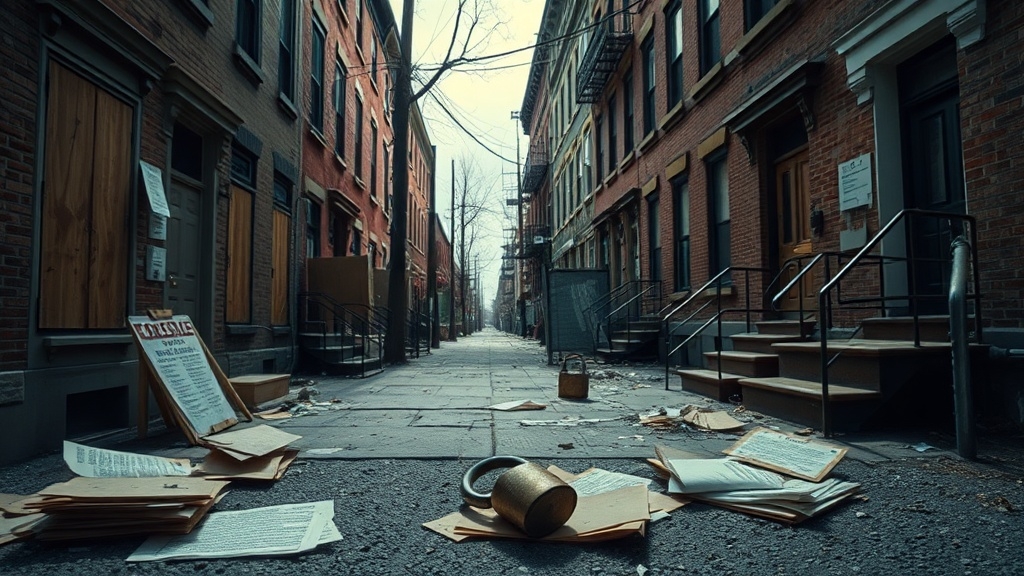
Residents report pre-foreclosure warnings, foreclosure notices, and anxiety over lockouts during daily errands.
Some affected buildings have also seen intermittent heat and electricity loss.
Hardship Falls Unevenly
The burden often lands hardest on low-income renters and minority families in Philadelphia.
Many households already live near or below poverty, often with children and chronic illness.
Nationally, tenants with valid leases can still face utility shutoffs, eviction notices, and abandoned properties when landlords default.
- Fear follows every trip outside.
- Darkness and cold enter occupied homes.
- Paid rent does not guarantee stability.
- Children absorb the stress too.
What Happens Next for Renters, Sellers, and Lenders?
After the immediate shock of notices and service disruptions, the next phase follows a rigid legal and financial path for renters, sellers, and lenders.
For renters, federal and local protections shape the outcome. Bona fide tenants generally remain through a lease term, while most occupants receive 90 days’ notice after a sheriff sale.
Section 8 protections may continue, and tax foreclosure tenants can remain up to nine months. Key renters’ remedies include producing leases, rent receipts, and contesting ejectment.
Pressure on Sellers and Lenders
Sellers face narrowing options. They may cure arrears, seek modification, refinance, file bankruptcy, rent rooms, or pursue counseling and assistance.
For lenders, timelines move from notice and judgment to sheriff sale. From there, the process may continue with rent collection, cash-for-keys offers, ejectment filings, and finally sheriff-enforced possession.
Assessment
The Temple-area foreclosure wave reflects a destabilized market shaped by inflated appraisals, fast-rising resale prices, and mounting legal scrutiny.
Renters face displacement risks, former owners face financial fallout, and lenders face losses tied to questionable underwriting and deal structures.
As cases move through courts and investigators review transaction patterns, the fallout is likely to extend beyond individual properties.
The damage now reaches neighborhoods, credit systems, and confidence in Philadelphia’s already fragile housing market.