
Why Is Raleigh Growth Accelerating Now?
Raleigh’s expansion is accelerating on top of a long-built economic base rather than a short-lived surge.
The region’s 65-year institutional foundation, anchored by Research Triangle Park since 1959, has helped it weather multiple market cycles. RTP now spans roughly 7,000 acres and supports more than 55,000 jobs across 300-plus companies, reinforcing that institutional foundation.
Local universities contribute about $3 billion in annual research spending and produce thousands of highly credentialed graduates each year. Similar to markets where economic growth continues attracting investor interest despite challenges, this research engine strengthens Raleigh’s long-term appeal.
That steady talent influx gives employers confidence to invest locally.
Forces Behind the Current Surge
Economic diversification is also sharpening the pace.
Technology, startups, research, and major corporate commitments from firms such as Apple and Google have broadened the job base.
High starting salaries and entry-level openings support retention.
Population momentum reinforces that strength.
The metro gained more than 260,000 residents in the past decade and recorded 39,000 net migrants recently.
Quality-of-life rankings and relatively lower costs continue attracting households.
How Is Downtown Raleigh Changing?
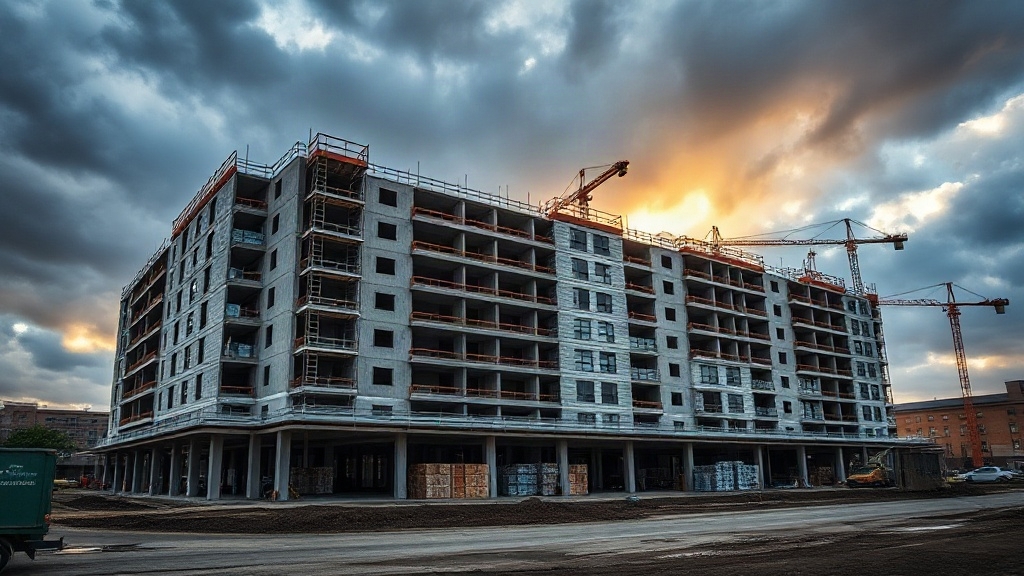
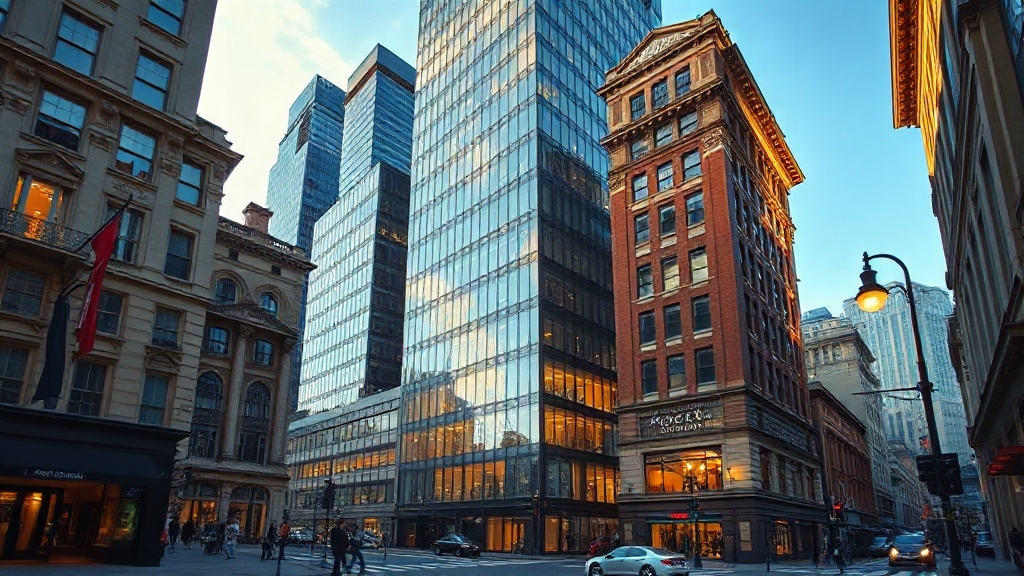
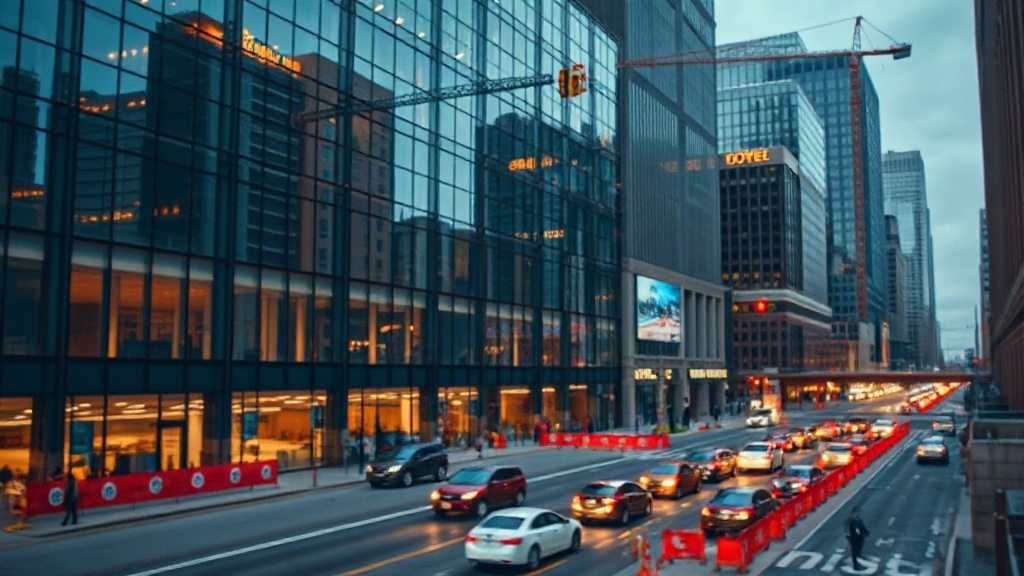
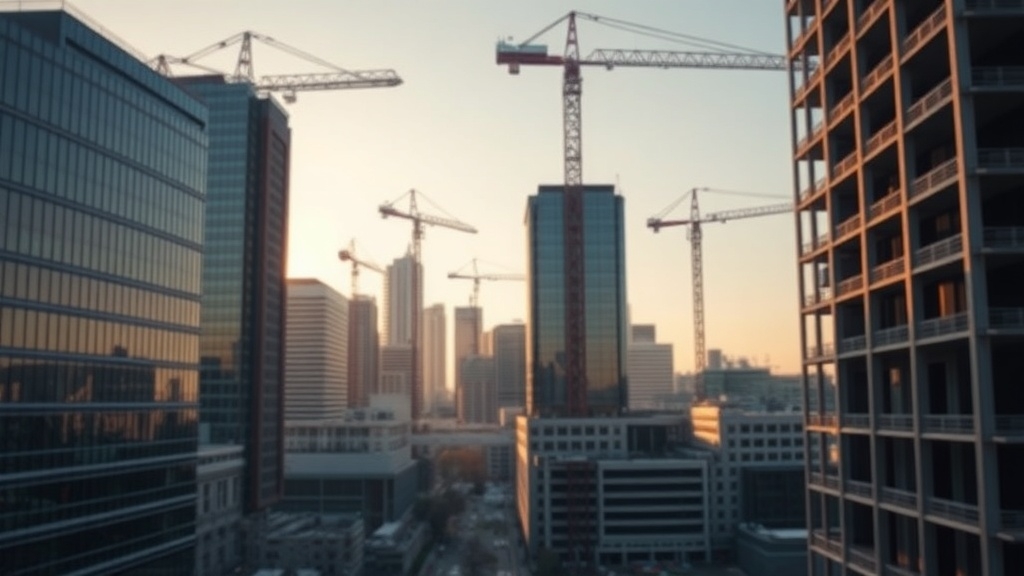
Cranes, street closures, and major public works are transforming downtown Raleigh into a denser, more vertical, and more entertainment-focused core.
The Convention Center is expanding to 798,100 square feet. The redesigned Red Hat Amphitheater is set to reopen in 2027 with space for 6,500 concertgoers.
East Civic Tower, a 17-story City Hall, is nearing major completion in 2026. The NC Museum of History will remain under renovation until 2028.
Like Manchester-Nashua, strong regional growth can be reinforced by cultural hubs that attract residents, visitors, and businesses.

Skyline and Street-Level Shift
New towers are reshaping Glenwood South and the Warehouse District. Projects include the 37-story Creamery and the 20-story One Nash Square.
Historic preservation is still part of the transformation. The Depot Historic District will retain a 1912 building while adding hotel rooms, retail, plazas, and better transit access.
Pedestrian connections are also improving near major venues.
Where Is Raleigh Housing Growing Fastest?
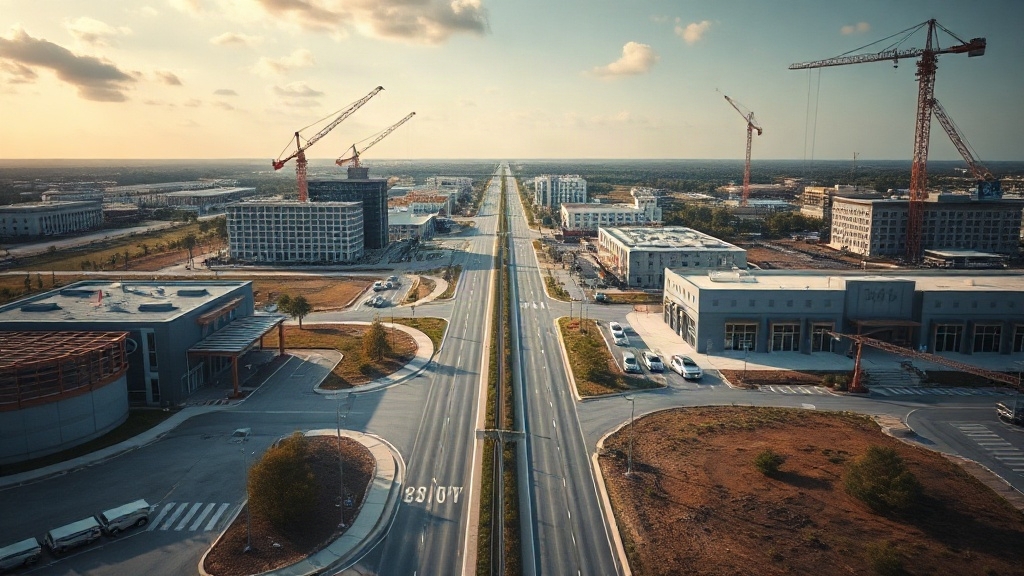
Buyer demand is spreading fastest across East and Southeast Raleigh, Wendell, Apex, Garner, Clayton, and several southern Wake County suburbs. Proximity, affordability, and major infrastructure investment are reshaping the region’s housing map.
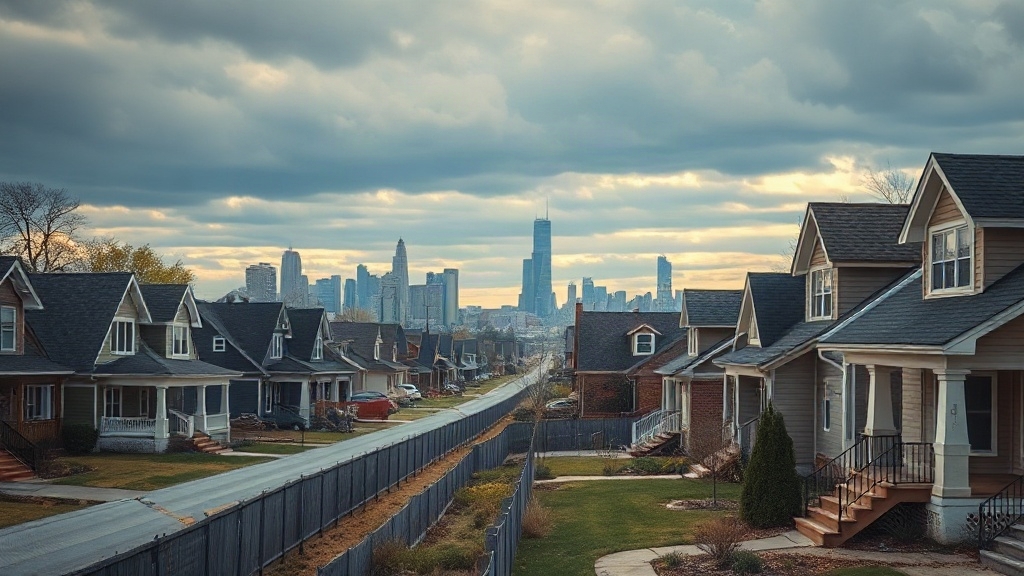
In East Raleigh, infill housing, greenway expansion, and public upgrades are changing neighborhood perception. Analysts say block-by-block variation now matters more than broad ZIP code trends.
First-time buyers and investors are targeting selective streets rather than entire areas.
Outer Markets Accelerate
Wendell stands out with population growth of 73 percent since 2020. Wendell Falls, about 15 minutes from downtown, has more than 3,200 homes and is projected to exceed 4,000 by 2025.
The community’s growth is supported by trails, parks, schools, and retail.
Apex, Garner, Clayton, Holly Springs, Fuquay-Varina, and Rolesville continue attracting buyers. Competitive pricing, family amenities, and better access to jobs and transportation are driving demand.
Which Raleigh Projects Will Shape 2035?
Reshaping the region by 2035, several large-scale projects are set to redirect where people live, work, and move across the Triangle.
Hub RTP stands out with a $1.5 billion remake of 100 acres into Research Triangle Park’s first downtown district. Plans include up to 1 million square feet of office and lab space, plus 1,200 homes.
Growth Corridors Under Pressure
Downtown South adds a $2.2 billion mixed-use district on 140 acres near South Saunders Street and I-40. Its stadium, towers, hotels, and green space aim to redefine the southern gateway through urban placemaking.
Complete 540 expands regional access as growth pushes outward. At the same time, transit-oriented development zones around commuter rail transit nodes support denser, greener links between Raleigh, Cary, and Durham.
What Does Raleigh Growth Mean for Buyers and Investors?
Against a backdrop of rapid population growth and tight housing supply, Raleigh remains a competitive market for both buyers and investors. Entry costs are rising, but demand fundamentals continue to support long-term interest.
Population is projected to reach 1.77 million by 2030. Meeting that demand may require 7,600 to 8,600 additional homes, helping sustain pricing power.
Median single-family home prices are around $465,900, while vacancy rates remain low. Competition is especially strong near Research Triangle Park and major universities.
| Factor | Market signal |
|---|---|
| Population growth | Sustained housing demand |
| Tech employment | Stable renter pipeline |
| ADU zoning | New income flexibility |
| Rising prices | Higher acquisition risk |
For investors, average rents near $2,108, tax incentives, and ADU flexibility can support returns. Build-to-rent and single-family rental properties remain popular strategies.
Buyers may still find relative value compared with more expensive tech hubs. However, gentrification and rapid appreciation can quickly affect affordability and narrow location options.
Assessment
Raleigh’s development surge is rapidly reshaping downtown, housing patterns, and long-term investment dynamics.
New towers, transit-linked projects, and expanding residential zones are increasing pressure on land, pricing, and infrastructure.
By 2035, the city’s trajectory will likely depend on how well it balances density, affordability, and public capacity.
For buyers and investors, the market now reflects both greater opportunity and rising risk as growth outpaces many legacy planning systems.