

Is Rock Hill’s Housing Market Slowing Down?
Increasingly, the evidence suggests Rock Hill’s housing market is losing speed rather than collapsing.
Recent data shows a market shifting into a more balanced phase.
Homes are taking longer to sell, with Redfin reporting 122 days on market versus 66 a year earlier.
Houzeo also shows homes moving in about 65 days, slightly slower than the prior year.
Supply Rises, Demand Cools
Inventory growth is another clear signal.
Realtor.com reports 607 homes for sale, while listing activity is up 25.76% year-over-year.
A 4.8-month supply suggests buyers now have more options and less urgency.
That kind of supply level contrasts with Columbus, where 1.8-month supply still signals a much tighter market despite rising inventory.
The sale-to-list ratio of 97.36% points to weaker seller leverage across the market.
Sales activity also looks softer.
Redfin reports 82 homes sold in March, down from 101 a year earlier.
With buyer hesitation and financing challenges, demand remains present but no longer overheated.
Why Rock Hill Home Prices Keep Rising
Even as Rock Hill’s housing market cools from its earlier frenzy, home prices continue to climb.
Demand remains firm because Rock Hill benefits from commuter preference within the Charlotte orbit. Buyers seeking lower costs than many Charlotte neighborhoods continue to look south, keeping pressure on local values.
New residents and relocating households have helped demand stay resilient despite a cooler national backdrop.
Tight Supply Sustains Pressure
Inventory is still limited relative to demand. Reports have shown 607 homes for sale at one point, while August 2024 data showed only 292 active listings.
That imbalance supports seller leverage and steady competition.
Unlike tighter markets, Houston now has 5.4 months of inventory, a sign that buyers there are gaining leverage as listings linger.
Price Gains Reflect Strong Support
Recent data shows continuing appreciation, with median sale prices ranging from $315,000 to $360,000 across reports.
Regional growth, rental demand, and investor confidence continue reinforcing price support.


Why Rock Hill Homes Take Longer to Sell
Across Rock Hill, homes are taking longer to sell as inventory expands, buyer urgency softens, and pricing discipline becomes more important.
Redfin puts average market time near 122 days in March 2026, versus 66 a year earlier.
Realtor.com also shows days on market rising, alongside 607 listings and inventory up 25.76 percent year over year.
Pressure Points
More supply and fewer completed sales give buyers greater leverage and reduce competitive pressure.
Redfin reported 82 homes sold in March 2026, down from 101 a year earlier, pointing to slower turnover.
That shift raises the importance of accurate pricing strategy.
Homes listed above market expectations often sit longer.
Preparation Matters
Condition also affects speed.
Minor repairs, fresh paint, and curb appeal influence early interest.
Staging impact can strengthen both online presentation and showing response.
Inspection, title, and financing issues can further delay closings.
How Old Town Events Affect Housing Demand
During major Old Town event periods, housing demand can rise quickly near walkable entertainment blocks, transit-linked areas, and downtown-adjacent rentals.
Event crowds often push interest toward furnished units, premium apartments, and short stay rentals closest to venues, nightlife, and convenient parking.
These surges are usually brief. They tend to appear first in occupancy, nightly pricing, and limited availability rather than in lasting price changes.
Street-Level Signals
- Bright marquees, full patios, and packed sidewalks after dusk
- Reserved signs filling hotel desks and lobby queues
- Furnished lofts advertised steps from music and dining
- Rideshare headlights circling busy corners near event blocks
- Leasing agents fielding eleventh-hour calls for flexible stays
Long-term supply can feel tighter when visitor demand overlaps with resident needs, especially in downtown-heavy areas where convenience and experience command the strongest response.
What Could Change Rock Hill Home Demand Next
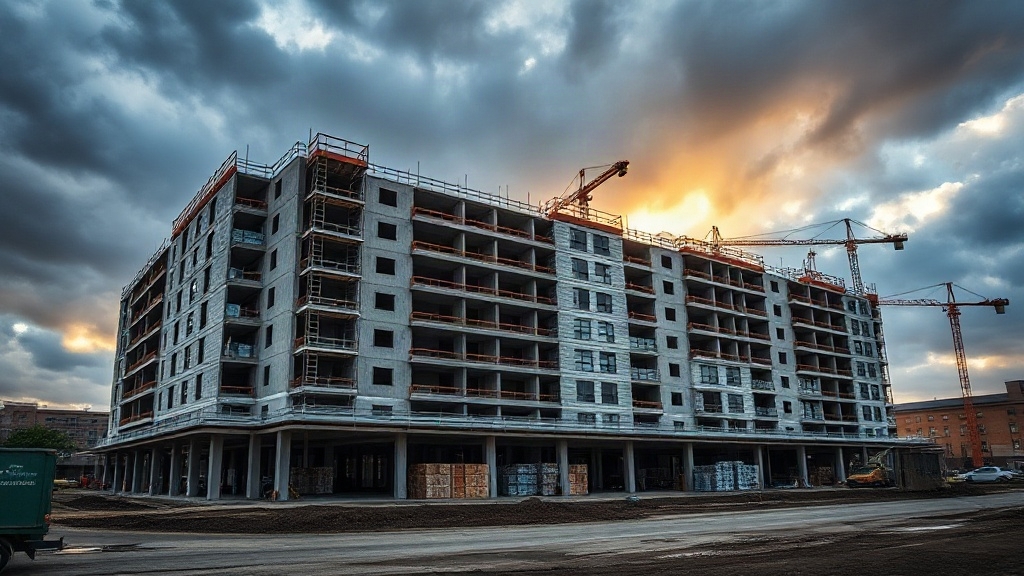
In the months ahead, Rock Hill home demand is likely to be shaped by a tightening mix of regional spillover, new construction timing, and local affordability pressure.
Charlotte growth still pushes households outward, and Rock Hill remains attractive because lower prices offer access to major job centers through existing transportation links and possible transportation improvements.
Supply, Prices, and Access
That demand could shift if large projects add hundreds of apartments, townhomes, and single-family homes fast enough to ease competition.
If approvals slow or absorption stays strong, pricing pressure may persist as move-in-ready homes in desirable areas continue drawing faster sales.
Employment shifts could also alter buyer confidence.
Rock Hill still posts a $360,000 median sale price and rising listings, while rents at $1,399 and changing rental supply may influence whether households keep renting or move toward ownership.
Assessment
Rock Hill’s housing market remains firm, but the signals are mixed.
Prices continue to rise while sales take longer, showing resilience under pressure rather than collapse.
Old Town activity still supports visibility and buyer interest, yet broader economic shifts could quickly alter demand.
For now, the market appears stable but increasingly sensitive.
The next phase will likely depend on borrowing costs, local inventory levels, and whether buyer confidence weakens or holds through continued uncertainty.