
Why Second Avenue Retail Is Booming
At the core of Second Avenue’s retail surge is the combined impact of the Q subway line and a rezoning wave that accelerated residential construction across the Upper East Side.
The 2017 arrival of Q stations at 72nd, 86th, and 96th Streets restored the avenue as a primary transit corridor and intensified foot traffic patterns.
That accessibility, paired with transit induced gentrification, gave retailers greater confidence in sustained demand. Similar to markets where strategic locations near major corridors enhance property appeal, Second Avenue’s transit access strengthened leasing confidence.
Between East 71st and East 86th streets alone, at least seven major projects helped reshape the corridor’s customer base.
Design Decisions Reshaping Storefront Survival
Developers also treated retail design as infrastructure, not an afterthought.
New storefronts emphasized wide sidewalk exposure instead of narrow, deep layouts that often sit vacant elsewhere.
These sidewalk activation strategies supported multiple food-and-beverage tenants, outdoor seating, and stronger street visibility.
As a result, brands such as Pura Vida, Tatte, Salt & Straw, and La Pecora Bianca viewed Second Avenue as functional, active, and investable.
How New Apartments Changed Second Avenue
New apartment construction turned Second Avenue’s retail recovery into a broader neighborhood shift.
Rezoning and the 2017 Q line accelerated transit-oriented development between East 71st and East 86th streets.
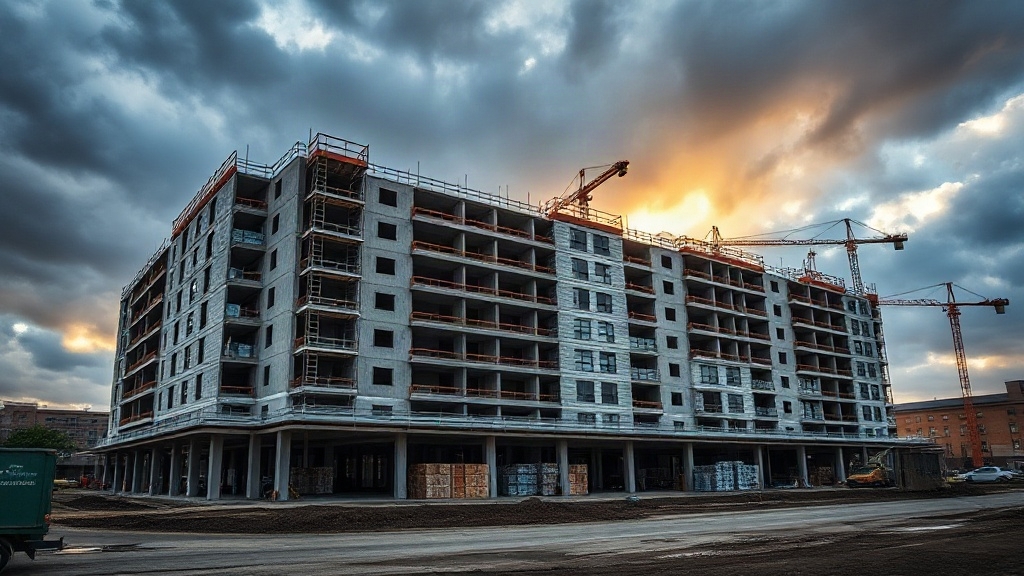
More than seven major projects replaced older tenements with rentals and luxury condominiums.
This added density and pushed values higher.
| Driver | Change | Effect |
|---|---|---|
| Rezoning | Larger sites assembled | More towers |
| Q subway | Better access | More demand |
| New design | Façade activation | Higher visibility |
| Added units | More residents | Stronger spending |
Ground floors changed too.
New towers introduced wider, sidewalk-facing retail instead of narrow, deep spaces. That improved visibility, access, and dining spillover.
A 21-story tower at East 72nd Street added 54 units and 5,694 square feet of retail.
It directly linked housing growth to rising commercial demand.


Why New Storefronts Lease Up Faster
Leasing momentum has strengthened because modern storefronts align more closely with current tenant requirements.
New spaces typically offer efficient layouts, updated systems, and cleaner frontage, reducing build-out time and upfront expense.
That practical advantage supports faster commitments in a market where Manhattan retail leasing accelerates and small storefronts lease quickly.
Visibility and Street-Level Risk
Improved design also helps merchants capture foot traffic more effectively from the moment doors open.
Clear sightlines, brighter interiors, and adaptable selling areas make new locations easier to market within evolving neighborhood branding.
For owners, these features narrow downtime by appealing to a broader range of users without major reconfiguration.
That flexibility matters on Second Avenue, where leasing velocity reflects demand for space that can open sooner and operate with fewer early-stage complications overall. Broader property trends, including San Francisco’s record sale of 2930 Broadway for $42 million, also reinforce confidence in premium real estate performance.
Which Tenants Drive Second Avenue Retail
Tenant demand on Second Avenue is being led by food-and-beverage operators, fitness and wellness brands, and apparel retailers. These groups are targeting modern storefronts that can open quickly and capture steady neighborhood traffic.
Food operators account for most leasing activity, leading comparable periods with 20 deals and about 96,800 square feet leased. Breakfast, lunch, and dinner concepts benefit from strong sidewalk exposure.
Casual dining and quick-service users also favor open storefront layouts.
Rising Pressure From Wellness and Fashion
Fitness studios, gyms, yoga operators, and wellness brands are expanding in residential stretches. Many are choosing ground-floor space for accessibility and daily visibility.
Apparel ranks second, posting 11 deals and 60,600 square feet leased. International luxury labels and local fashion entrants are pursuing larger storefronts.
New-to-market concepts are also adding notable leasing volume across food, fitness, and apparel.
What Happens Next for Second Avenue Retail
Accelerating retail density appears likely along Second Avenue as seven major residential projects between East 71st and East 86th Streets add fresh demand for storefront space.
Recent towers are pairing apartments with wider, more visible retail bays, improving conditions for food, service, and luxury operators. That format supports residents in new rentals and condominiums while reshaping the avenue’s competitive mix.
Survival Depends on Support
Near-term disruption still threatens smaller tenants, making construction mitigation central to what happens next.
Proposals include emergency grants, low-cost loans, lease renegotiation help, tax abatements, and temporary sales tax relief for corridor businesses.
Vacancies Become New Inventory
Growth also appears tied to historic conversions and reuse of vacant properties.
Five-story tenements, former loft buildings, and acquired value-store sites are being repositioned for condominiums with street-level retail.
Assessment
Second Avenue’s retail surge reflects a sharp neighborhood reset driven by housing growth, stronger foot traffic, and faster absorption of smaller spaces.
Landlords are benefiting from tighter availability, while tenants are moving quickly to secure visibility in a corridor with rising daily demand.
If current leasing velocity holds, Second Avenue is likely to see firmer rents, fewer vacancies, and a more competitive tenant mix.
That would increase pressure on remaining available storefronts in the near term.